Putin’s Approval Rating Hits Record Low: Does He Still Have Room to Escalate?.

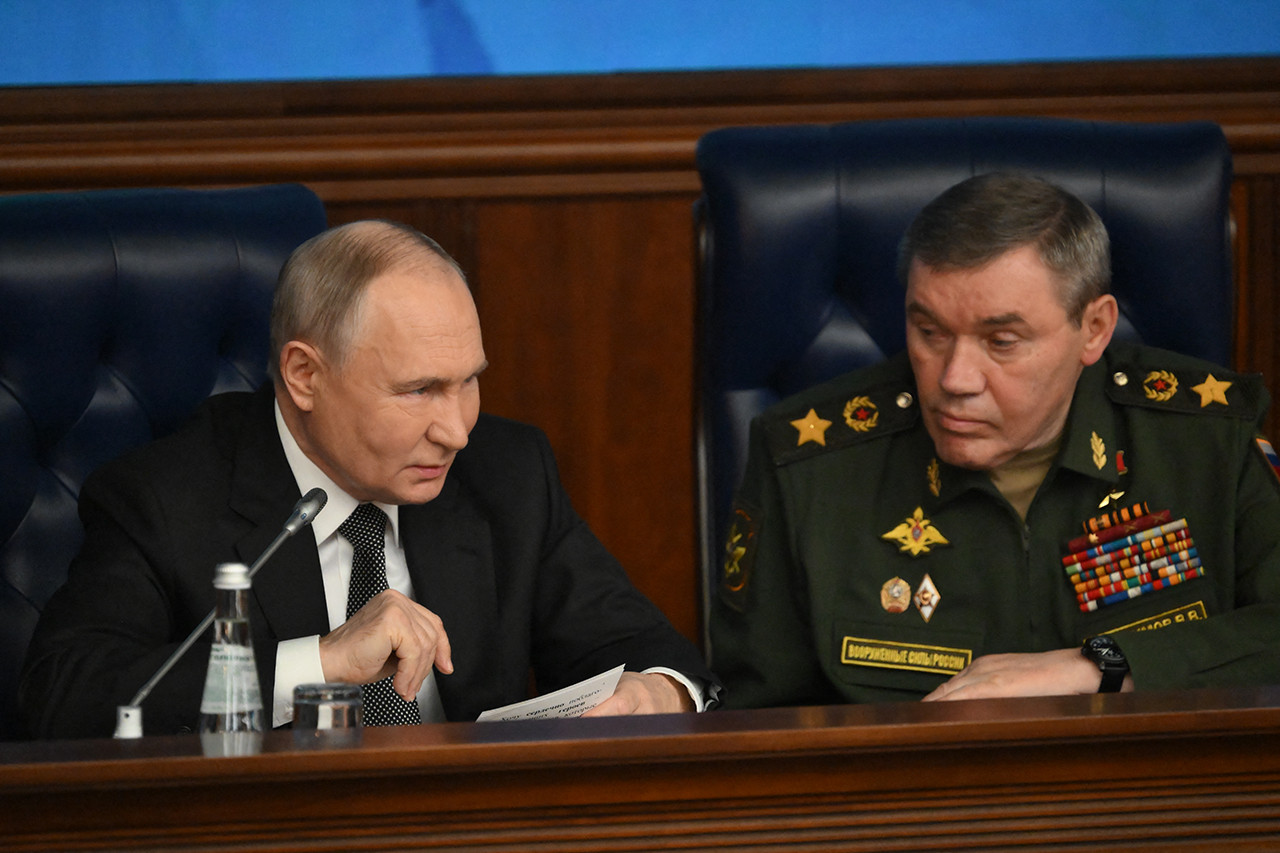
Vladimir Putin’s Position Amid the War in Ukraine
According to Espreso.tv: Vladimir Putin’s standing is becoming increasingly precarious as the conflict in Ukraine continues. Recent data shows his approval rating has dropped to 66%—the steepest decline since the full-scale invasion began. This shift in public opinion may signal a reduced capacity for the Kremlin to escalate the war, and it could also influence how Western allies respond.
Matthew Bryza, a former director for Europe and Eurasia at the U.S. National Security Council, noted that Russia has historically relied on intimidation tactics to achieve its goals.
“Russia has always believed that the best tactic is to intimidate the other side,” Bryza emphasized.However, he argued that Putin currently lacks the genuine room to follow through on the threats he keeps making. Escalation appears increasingly less viable, as the expert stated,
“there is less and less sense in such escalation.”
Shifts on the Battlefield and Growing Domestic Pressure
Bryza also highlighted that the dynamics on the battlefield are tilting in Ukraine’s favor:
“We are seeing that the balance of power is increasingly working in Ukraine’s favor.”This suggests that Ukrainian efforts to counter Russian aggression are becoming more effective. Meanwhile, according to Bryza, Putin is “primarily trying to save face right now,” indicating his desire to maintain a leader’s image amid mounting pressure both from within Russia and from the international community.
These developments point to a worsening situation for the Kremlin, which could have serious implications for the future trajectory of the conflict in Ukraine.
The decline in Putin’s approval rating indicates that domestic socio-political conditions in Russia may be shifting, which could in turn affect the Kremlin’s strategy in Ukraine. If pressure on the president continues to grow, it might lead to changes in how the war is conducted—potentially producing both positive and negative outcomes for the conflict’s evolution. Monitoring these changes is crucial, as they could shape not only Ukraine’s future but also the broader regional landscape.
Read also
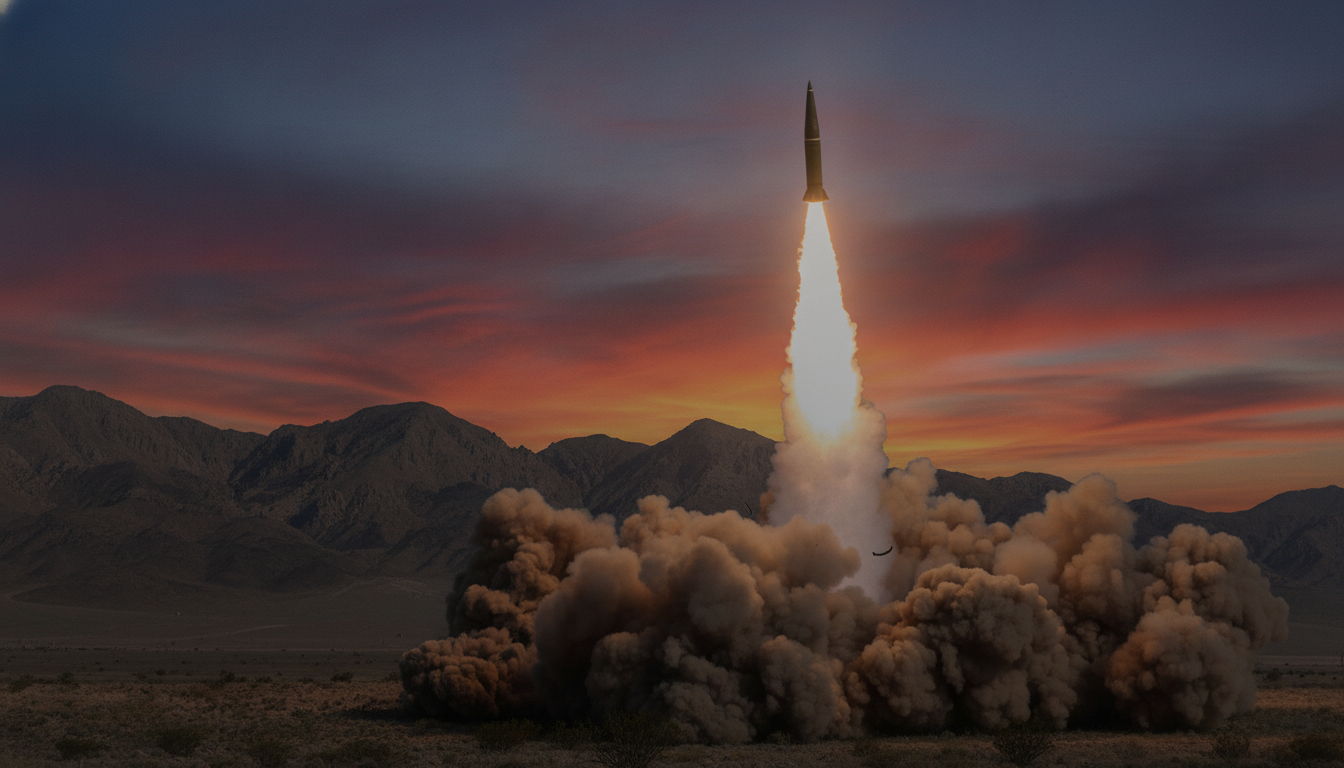
- Despite Sanctions, Russia Produces New Missiles Using Fresh Electronics from the U.S. and China
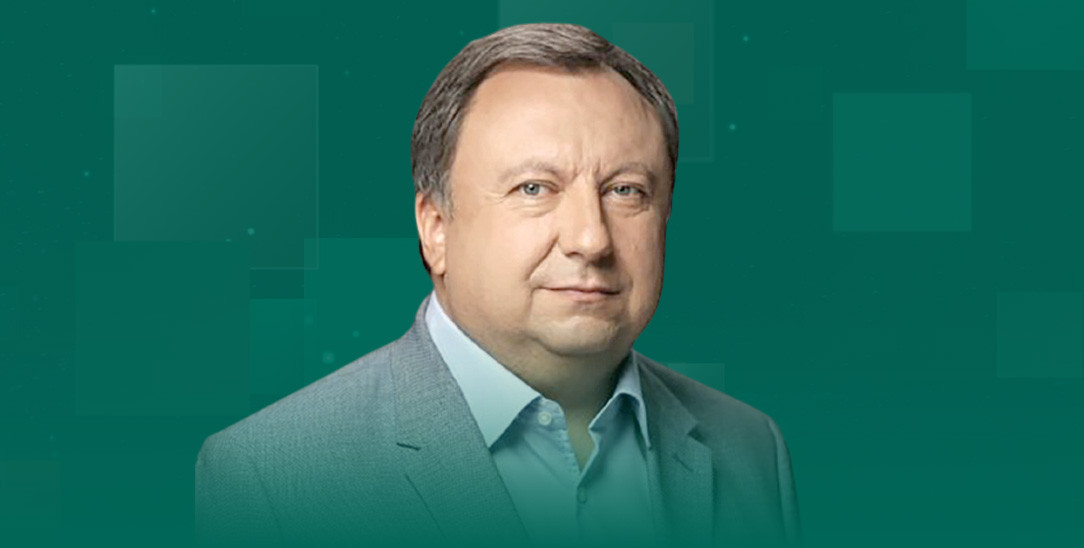
- Why the Dismissal of Fedorov Is Eroding Public Trust in the Government
- Russia Summoned in Paris: France Condemns Cyber Attacks Linked to FSB Unit
- Latvia Bans Two Ukrainian Actors for Pro-Russia Propaganda: They Are Now Persona Non Grata
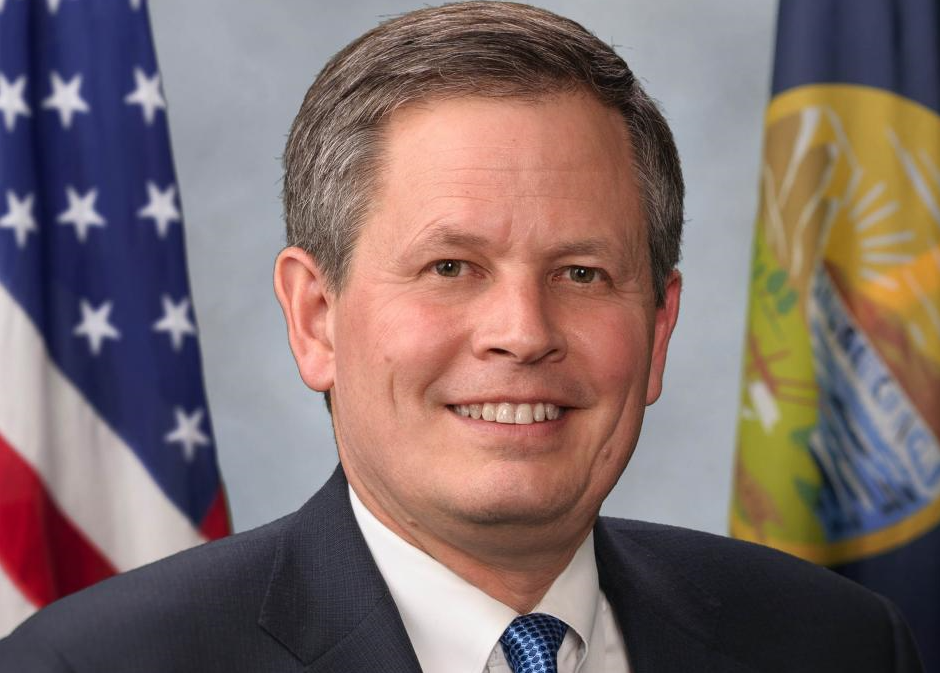
- New Anti-Russia Sanctions Advance in U.S. Congress: Inside the Daines Amendment
- Polish Support for Arming Ukraine Plunges, New Survey Reveals