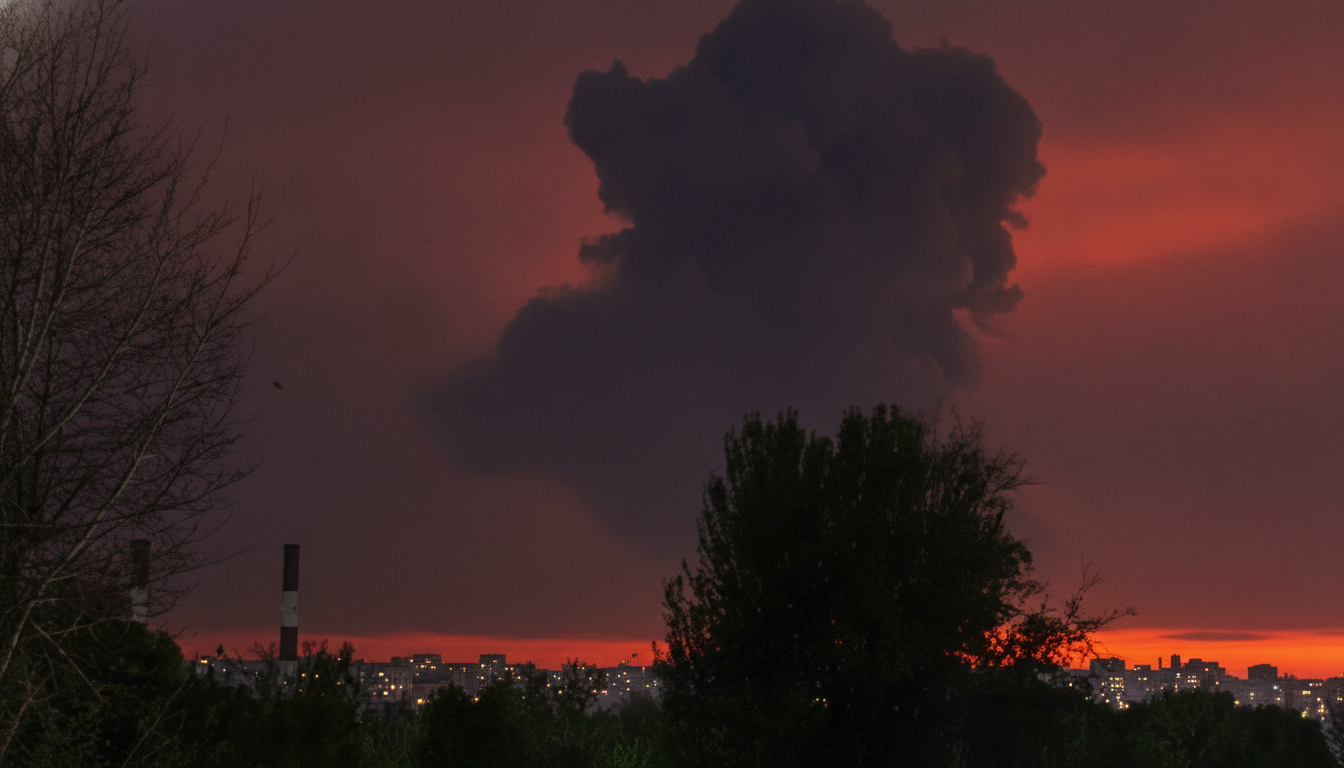
Russian Attacks on Ukrainian Nuclear Plants Heighten Risk of a European Nuclear Incident.

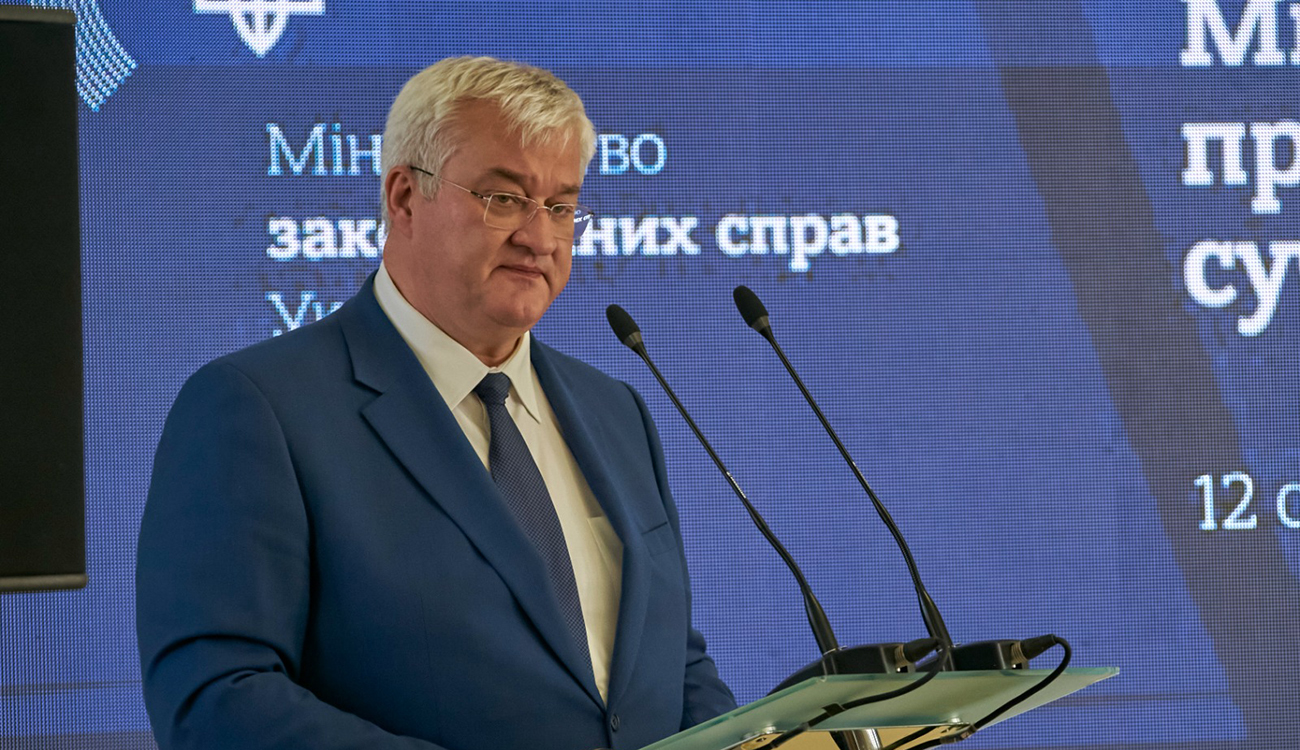
Ukrainian FM Warns of Escalating Nuclear Threat Following Russian Strikes
According to UATV: Ukrainian Foreign Minister Andrii Sybiha has warned that Russian attacks on Ukraine's nuclear energy infrastructure are creating a serious risk of a nuclear incident in Europe. He stressed the urgent need for action to prevent what he termed nuclear terrorism. According to Sybiha, recent Russian strikes on Ukraine's power grid have forced a reduction in output at three of the country's operational nuclear power plants. These attacks represent a dangerous escalation in a conflict already fraught with global security implications.
On February 7, 2023, three Ukrainian nuclear plants were compelled to lower their generating capacity due to Russian assaults. The International Atomic Energy Agency (IAEA) has documented multiple drone flights near the Rivne and Khmelnytskyi nuclear power stations. The Rivne plant is situated a mere 135 kilometers from the borders of the EU and NATO, significantly raising regional security risks.
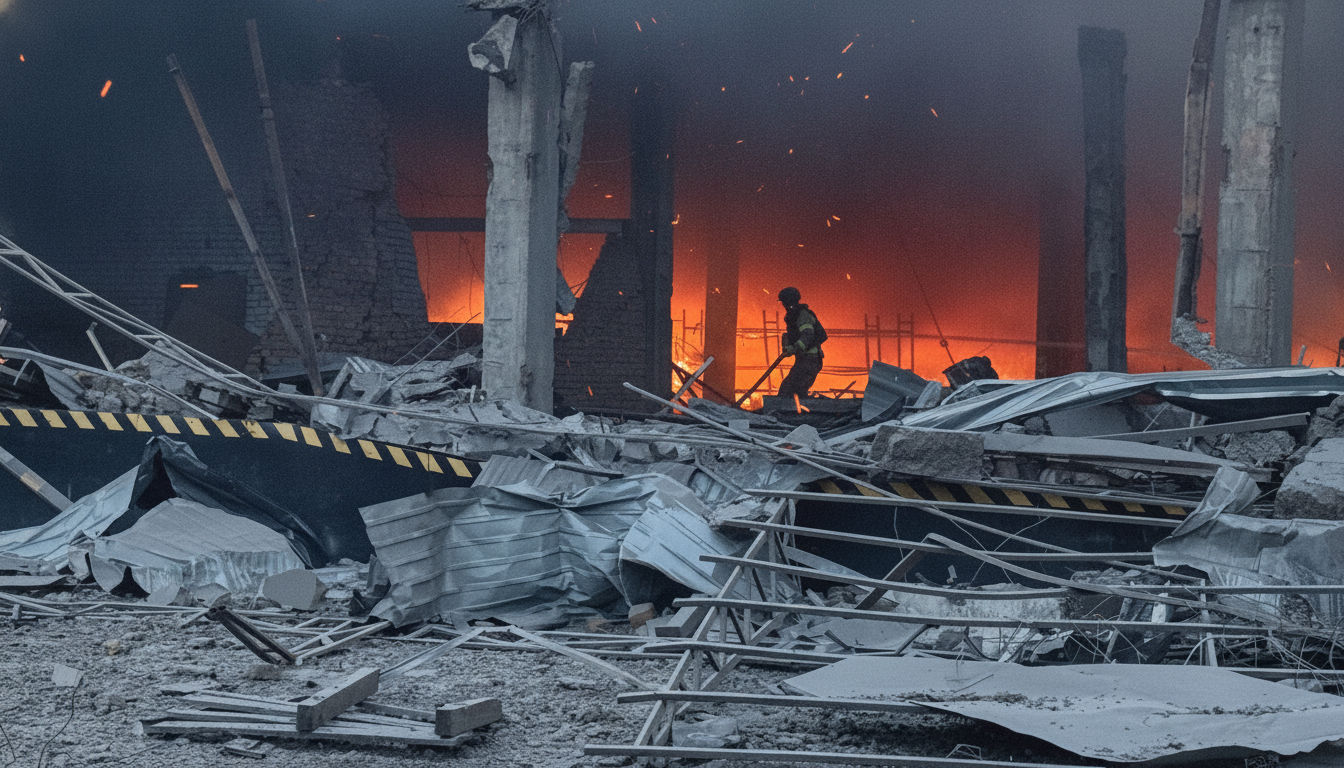
Overnight on February 7, Russia launched a massive attack targeting Ukrainian substations and high-voltage power lines. Sybiha also stated that Ukraine is prepared for decisive measures, including sanctions against Rosatom, proposals for changes to the IAEA statute, and bolstering its air defenses. These steps aim to enhance the security of Ukraine's nuclear energy system and prevent potential nuclear threats to Europe.
International Response and Security Measures
The threat to nuclear safety in Ukraine and across Europe is becoming critically urgent amid the ongoing military conflict with Russia. Attacks on nuclear facilities are causing alarm not only in Ukraine but internationally, due to the potential for catastrophic consequences that could far exceed national borders.
In response to these challenges, the international community, particularly the IAEA, must intensify efforts to monitor the situation and prevent any escalation of the conflict that could threaten regional and global security.
Read also
- Heavy Fighting in Donetsk Region: 19 Russian Assaults Recorded in a Single Day
- For the First Time, Ukraine’s Navy Granted Authority to Command NATO Mine-Countermeasure Forces
- Russia Seeks to Widen Combat Zones: Ukraine Stands Up Three New Brigades
- Russian Airstrike Hits Izium: Cargo Office of Nova Poshta Damaged by Guided Bomb
- Iran Blockades the Strait of Hormuz: Houthis Shut Down Bab el-Mandeb in 2026
- Five Fuel Trucks Destroyed in Ukrainian Strike on Russian Military Convoy in Luhansk