IPC Decision to Allow Russian and Belarusian Athletes to Compete Under National Flags Sparks Outcry.

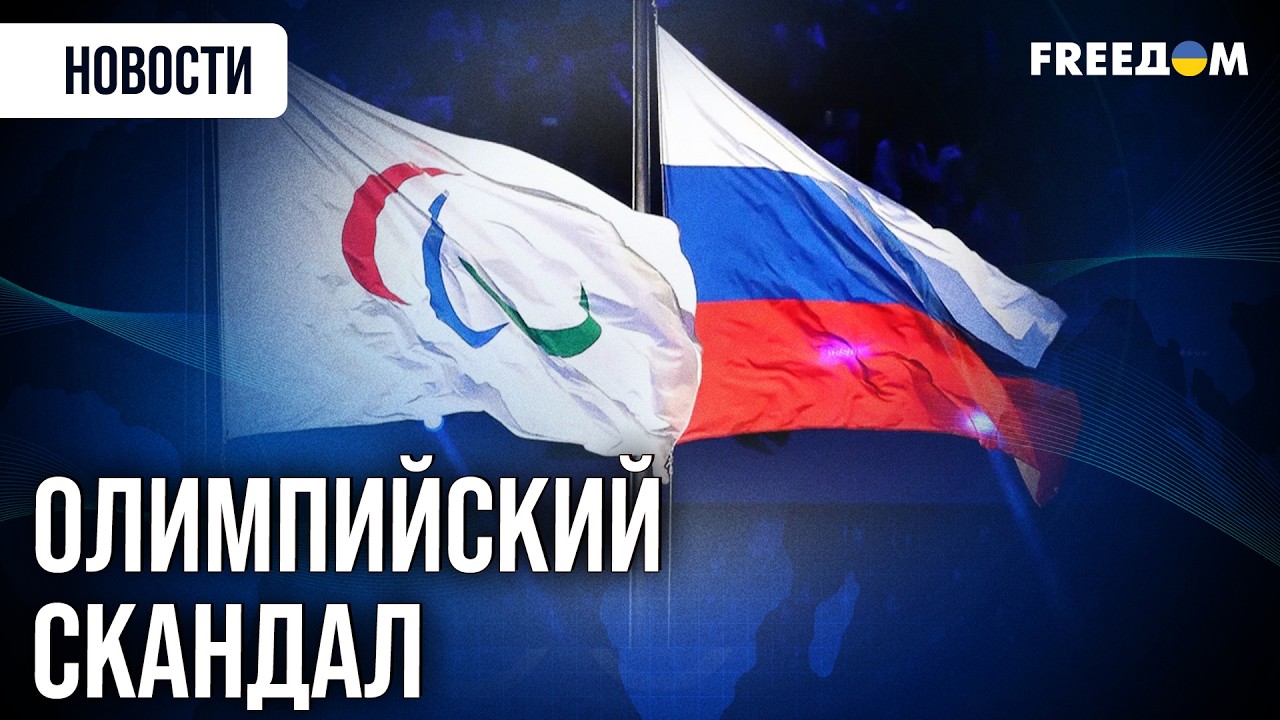
International Paralympic Committee's Controversial Ruling
According to UATV: For the first time since 2014, the International Paralympic Committee (IPC) has ruled that Russian and Belarusian athletes may participate in the Paralympic Games under their national flags. This decision, which has drawn sharp criticism from Ukraine and other nations, will be in effect for the Winter Paralympics starting on March 6, 2026. Six Russian and four Belarusian athletes have already been cleared to compete with their national symbols. This move marks a significant shift from the neutral status under which athletes from these countries were permitted to compete in 2023, a policy that was also met with controversy.
Italy, along with 33 other nations and the European Commission, has formally expressed its opposition to the IPC's new ruling. The decision highlights the ongoing struggle within global sports governance to balance athletic participation with geopolitical realities.
Condemnation from Ukrainian Officials
Ukrainian President Volodymyr Zelenskyy denounced the move, calling it 'filthy,' 'impossible to respect,' and 'horrific and unjust.'
Andriy Sybiga, a representative of the Ukrainian Paralympic team, emphasized that 'the decision to admit Russia and Belarus under national symbols ignores a simple truth: these flags and anthems represent regimes that are waging aggression.'
Pavlo Grod, head of Ukraine's Paralympic team, noted that 'a significant portion of the Ukrainian Paralympic team consists of athletes who were wounded as a result of the unprovoked war.' Glenn Mikallef also stated his position, declaring that 'as long as Russia's aggressive war against Ukraine continues, I cannot support the reinstatement of their national symbols.' The strong reaction underscores the deep personal and political wounds caused by the conflict.
Consequently, the IPC's verdict has become a focal point for intense debate and widespread condemnation from Ukraine and its allies. Many countries argue that allowing Russian and Belarusian athletes to display national symbols is unacceptable against the backdrop of ongoing military aggression. This situation may influence future decisions by other sporting bodies, as the intersection of global athletics and international politics becomes increasingly fraught. The ruling could also prompt further negotiations regarding the role of sport in international relations during times of conflict.
Read also
- Fedorov Dismissed as Defense Minister: Tensions with Syrskyi Behind the Decision
- Ukraine Overhauls Military Leadership: New Army Chief and Chief of General Staff Appointed by Zelenskyy
- European Allies Caught Off Guard by Ukraine’s Military Leadership Shake-Up
- Ukraine Ready for 'Peace with Dignity,' Zelenskyy Says: What We Know About the Talks
- U.S. Media Hails Drapatyi’s Appointment: What Ukrainian Troops Are Saying
- Ukraine’s Military Leadership Shake-Up: Drapaty Takes Over Armed Forces, Skybyuk Leads General Staff