A 20-Year Strategic Pact Between Russia and Iran: Implications for Middle East Security.

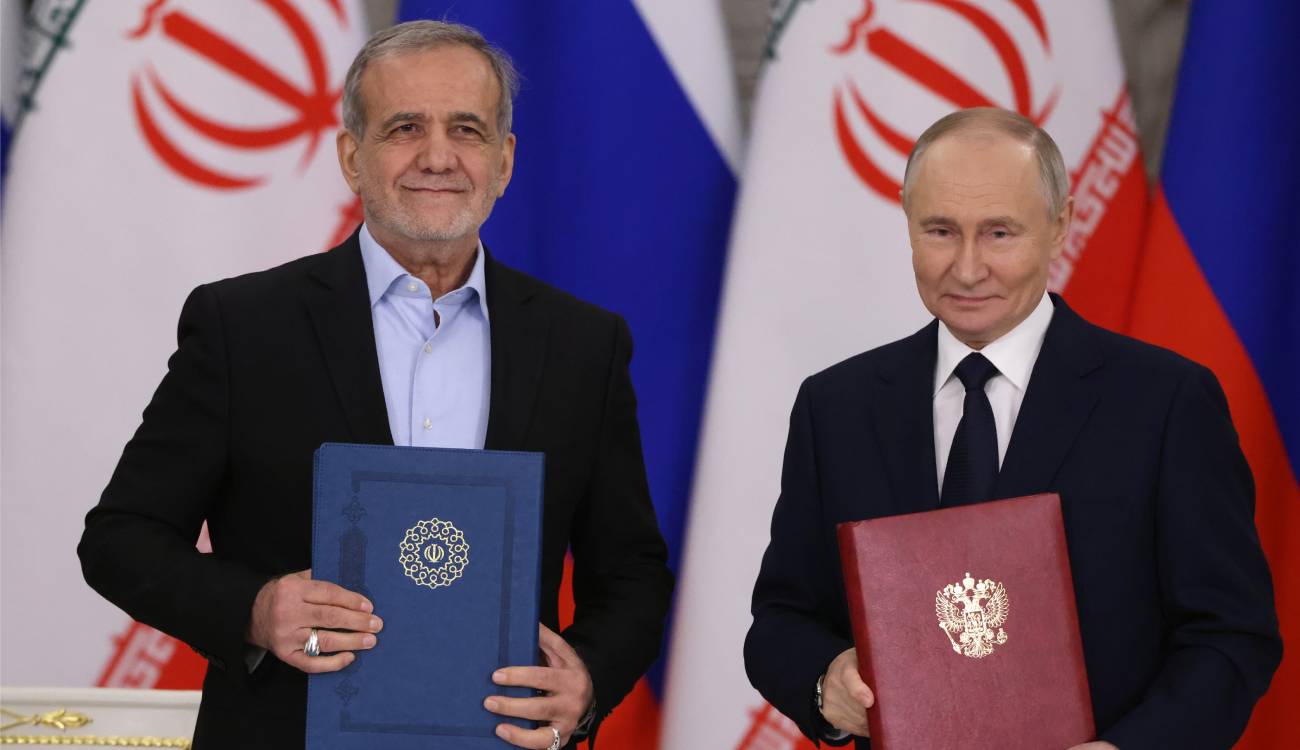
Deepening Ties Between Moscow and Tehran
According to UATV: Russia and Iran have significantly expanded their cooperation, particularly in intelligence sharing, military collaboration, and efforts to shape events in the Middle East. This follows the signing of a Comprehensive Strategic Partnership Treaty on January 17, 2025, a 20-year agreement with the potential to alter the regional balance of power and reshape both nations' military strategies. This long-term pact formalizes an alignment that has been growing for years, primarily in opposition to Western influence.
This diplomatic advancement occurs against a backdrop of heightened international tension. In 2025, U.S. and Israeli strikes on Iranian military targets prompted a sharp response from Tehran. Iranian Foreign Minister Abbas Araqchi emphasized the enduring nature of the relationship, stating,
“We have worked together in the past, this continues and will go on.” - Abbas Araqchi
His remarks underscore Iran's intent to strengthen ties with Russia despite external pressure.
In response to these developments, U.S. Secretary of Defense Pete Hagsett noted,
“Everyone has already seen that President Trump has unique relationships with many world leaders.” - Pete Hagsett
This statement indicates that Washington is closely monitoring the Russo-Iranian partnership, which could have profound consequences for regional stability.
Further solidifying the relationship, Russia formally expressed condolences in 2026 following the death of Iranian Supreme Leader Ali Khamenei. Regional tensions have also manifested logistically, with approximately one thousand ships reported stuck, likely a consequence of military conflicts disrupting key maritime waterways.
Amidst these shifts, Ukrainian President Volodymyr Zelenskyy observed that 'as of today, Russia is not presenting itself as an ally of Iran.' This comment reflects Ukraine's awareness of the changing geopolitical landscape and the potential risks posed by a stronger Moscow-Tehran axis.
International Repercussions of the Alliance
The complex web of global economic relations is also affected, as evidenced by the U.S. granting India a 30-day waiver to purchase Russian oil, highlighting the challenges of enforcing sanctions regimes. Collectively, these factors demonstrate that the Russia-Iran partnership continues to advance, navigating external pressures and diverse challenges.
The deepening of Russo-Iranian relations is poised to substantially impact the regional geopolitical order, as both nations seek to bolster their international standing. Their increasing coordination could provoke new friction with other states, including the United States and its allies. These evolving dynamics may have lasting implications for Middle Eastern stability and global security overall, potentially creating a more multipolar and contested international system.
Read also
- Zelensky’s Annual Address to Parliament: Why Putting Kyrylo Budanov in Charge Matters
- ISW Report Reveals Putin Fabricates Victories and Avoids Peace Talks
- New Wave of Russian Attacks Leaves Dead and Wounded Across Ukraine
- Estonia Justifies NATO Drone Incidents as the Price of Strikes on Russia
- Ukrainian Forces Strike Russian Refineries and Factory in Response to a Week of Intense Attacks
- A New National Pantheon for Ukraine: Zelenskyy Submits Landmark Bill to Parliament