Poland Blames Zelensky for Strained Bilateral Ties: What Sparked the Order Controversy.

MEP Piotr Müller Weighs In on Ukraine’s Presidential Actions
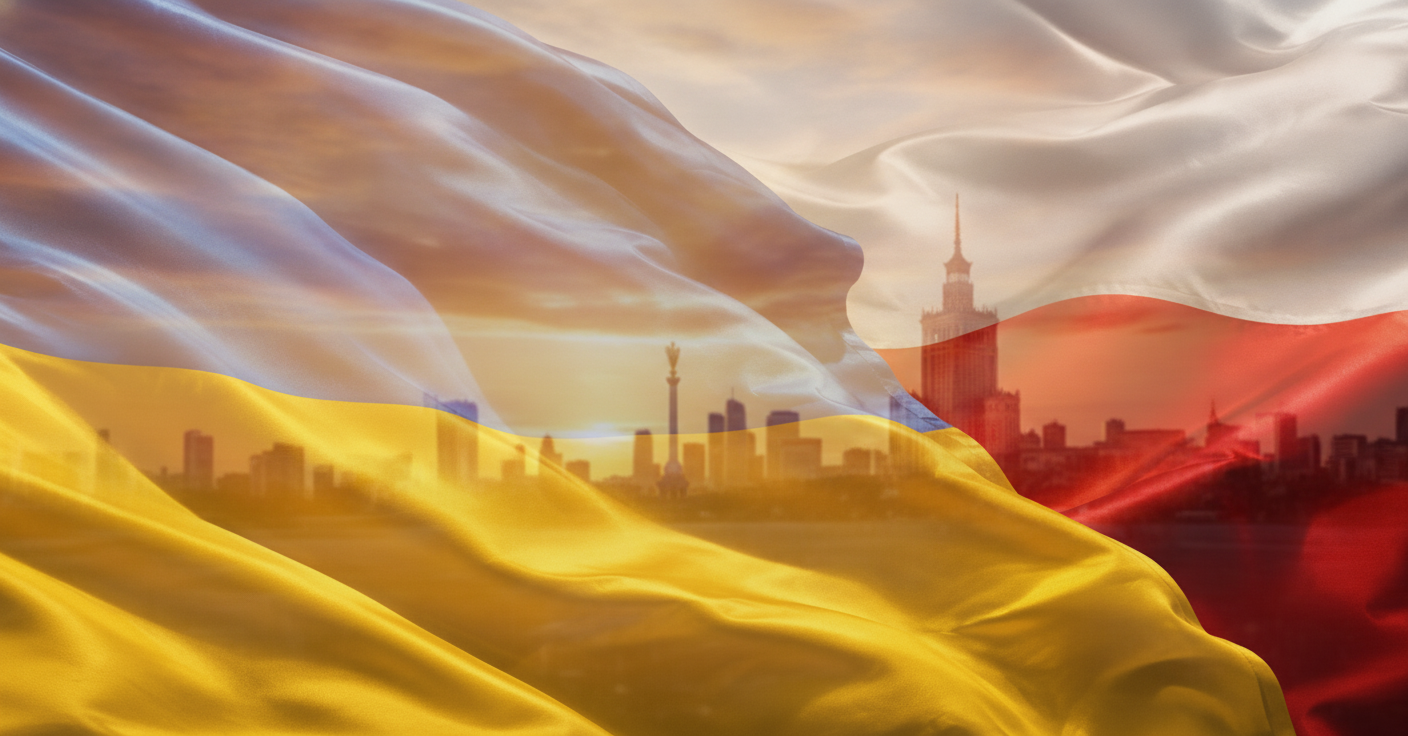
According to Espreso.tv: Polish Member of the European Parliament Piotr Müller has criticized Ukrainian President Volodymyr Zelensky’s approach, arguing that his assertive and uncompromising policies are damaging relations between Poland and Ukraine. These remarks come amid growing tensions following a dispute over the Order of the White Eagle, which was awarded to Zelensky by Polish President Andrzej Duda in 2023. The controversy has highlighted the fragile state of diplomatic ties between the two neighboring nations.
The Order of the White Eagle Dispute
On May 26, 2026, Zelensky signed a decree granting the honorary title 'Named after the Heroes of the Ukrainian Insurgent Army (UPA)' to the 'North' Special Operations Center. This move sparked outrage among Polish politicians. The following day, on May 27, 2026, Polish official Nawrocki announced his intention to strip Zelensky of the Order of the White Eagle, marking the first step in the escalating conflict. On June 8, 2026, the Chapter of the Order of the White Eagle convened to discuss further measures. By June 19, 2026, Nawrocki had officially revoked the award, and on June 20, the Ukrainian president confirmed he had returned the medal. On June 22, 2026, Nawrocki’s office acknowledged receipt of the Order.
This situation has sparked widespread public debate. A poll conducted on June 26, 2026, showed that Nawrocki’s approval rating had climbed to 54.8%. Meanwhile, 90% of Ukrainians expressed support for a constructive resolution to historical disputes with Poland.
Commenting on Nawrocki’s actions, Volodymyr Zelensky stated: 'I see purely electoral motives behind Nawrocki’s moves.'
These events underscore the deepening rift between Poland and Ukraine, emphasizing the urgent need for diplomatic dialogue to bridge historical divides. As tensions rise, a constructive approach to conflict resolution and mutual understanding of historical contexts could prove vital for stabilizing bilateral relations. The next steps taken by both sides will likely determine whether further escalation can be avoided and trust can be restored between the two countries.
Read also
- Zelensky and Top Military Command Outline Response Plan to Russian Strikes
- EU Adopts 21st Sanctions Package Against Russia: What the New Restrictions Target
- Deadly Strikes Hit Kyiv Region and Sloviansk: 11 Killed, Dozens Wounded
- Ukrainian Forces Strike Kirov’s Avitek Plant: Key Military Components Under Sanctions
- A Vatican Meeting Shifted Zelenskyy’s Relationship With Trump: What Happened at St. Peter’s Basilica
- Zelensky Warns of Black Sea Grain Corridor Blockade as Ukraine Calls UN Security Council Meeting