Transnistria: A Russian Platform for Pressure on Ukraine Since 2014.

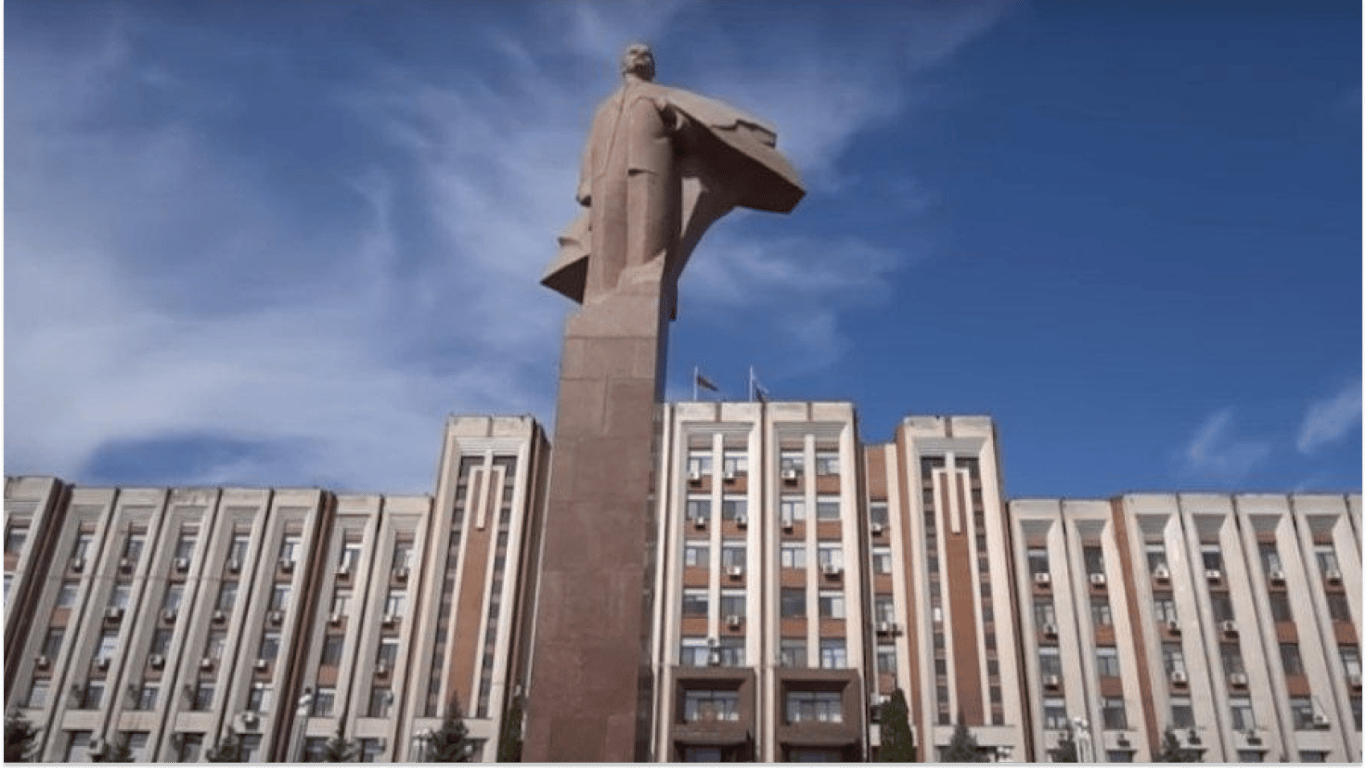
Russia's Military Footprint in Transnistria
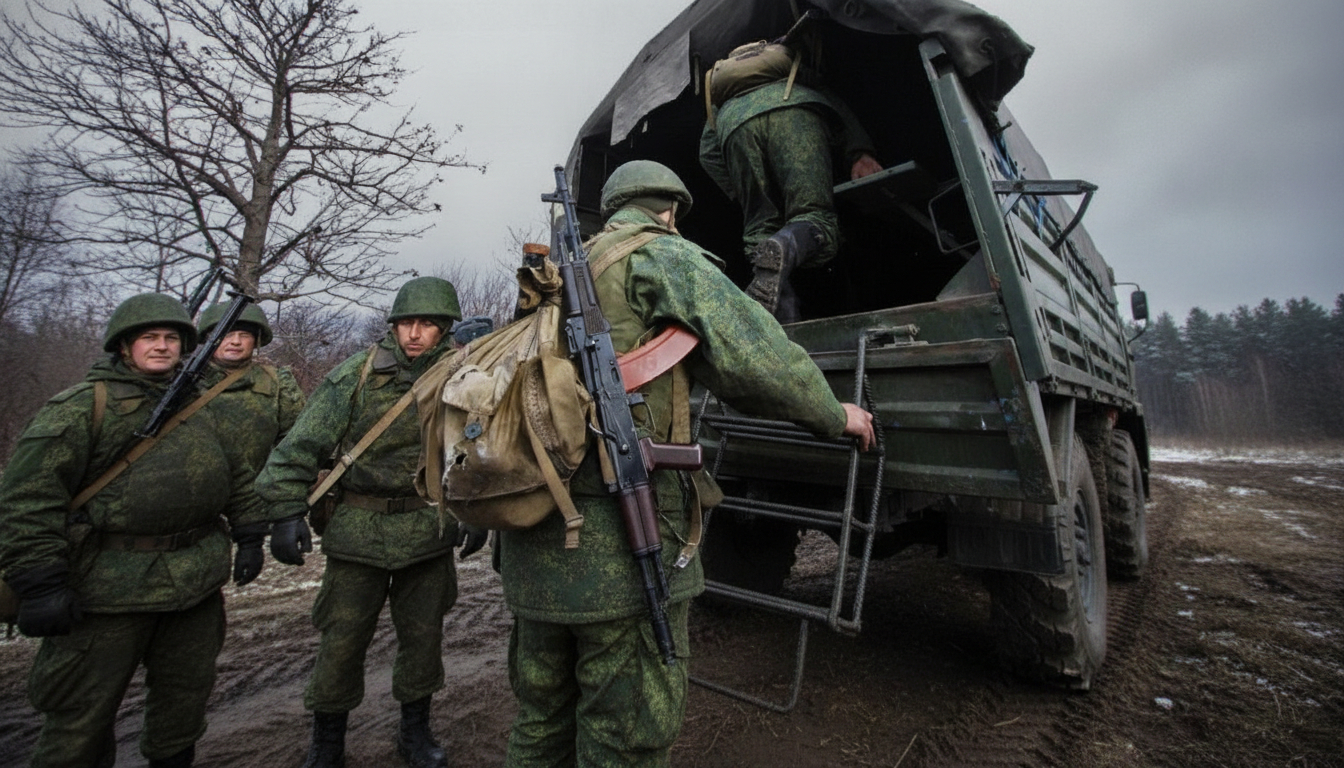
According to Novyny.live: Since 2014, Russia has leveraged the breakaway region of Transnistria as a strategic tool to exert pressure on Ukraine, orchestrating a range of sabotage and information operations. The area currently hosts approximately 1,500 Russian military personnel. This force, combined with up to 8,000 members of the so-called 'Transnistrian Army,' constitutes a significant military contingent. Furthermore, around one thousand local intelligence operatives are active in the region, facilitating ongoing military and informational campaigns. Transnistria, a self-proclaimed republic internationally recognized as part of Moldova, has long been a source of regional tension.
Assessing the Threat from Transnistria
Expert analysis indicates that numerous sabotage and information special operations against Ukraine have originated from Transnistrian territory. As analyst Vitaliy Kulik noted:
"While the region can generate threats, it would be an overstatement to label Transnistria as a massive military danger." - Vitaliy Kulik
Nevertheless, the presence of tanks, armored vehicles, multiple-launch rocket systems, and small arms in the region remains a serious cause for concern.
Consequently, Transnistria persists as a crucial element in Russia's strategy toward Ukraine, utilizing its military presence and operational potential to conduct activities that can impact regional security. Simultaneously, specialists emphasize the necessity for careful monitoring and assessment of potential threats arising from Transnistrian activity.
Given its unique geographic and political position, Transnistria serves as an important Russian foothold in the context of the conflict with Ukraine. The concentration of military forces and intelligence services there underscores the potential risks to the security of neighboring states. Close observation of the situation in Transnistria will remain a priority for Ukrainian and international analysts, as shifts in military activity could directly influence regional stability.
Read also
- How Trump's Lack of Russia Contacts Shaped His Ukraine Rhetoric
- Czech President Warns Russia May Announce Mobilization After September 20 Elections
- Ukraine's EU Accession Faces a Hard Deadline: 2027 Will Be the Decisive Year
- Ireland Announces EU’s 21st Sanctions Package Against Russia: Here’s What We Know
- The War on Civilians: What’s Happening in Occupied Kherson, Mariupol, and Donetsk
- Ukraine-Poland Relations: Mejlis Calls for Responsible Historical Memory Amid Tensions