Russia is losing the Arctic: three key icebreakers will run out of resource due to sanctions.

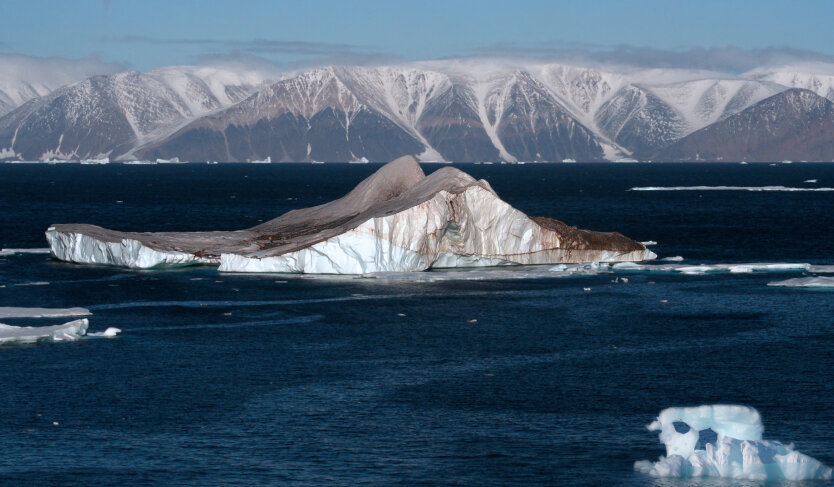
Russia is losing the competition for the Arctic
According to inkorr.com: Within the next two years, three Russian icebreakers will exhaust their resources. According to the Ukrainian Foreign Intelligence Service, Russia faces serious problems in the operation of nuclear ice-class vessels. This is due to international sanctions, the lack of domestic technologies, and insufficient funding.
'Since the beginning of the full-scale war against Ukraine, the aggressor country has put into operation only one nuclear ice-class vessel. International sanctions, the lack of modern technologies in Russia, and funding issues negatively affect Russia's potential to become a modern Arctic power.'
According to the Foreign Intelligence Service, about one third of Russian icebreakers were built in Finland, as most vessels of this class are produced in Finnish shipyards. After the imposition of sanctions, Russia faced difficulties in building new vessels and risks encountering serious problems, including reactor accidents on nuclear icebreakers in the Arctic.
Reduction of Russia's plans
Russia has revised its plans for the creation of three icebreakers by 2032, leaving only one in the project, which costs 127 billion rubles — approximately the annual budget of the Kamchatka Territory. However, according to preliminary intelligence estimates, Russia may not have the resources to successfully complete this project, indicating an overall loss of positions in the Arctic.
In recent years, Russia has continually faced difficulties in operating nuclear ice-class vessels due to international restrictions, technological backwardness, and financial difficulties. These factors could lead to a loss of competitiveness in the strategically important Arctic region and increase environmental risks.
The situation with Russia's Arctic program demonstrates significant difficulties the country faces under conditions of international isolation. The loss of positions in the Arctic could have far-reaching consequences not only for Russia itself but also for global ecology, as this region constantly faces new challenges, including climate change and rising sea levels.
Read also
- New Government Center to Manage Employee Reservations: Salary Thresholds Set at Critical Levels
- Russia’s 2026 Budget Deficit Could Hit a Record 4.83 Trillion Rubles
- Nearly 50 Million UAH Allocated for a New Kyiv Heating Plan: What’s Changing
- Shipowners Are Increasingly Avoiding Ukrainian Ports: Here’s What’s Driving the Crisis
- Greek Company Blocks New EU Sanctions on Russia: Inside the LNG Business Ties
- Drone Attack Halts Operations at Russia's Salavat Petrochemical Plant: Repair Timeline Revealed