China Demands a Fivefold Price Cut: Stalemate in Power of Siberia 2 Pipeline Talks.

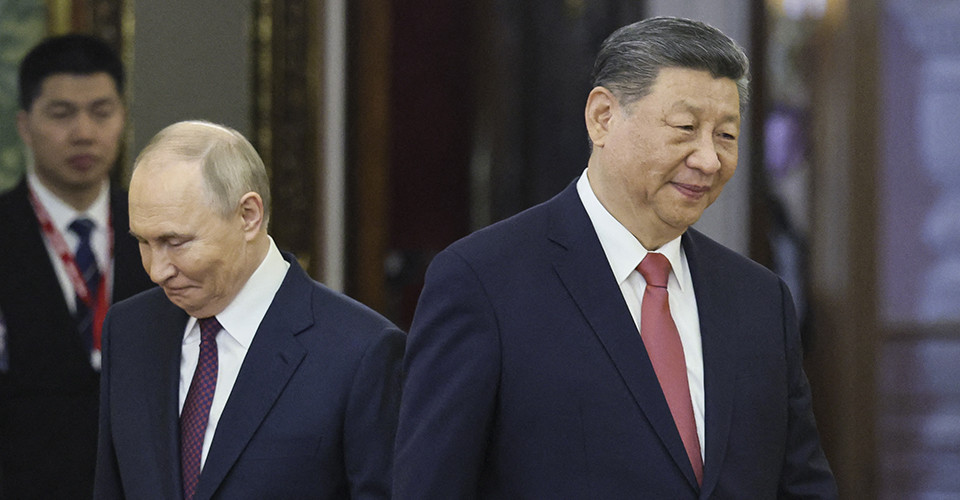
Power of Siberia 2 Pipeline Negotiations at an Impasse
According to Espreso.tv: Negotiations between Russia and China over the Power of Siberia 2 gas pipeline have hit a deadlock. Beijing is insisting that Moscow slash the price of its gas to roughly $50 per thousand cubic meters—a figure about five times lower than what China currently pays for Russian supplies. This demand has brought discussions to a halt, with China refusing to continue talks unless Russia agrees to the new terms. The project has been under discussion for over a decade.
China has made it clear it will not resume negotiations on the pipeline until Moscow accepts its conditions. The proposed price of $50 per thousand cubic meters is approximately one-fifth of the current rate China pays for Russian gas. To put this in perspective, other foreign buyers of Gazprom's gas pay eight times more, adding further pressure on the Russian side. This pricing dispute underscores the widening gap between the two nations' expectations.
Project Outlook
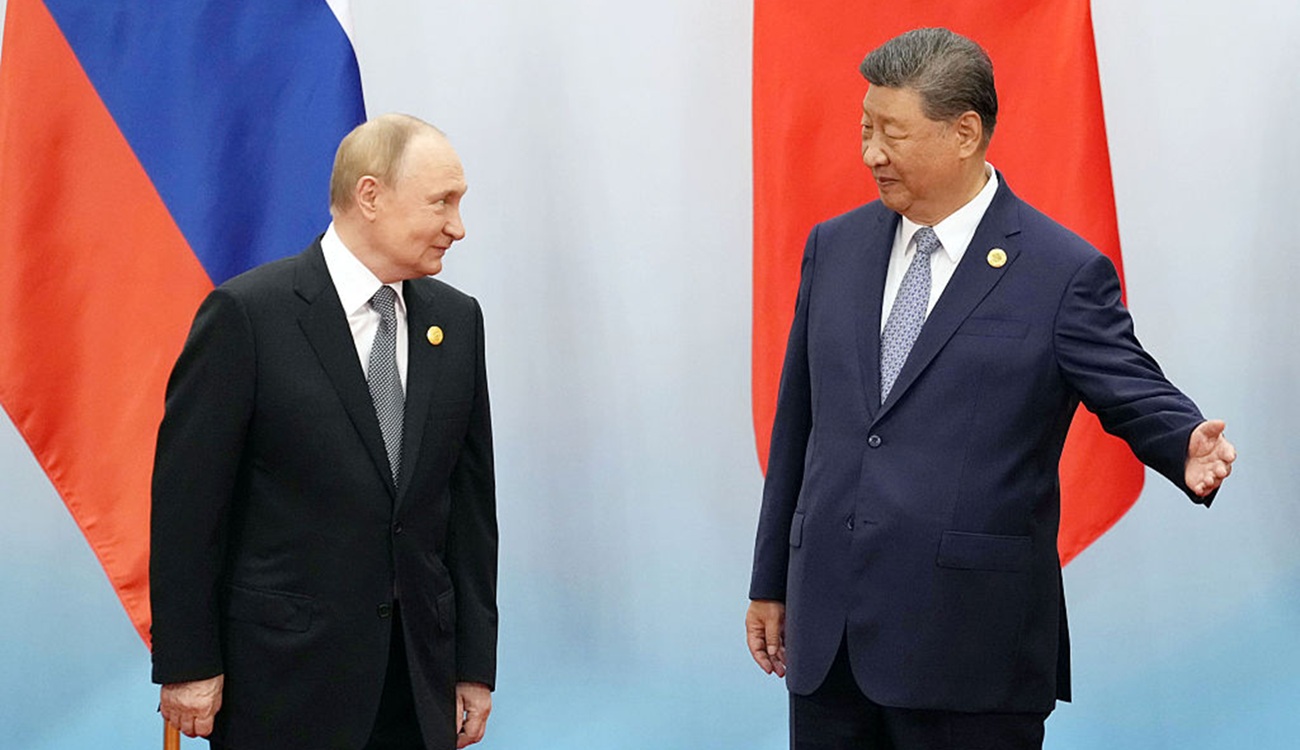
In 2025, Russian President Vladimir Putin and Gazprom CEO Alexei Miller reportedly announced the signing of a memorandum for the pipeline, but Beijing never confirmed this. That same year, Russia signed an agreement to build the Power of Siberia 2 pipeline, estimated to cost $25 billion. However, by May 2026, Putin failed to secure Chinese President Xi Jinping's approval for construction, highlighting serious disagreements between the two sides.
As a result, the future of the Power of Siberia 2 project remains uncertain. China is demanding a substantial price reduction, while Russia has yet to show willingness to meet those terms. This standoff is likely to affect energy cooperation between the two countries moving forward.
The prolonged delay in negotiations over the Power of Siberia 2 pipeline underscores the complexities of Russia-China energy relations. Beijing's push for lower prices may reflect a shift in its energy strategy, as the country seeks alternative supply sources and aims to cut costs. If no compromise is reached, it could undermine Russia's long-term plans to boost gas exports to China, with potential ripple effects across the global energy market.
Read also
- China's Trade Leverage Over Russia Surges from 10% to 40% as Putin Becomes the Dependent Partner
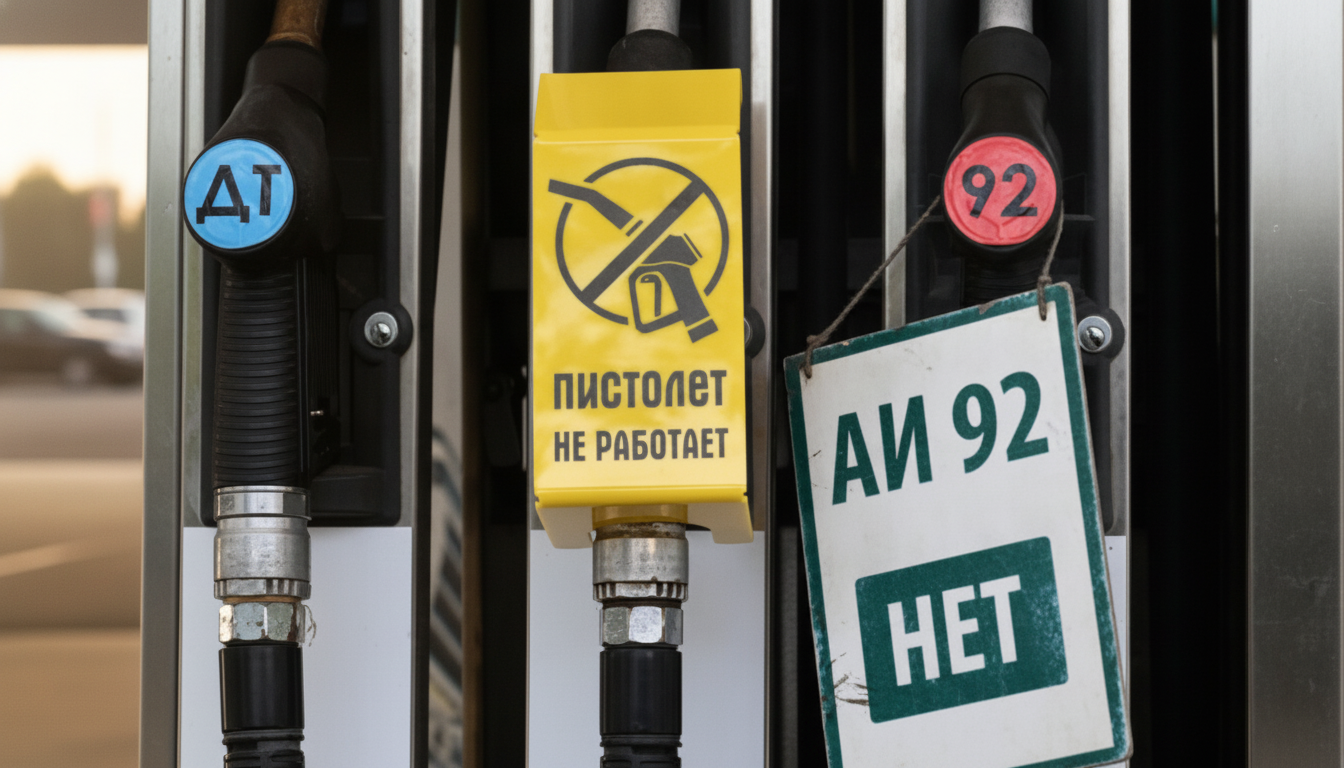
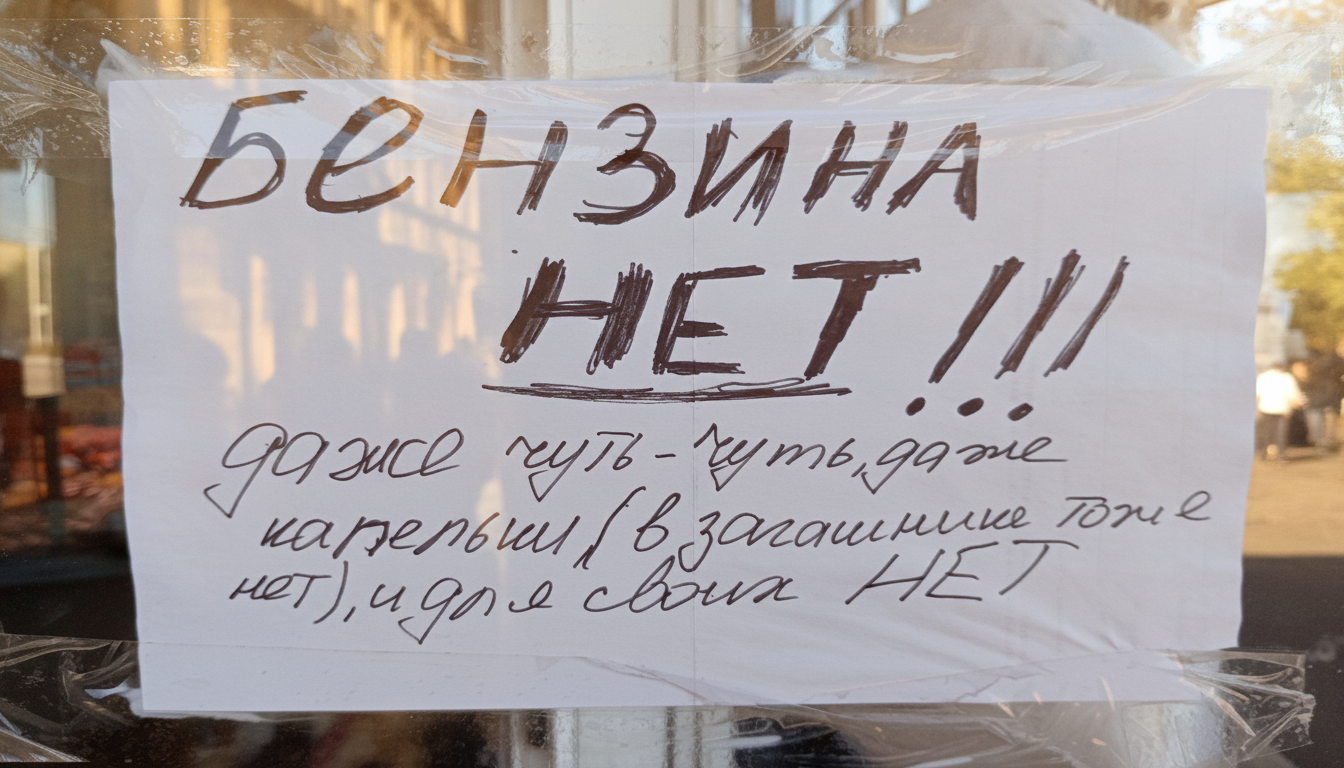
- Putin Acknowledges Fuel Shortage in Russia as Gas Stations Close and Sales Are Restricted
- Why Belarus Avoids War While Lukashenko Recruits Migrants and Expands the Army
- Putin Refuses to Halt War Without Concessions as Russia Faces Fuel Shortages and Plummeting Approval Ratings
- Russia Plunges Into the Abyss: Opposition Warns of a Collapse in Putin’s Regime
- China Backs North Korea’s Nuclear Build-Up as Pyongyang Escalates Military Ambitions