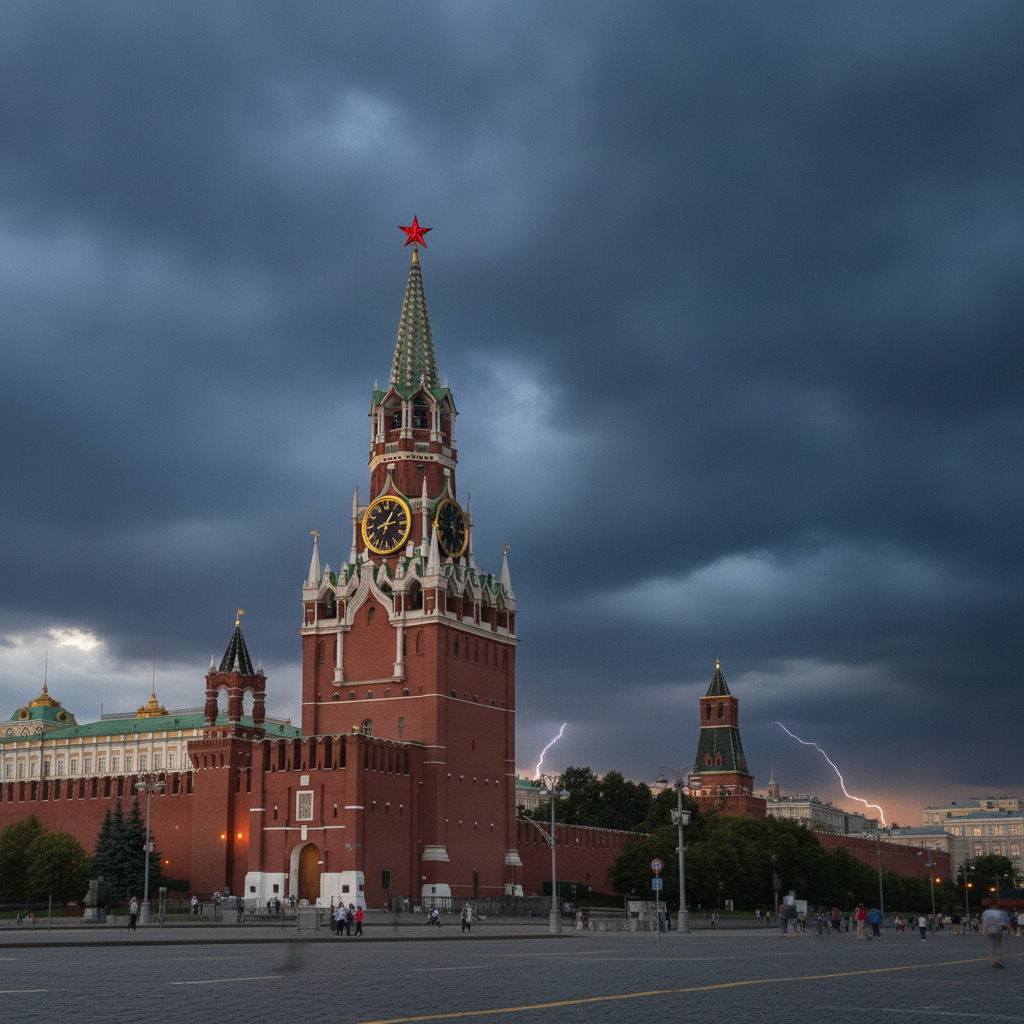
Russia’s Grip on the South Caucasus Weakens as a New Power Dynamic Emerges.

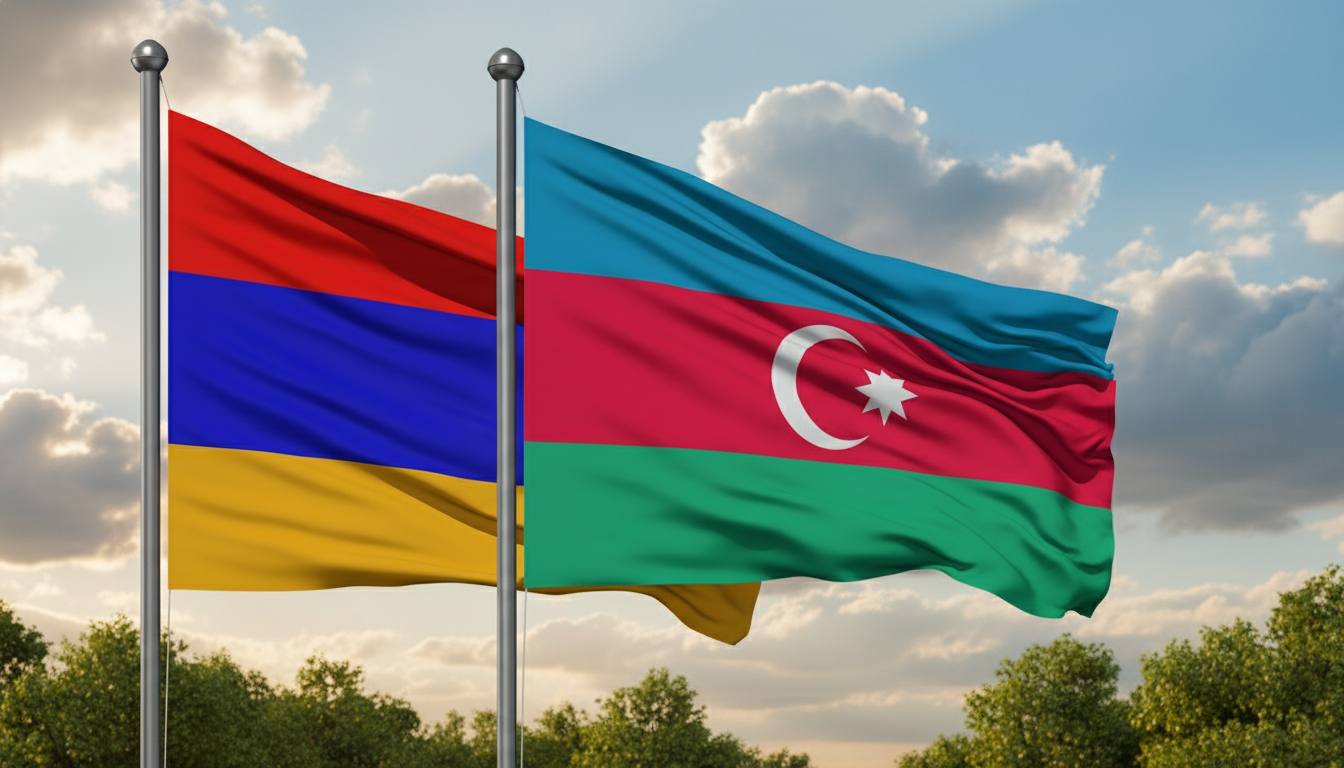
Shifting Geopolitical Landscape in the South Caucasus
According to UATV: According to Vitaliy Kulyk, Director of the Center for Civil Society Research, Russia is steadily losing its influence in the South Caucasus, while the ongoing normalization between Armenia and Azerbaijan could dramatically reshape the region’s geopolitical balance. Against this backdrop, the United States and Armenia signed a Comprehensive Strategic Partnership Charter on May 26. This move signals deeper bilateral cooperation and may serve as a clear message to other regional actors.
Over the past year, cargo traffic through the South Caucasus has surged by hundreds of percent, highlighting the region’s growing importance as a key transit corridor. Kulyk comments on this trend, stating:
“Today, the Caucasus is becoming the main corridor between Asia and Europe.” – Vitaliy KulykThis development could unlock new economic opportunities for countries situated at the crossroads of these continents.
Armenia–Turkey Cooperation Prospects
Armenia is also exploring a railway connection with Turkey via Kars, which could open fresh avenues for bilateral cooperation. Kulyk argues that “if Russia tries to use gas as a pressure tool, Armenia will have alternatives.” This underscores Armenia’s diminishing reliance on Russian energy resources and its potential to pursue new development pathways.
Kulyk further notes that Armenia’s reduced participation in the Collective Security Treaty Organization (CSTO) and its push for closer ties with the European Union are becoming increasingly evident.
“Hence Armenia’s reduced involvement in the CSTO and its drive to build stronger relations with the European Union.” – Vitaliy KulykFollowing Nikol Pashinyan’s electoral victory, Russia risks losing its remaining footholds in Armenia, which could also trigger shifts in bilateral relations.
Overall, the changes in the South Caucasus—especially the normalization between Armenia and Azerbaijan—are poised to significantly alter the region’s geopolitical landscape. Kulyk concludes: “Whether Russia likes it or not, it will have to come to terms with the new reality.” This suggests Moscow must adapt to the evolving conditions driven by Armenia’s deepening engagement with the West.
These developments underscore the growing trend of shifting geopolitical influence in the South Caucasus, which could impact the strategies of major powers. The strengthening of ties between Armenia and Western nations, along with the expansion of regional economic links, may act as catalysts for further changes in the foreign policies of South Caucasus countries. In turn, this could lead to a reevaluation of strategic alliances and economic relationships across the entire region.
Read also
- Washington Hosts Zelenskyy for Trump Meeting – Full Details on the Visit
- Iran's Alleged Strike Preparations on Ukraine Lack Official Evidence, Diplomacy Center Director States
- Telegram-Recruited Ukrainian Woman Gets 15 Years in Prison for Terror Plot
- Post-Election Martial Law in Russia: What Restrictions Could Follow?
- For 2027, Ukraine's Cabinet Outlines Budget Draft with Emphasis on Defense and Foreign Commitments
- Hungary Launches Asset Recovery Agency in Wake of Fidesz Office Raid