How Russia's Staggering Military Losses Are Forcing a Strategic Shift.

A Shift in Russian Military Strategy
According to UATV: Russia's military leadership is being compelled to alter its battlefield strategy due to the immense human cost of its war against Ukraine. Over four years of conflict, Russia has lost more than 1.26 million soldiers, a figure that underscores severe challenges for its armed forces. The monthly casualty rate on the front now exceeds the total losses Russia sustained over a decade of war in Afghanistan, while the pace of its territorial advance is the slowest recorded in the last century.
Each day, the Russian army suffers over a thousand casualties while advancing a mere 15 to 70 meters. In the third week of February, Russian troop losses reached approximately 2 to 2.5 companies per square kilometer. This critical frontline situation is forcing military commanders to urgently seek new reserves to sustain combat operations.
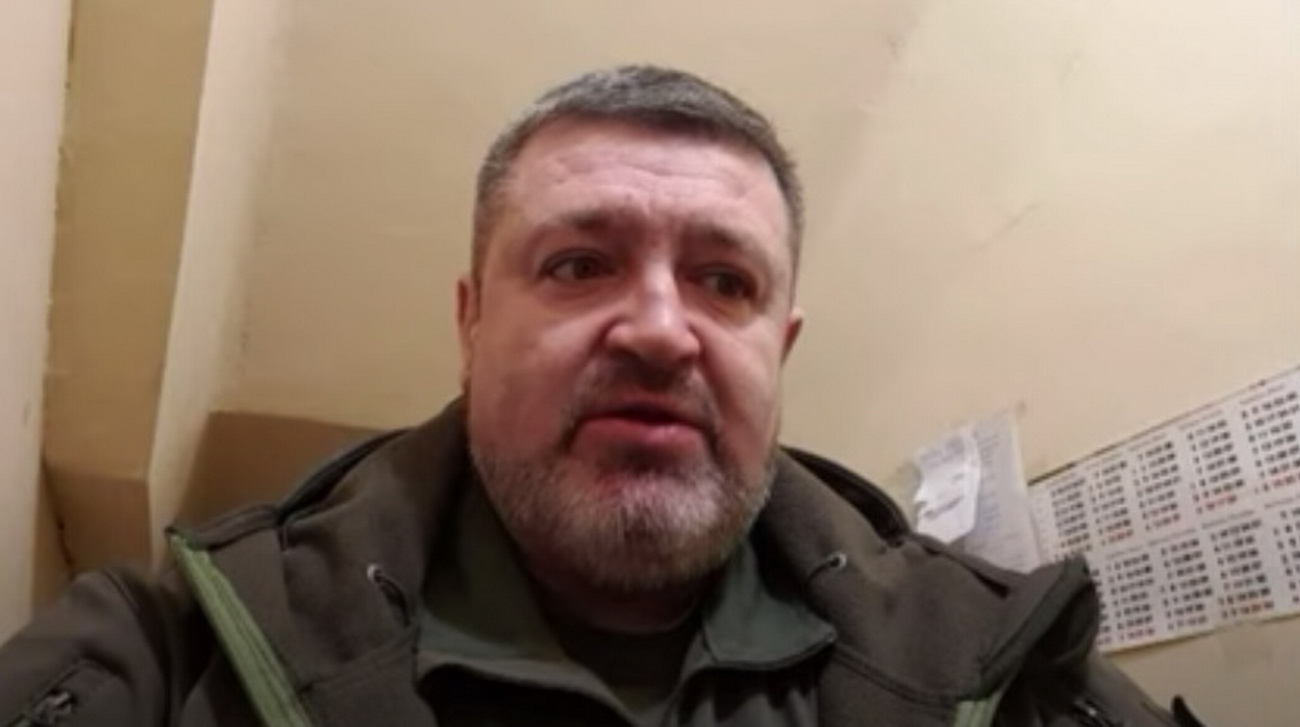
“The enemy is forced to commit its reserves to battle.” - Serhiy Bratchuk
Furthermore, a decline in troop training quality is evident, likely a consequence of constant losses and the urgent need to fill the ranks. Bratchuk also noted that 'covert forms of mobilization in Russia have been in effect for a long time,' pointing to the use of non-public methods to form new units. Under the strain of such losses and mounting pressure, there are 'many cases of desertion,' indicating a deteriorating state of morale within the forces.
Potential Consequences for Political Stability
These military developments could have serious implications for political stability within Russia. As Bratchuk stated, 'this bell will toll across the entire Russian Federation,' suggesting that the repercussions of military setbacks may trigger internal social and political processes. Thus, Russian military leadership faces critical challenges that could affect the future course of the war and the country's internal situation.
Mounting casualties and falling morale are creating an urgent need for changes in military strategy. This, in turn, could impact Russia's domestic politics, potentially leading to social tensions and destabilization. As the protracted war continues, it is crucial to monitor further shifts that may occur within Russian society and its political landscape.
Read also
- EU Imposes 21st Sanctions Package on Russia, Targeting 32 Banks
- EU Approves New Russia Sanctions as Irish Prime Minister Arrives in Kyiv
- Rubio and Lavrov Meet in Manila: Prospects for a Ukraine Compromise
- EU Accession and Black Sea Threats Top Agenda in Ukraine-Moldova Talks
- Is Moscow in Range? Russia Bolsters Air Defenses as Ukraine's Missile Program Advances
- Ireland’s Prime Minister Arrives in Kyiv for Talks with Zelenskyy—Here’s What’s on the Agenda