Ukraine's Supreme Court Judge Declares Sanctions Against Poroshenko Illegal: Key Violations Explained.

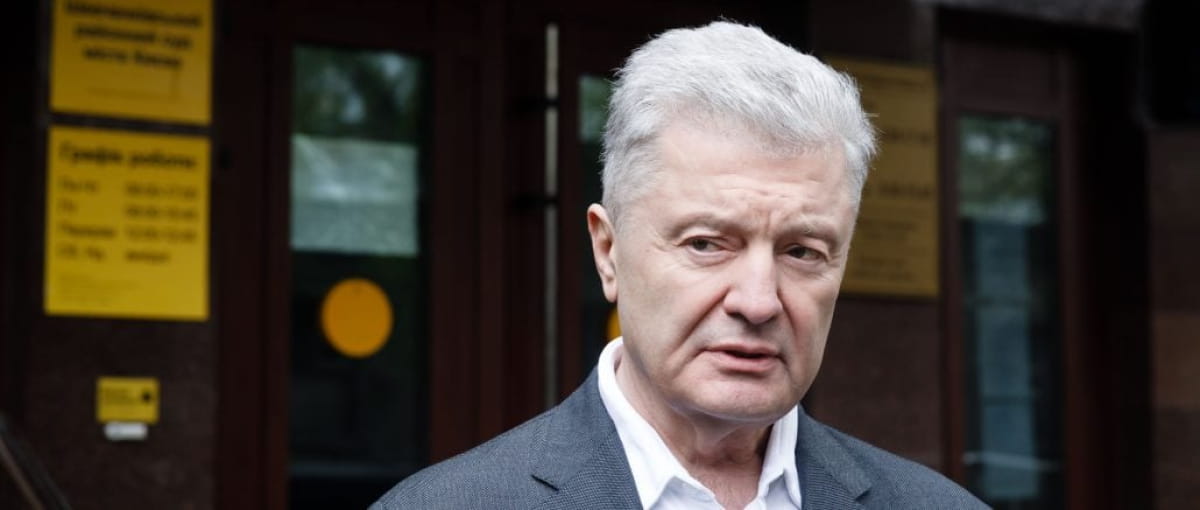
Sanctions Imposed on Petro Poroshenko
According to 5 канал — Політика: Justice Mykhailo Smokovych of the Supreme Court has stated that the personal sanctions against former Ukrainian President Petro Poroshenko were enacted in violation of the law. He argues that the Supreme Court's decision on July 10, 2026, which rejected the lawsuit, was unlawful. Smokovych points out that the State Financial Monitoring Service of Ukraine overstepped its authority, as its legal mandate only permits the analysis of financial transactions, not the initiation of sanctions.
The sanctions against Poroshenko were introduced under Presidential Decree No. 81/2025. However, Judge Smokovych emphasized that the circumstances cited as justification for this decision were not adequately substantiated.
“The circumstances that supposedly formed the basis for the decision were documented by agencies that, given their respective areas of expertise, were incapable of detecting or analyzing this information. Without a legal foundation for the proposals, all subsequent decisions by the authorities are stripped of legitimacy.”
Mykhailo Smokovych
Smokovych further noted that the State Financial Monitoring Service of Ukraine exceeded its jurisdiction. When suspicious financial activities are identified, the agency is required by law to refer the matter to law enforcement, not to act independently. Consequently, the lack of a legal basis for the decisions against Poroshenko casts doubt on the legitimacy of both the sanctions and the actions of state bodies.
The Critical Need for Legal Compliance
This case highlights the essential importance of adhering to legal procedures when imposing sanctions, especially when targeting high-ranking officials. If the State Financial Monitoring Service's actions are confirmed as unlawful, it could lead to significant legal repercussions and erode public trust in government institutions. The situation may also set a precedent for future legal challenges to the legitimacy of sanctions in court.
Read also
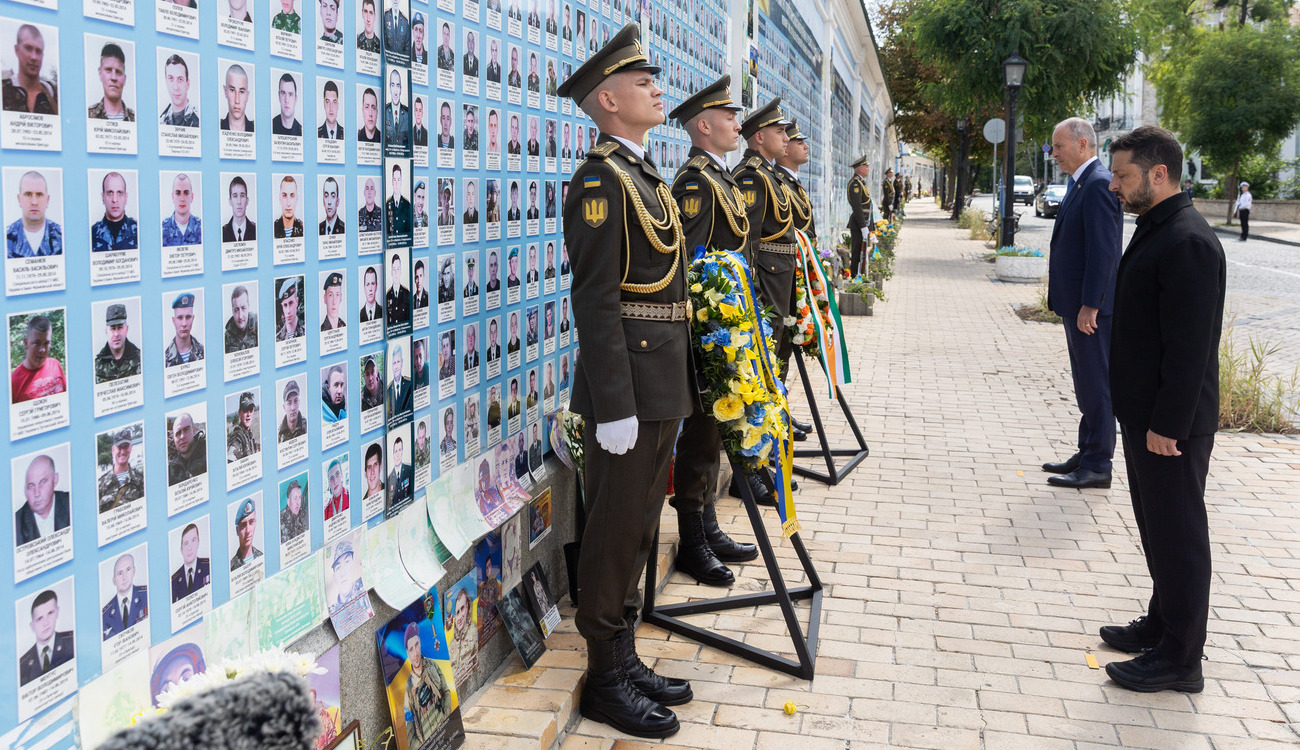
- Ireland’s Prime Minister Arrives in Kyiv for Talks with Zelenskyy—Here’s What’s on the Agenda
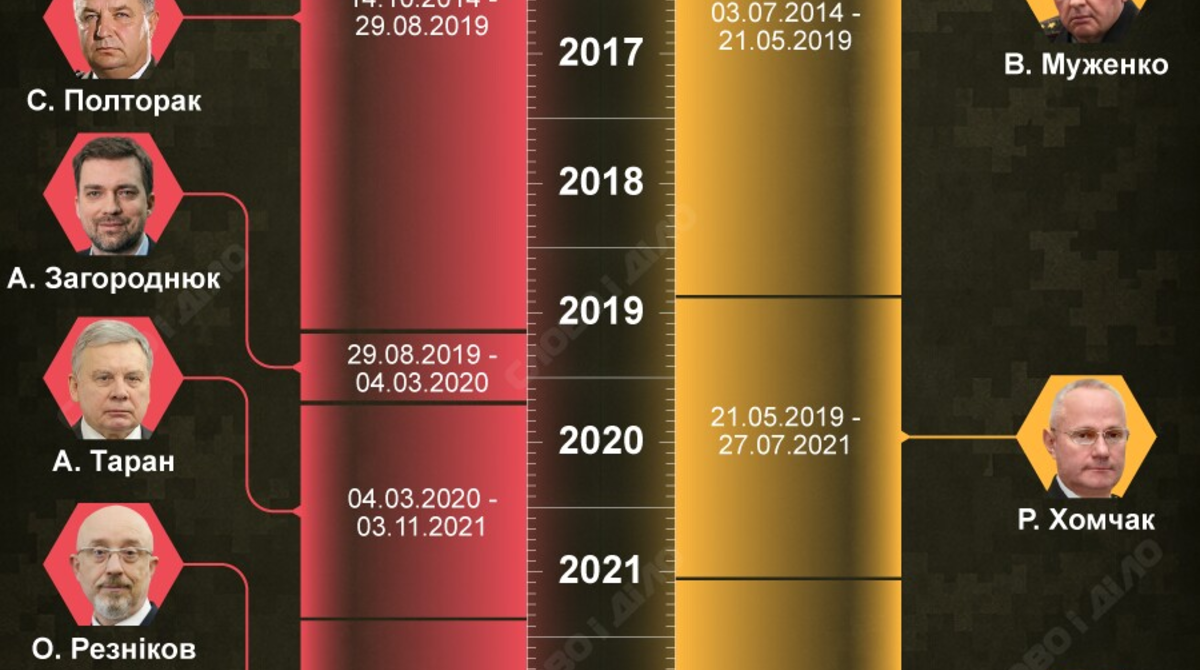
- Ukraine’s Military Leadership Shake-Up: Zelenskyy Appoints Drapatiy as New Commander-in-Chief and Skybyuk as Chief of General Staff
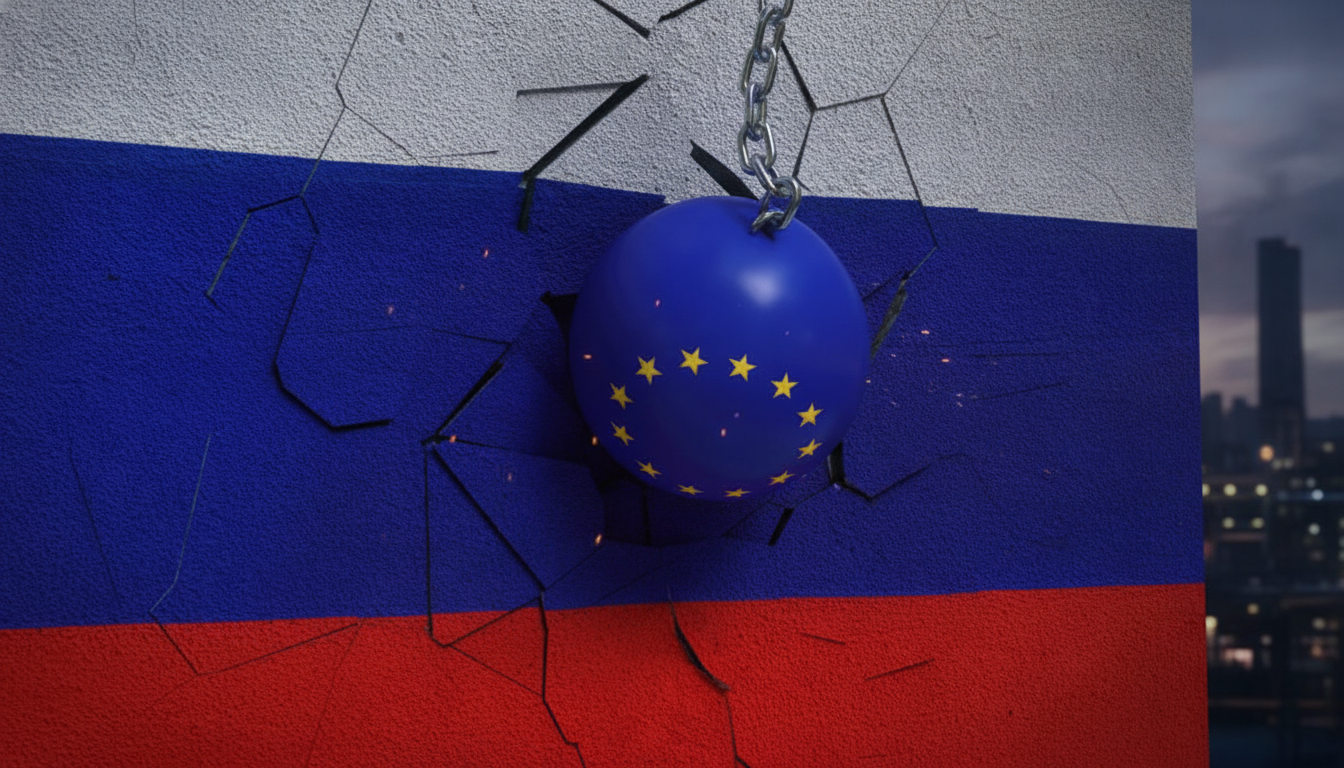
- EU Agrees on 21st Sanctions Package Against Russia: Fresh Curbs Targeting Finance and Energy
- Trump Approves Nuclear Deal with Saudi Arabia, Allowing Enrichment Without IAEA Oversight
- Rubio and Lavrov Hold Talks in Manila: Key Topics at the ASEAN Summit
- Lavrov Delivers an Ultimatum to Rubio: Demand to Halt U.S. Military Aid to Ukraine