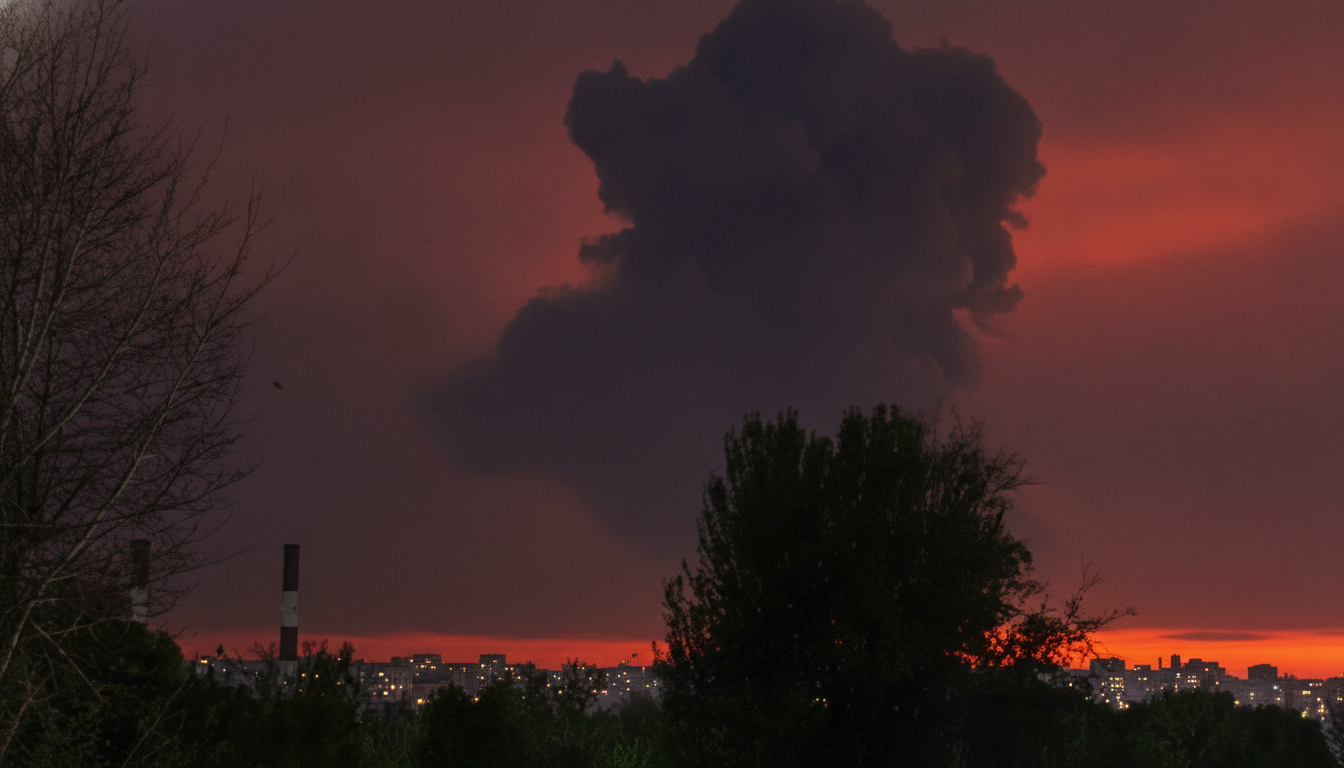
Russia's Drone Offensive Intensifies: Over 100 UAVs Deployed Daily, Up to 500 in Major Strikes.

Surge in Attack Drone Numbers
According to UATV: Russia has dramatically escalated its use of attack drones against Ukraine. The country is now deploying over 100 unmanned aerial vehicles (UAVs) daily, including models like the 'Shahed,' 'Italmas,' and 'Gerbera.' During large-scale assaults, this number can surge to 500 or more. This represents a significant tactical shift from previous years, when Russia relied more heavily on cruise missiles. This drone-intensive strategy reflects a broader global trend in modern warfare, where unmanned systems are becoming central to offensive operations.
Impact on Ukraine's Defensive Capabilities
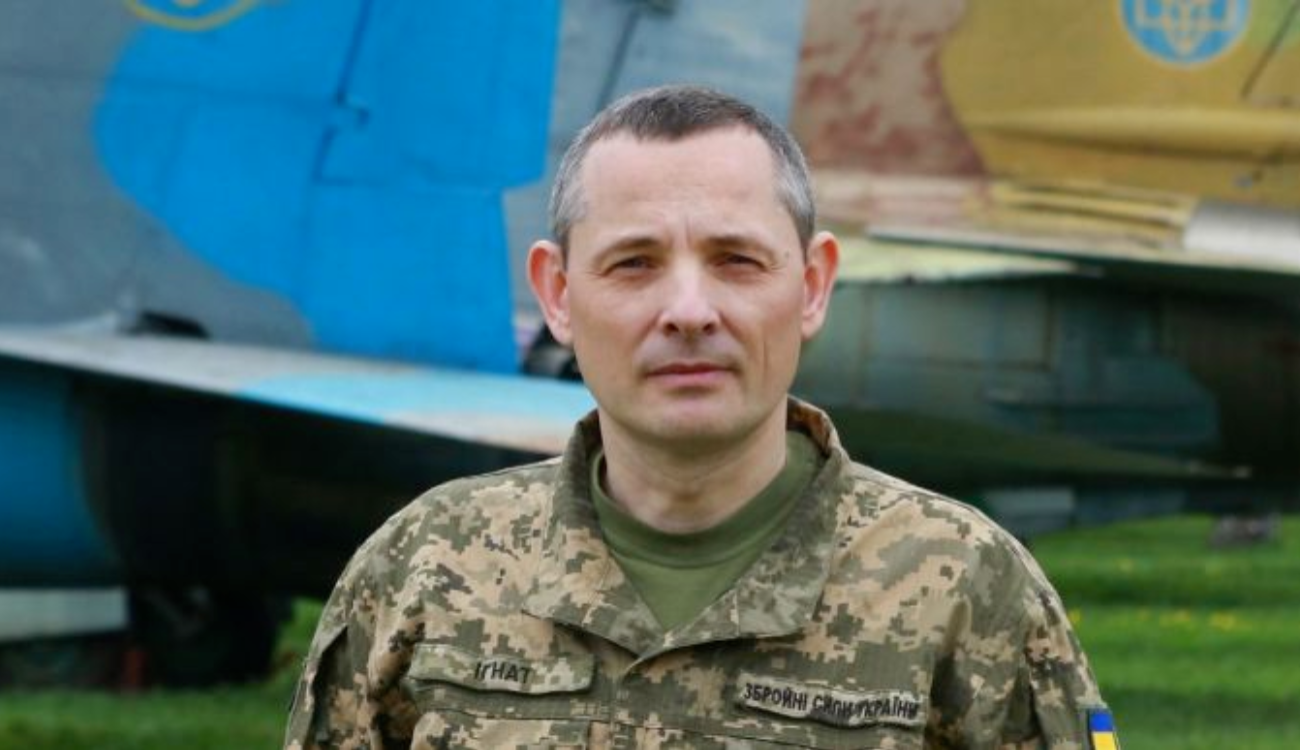
Military analysts note that this massive increase in drone attacks severely strains Ukraine's air defense resources. As Yuriy Ihnat pointed out:
The cumulative effect of this seriously impacts the ability to repel such strikes. — Yuriy Ihnat
This challenge is particularly acute given the ongoing threat to Ukraine's energy infrastructure, which has been a primary target since the 2022-2023 heating season.
Recent data indicates Russia is adapting its military strategies, placing a new emphasis on unmanned systems, which suggests a fundamental change in its combat approach. These tactical shifts could have major implications for the conflict's trajectory, as drones become an increasingly dominant tool on the battlefield.
The growing reliance on UAVs by Russian forces highlights the evolving nature of modern military conflict, presenting new and complex challenges for Ukrainian defenders. With critical infrastructure remaining vulnerable, drones have become a primary instrument for conducting strikes, forcing Ukraine to continuously adapt its defensive strategies and bolster its air defense systems. This phase of the war underscores the critical importance of technological innovation and rapid adaptation to emerging asymmetric threats.
Read also
- Heavy Fighting in Donetsk Region: 19 Russian Assaults Recorded in a Single Day
- For the First Time, Ukraine’s Navy Granted Authority to Command NATO Mine-Countermeasure Forces
- Russia Seeks to Widen Combat Zones: Ukraine Stands Up Three New Brigades
- Russian Airstrike Hits Izium: Cargo Office of Nova Poshta Damaged by Guided Bomb
- Iran Blockades the Strait of Hormuz: Houthis Shut Down Bab el-Mandeb in 2026
- Five Fuel Trucks Destroyed in Ukrainian Strike on Russian Military Convoy in Luhansk