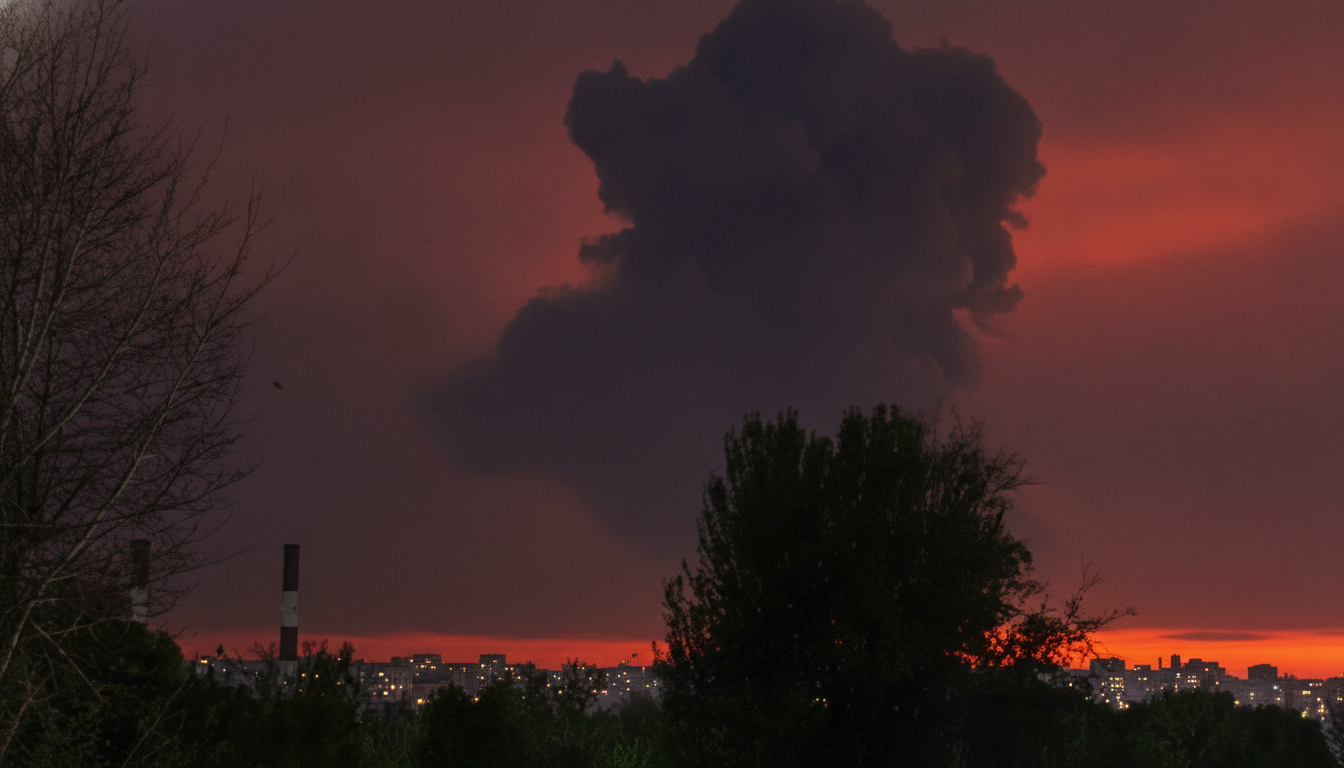
Russia's New War Strategy: Crippling Ukraine's Critical Supply Lines.


Russian Forces Shift Tactical Focus
According to UATV: Russian occupying forces have altered their military strategy, now concentrating on destroying Ukraine's transportation infrastructure. This campaign is severely disrupting civilian evacuations and military supply chains. Military expert Dmytro Snehyriev noted that the current wave of attacks specifically targets Ukraine's transport and logistical networks. The tactical shift aims to cripple the essential life-support systems of Ukrainian cities, a threat amplified during the peak of the winter heating season.
Infrastructure Under Sustained Attack
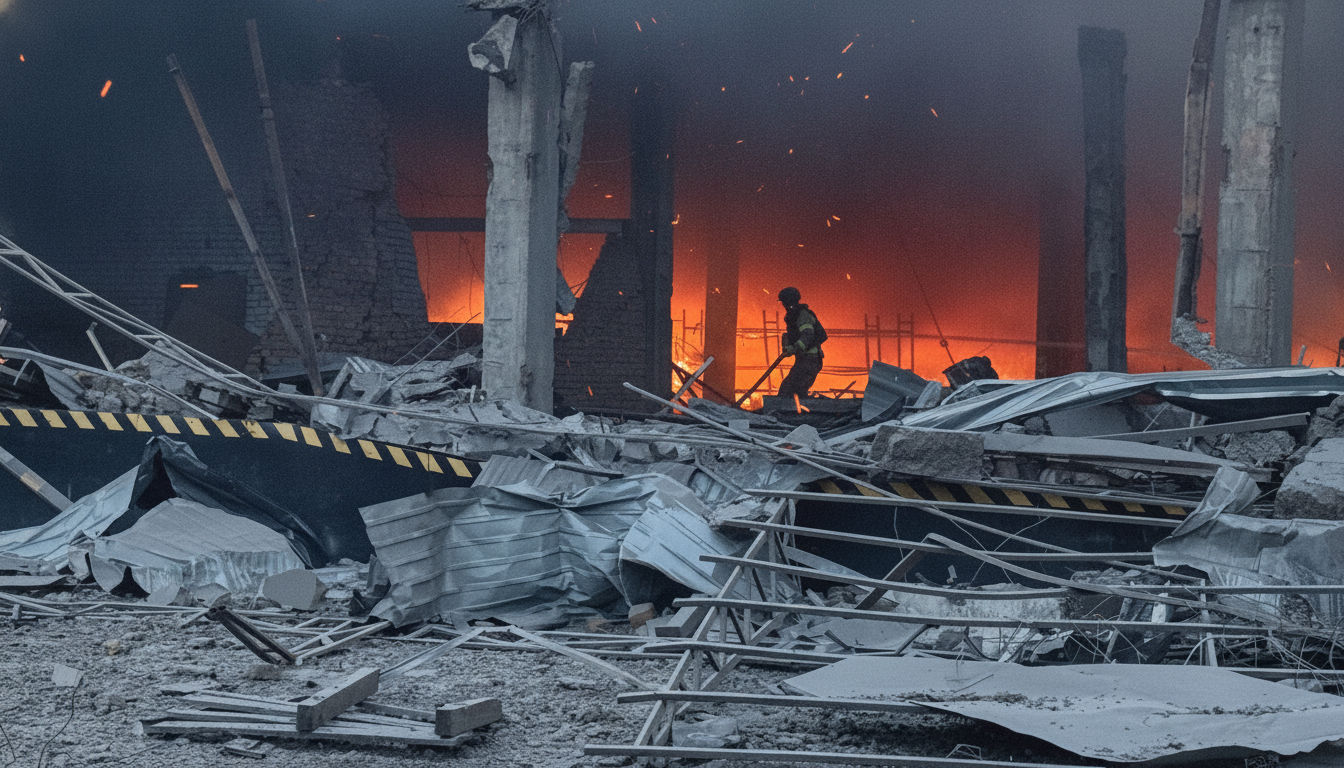
In the early hours of January 30, 2023, the Russian army struck gas infrastructure in the Donetsk region. This is part of a broader reorientation of strikes towards logistics and key rail junctions. For instance, a specialized power-generator railcar belonging to Ukrzaliznytsia, Ukraine's state railway, was damaged in the Dnipropetrovsk region. Snehyriev emphasized that the Russian calculation relies on Ukrzaliznytsia being overwhelmed with civilian evacuation efforts, preventing it from swiftly moving military cargo from western to eastern Ukraine. This strategy is a significant escalation in targeting the country's economic and social resilience.
Consequently, Russian forces are attempting to block not only rail transport via Ukrzaliznytsia but also road traffic. The Kremlin believes that systematically attacking infrastructure will trigger social upheaval in Ukraine, with public demands to end the war as a primary goal. This new strategy of logistical paralysis could substantially impact the frontline situation and create severe hardships for both the population and the military.
The change in Russian strategy underscores an intent to destabilize Ukraine by striking its critical infrastructure. This is likely to exacerbate the humanitarian crisis, as transportation difficulties will hamper the delivery of food, medicine, and other vital resources. In a war where the population is already enduring immense suffering, these actions risk triggering deeper social and economic consequences, including a potential rise in public discontent.
Read also
- Heavy Fighting in Donetsk Region: 19 Russian Assaults Recorded in a Single Day
- For the First Time, Ukraine’s Navy Granted Authority to Command NATO Mine-Countermeasure Forces
- Russia Seeks to Widen Combat Zones: Ukraine Stands Up Three New Brigades
- Russian Airstrike Hits Izium: Cargo Office of Nova Poshta Damaged by Guided Bomb
- Iran Blockades the Strait of Hormuz: Houthis Shut Down Bab el-Mandeb in 2026
- Five Fuel Trucks Destroyed in Ukrainian Strike on Russian Military Convoy in Luhansk