Russians will not be able to buy medicines: prices have skyrocketed to a record 30%.

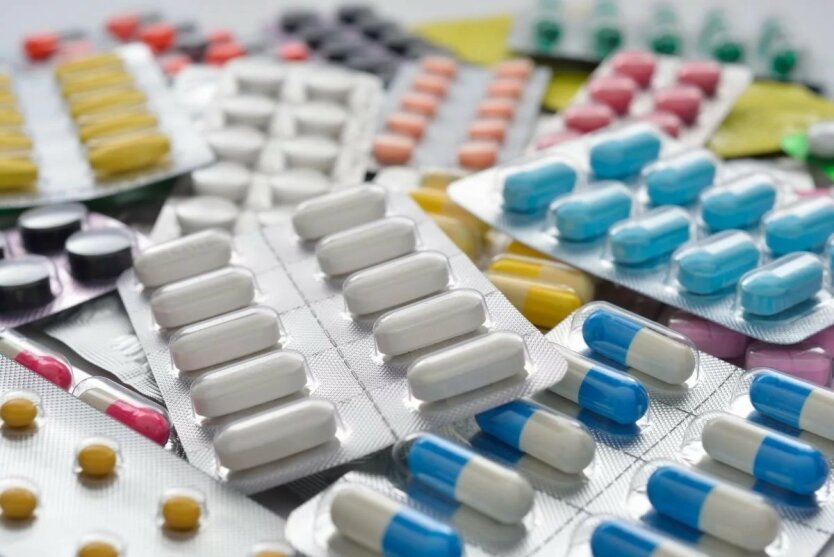
According to inkorr.com: In Russia, there has been a sharp rise in the prices of medicines, significantly exceeding the inflation rate - this increase amounts to 3.5 times. This information is provided by the Main Intelligence Directorate of Ukraine.
Situation with medicine prices
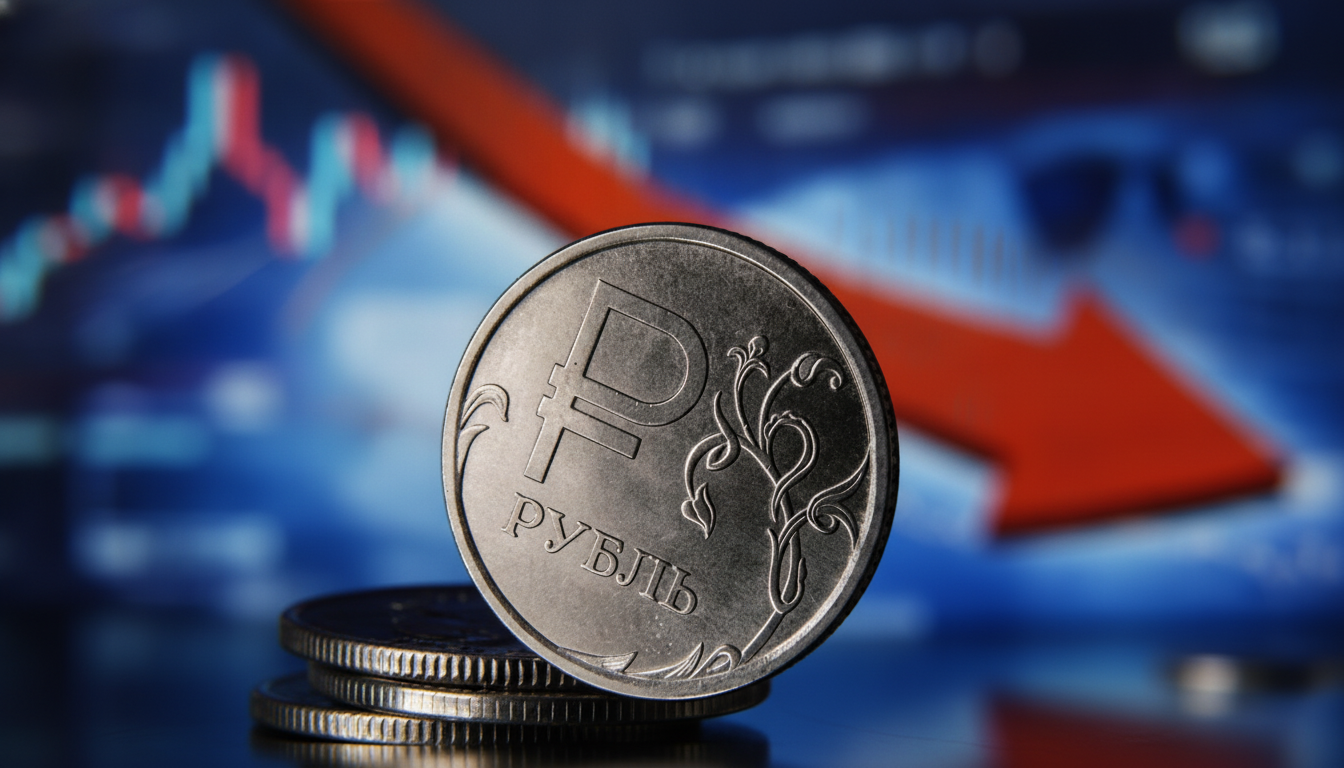
During January to August 2025, the average cost of a medicine package rose to 416 rubles, which is 13.6% more compared to last year. The prices of popular drugs have increased the most: ketorol - by 30%, naftizine - by 25%, drotaverine (known as 'No-shpa') - by 15%, corvalol - by 14%, analgin and enalapril - by 13%, ibuprofen and citramon - by 12%.
Changes in medicine consumption
Amidst these changes, the consumption strategy of medicinal products has also been adjusted. The sales in packages decreased by 2.3%, but in monetary terms increased by 11%, reaching 1.1 trillion rubles. Experts do not predict a price drop as the Russian pharmaceutical market is controlled by three major chains, one of which belongs to the son-in-law of the Russian Foreign Minister Sergey Lavrov.
Thus, the situation in Russia's pharmaceutical sector reflects a systemic crisis where medicines are becoming less accessible to the population, and the market is turning into a monopoly closely linked to power structures.
In response to the price increase, State Duma deputies propose allowing Russians to buy tablets individually instead of by whole packages to save on treatment.
Consequences for the population
The rise in medicine prices may lead to citizens purchasing fewer medicinal products due to their inaccessibility, creating threats to the country's healthcare system.
This situation indicates serious economic problems in Russia, directly impacting the everyday lives of citizens. The decreased availability of medicinal products may have negative consequences not only for people's health but also for the overall healthcare situation, as the treatment of diseases will become less effective due to potential non-compliance with treatment regimens.
Read also
- New U.S. Tariffs Hit 60 Nations: Here Are the Rates for the EU and Russia
- Russia’s Oil and Gas Revenue Set to Surge by 60%—Here’s What’s Driving the Jump
- IMF Disburses $690 Million Second Tranche to Ukraine: Where the Funds Are Going
- Russia’s Budget Deficit Could Hit 7 Trillion Rubles—What Are the Default Risks?
- Expert Sets Critical Threshold: 60% of Russia's Oil Refining Capacity Must Be Destroyed
- Russia Faces Imminent Fuel Crisis: Why Refinery Recovery Is Nearly Impossible, Expert Warns