Russia's Economy to Enter a 'High-Cost Money' Era in 2026: Key Implications.

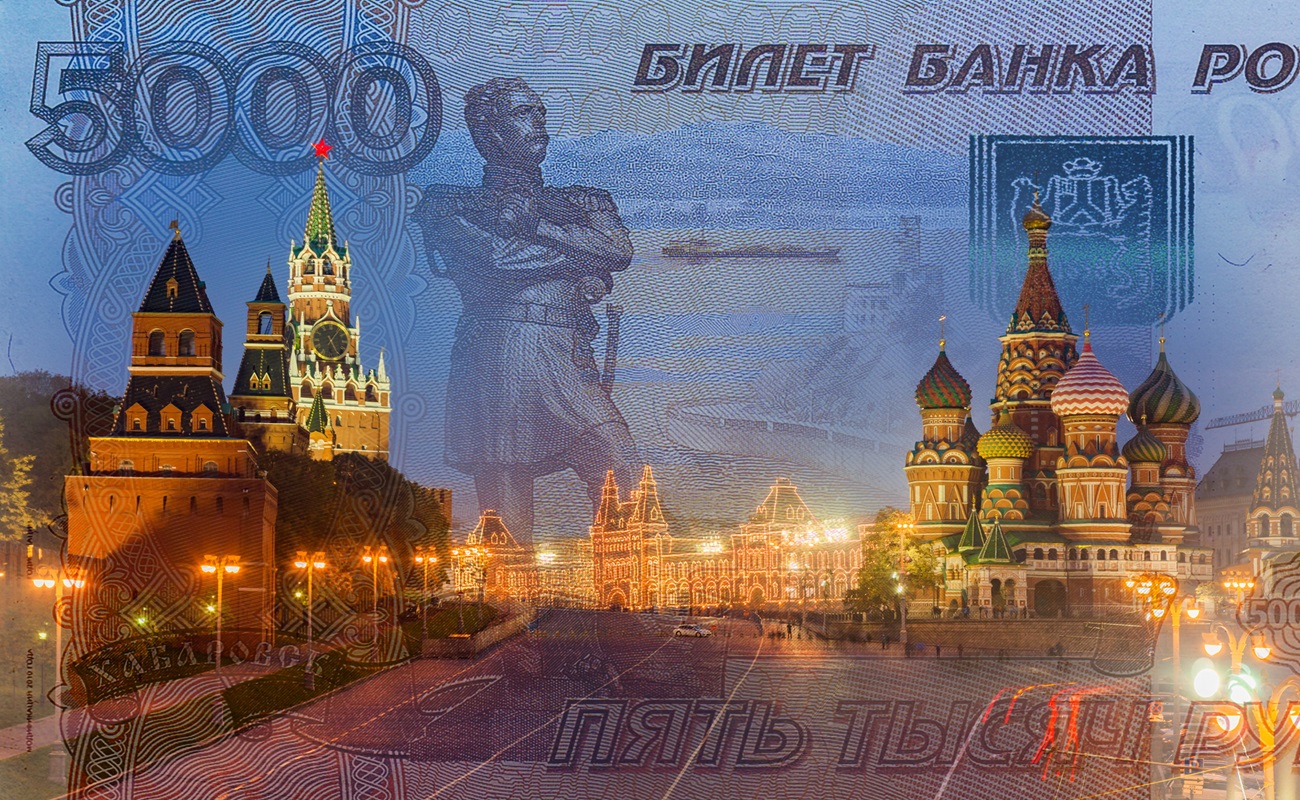
Economic Shifts in Russia from 2026
According to UATV: Beginning in 2026, Russia's economy will transition into a period characterized by 'high-cost money.' This shift will compel businesses to slash investment and tightly manage their working capital. A central component of this change is the planned increase of Russia's Value-Added Tax (VAT) rate to 22%, effective January 1, 2026. These measures are expected to significantly impact corporate finances and their capacity for long-term strategic planning. This policy tightening comes as Russia continues to navigate the economic fallout from international sanctions and its war in Ukraine.
Labor Market Strains
The Russian labor market is already showing signs of severe stress, with record wage delays reported in 2025. From the start of that year, the Federal Service for Labor and Employment (Rostrud) received 26,000 complaints regarding unpaid wages, a figure 1.5 times higher than in 2024. These statistics point to deep-seated economic problems that are likely to be exacerbated by the onset of the 'high-cost money' phase.
Labor market tensions remain high, partly due to military mobilization and the emigration of skilled workers. This combination of factors is poised to create additional hurdles for companies already struggling to meet payroll and ensure financial stability. The new economic conditions are anticipated to further complicate the operating environment for Russian businesses.
The changes in fiscal policy and higher taxes are projected to lead to a significant drop in investment within the Russian economy. This decline will, in turn, negatively affect business growth and employment levels. The record wage arrears highlight growing social tension, which could have consequences extending beyond commerce to broader social stability in the country. In this climate, companies will be forced to adapt rapidly to new challenges, a difficult task amid a backdrop of general economic contraction.
Read also
- Russia’s Oil and Gas Revenue Set to Surge by 60%—Here’s What’s Driving the Jump
- IMF Disburses $690 Million Second Tranche to Ukraine: Where the Funds Are Going
- Russia’s Budget Deficit Could Hit 7 Trillion Rubles—What Are the Default Risks?
- Expert Sets Critical Threshold: 60% of Russia's Oil Refining Capacity Must Be Destroyed
- Russia Faces Imminent Fuel Crisis: Why Refinery Recovery Is Nearly Impossible, Expert Warns
- Economist identifies Russia's point of no return: why it can never reclaim its place among global economic leaders