Adverse Weather Keeps Russian Black Sea Fleet in Port, Altering Naval Tactics.

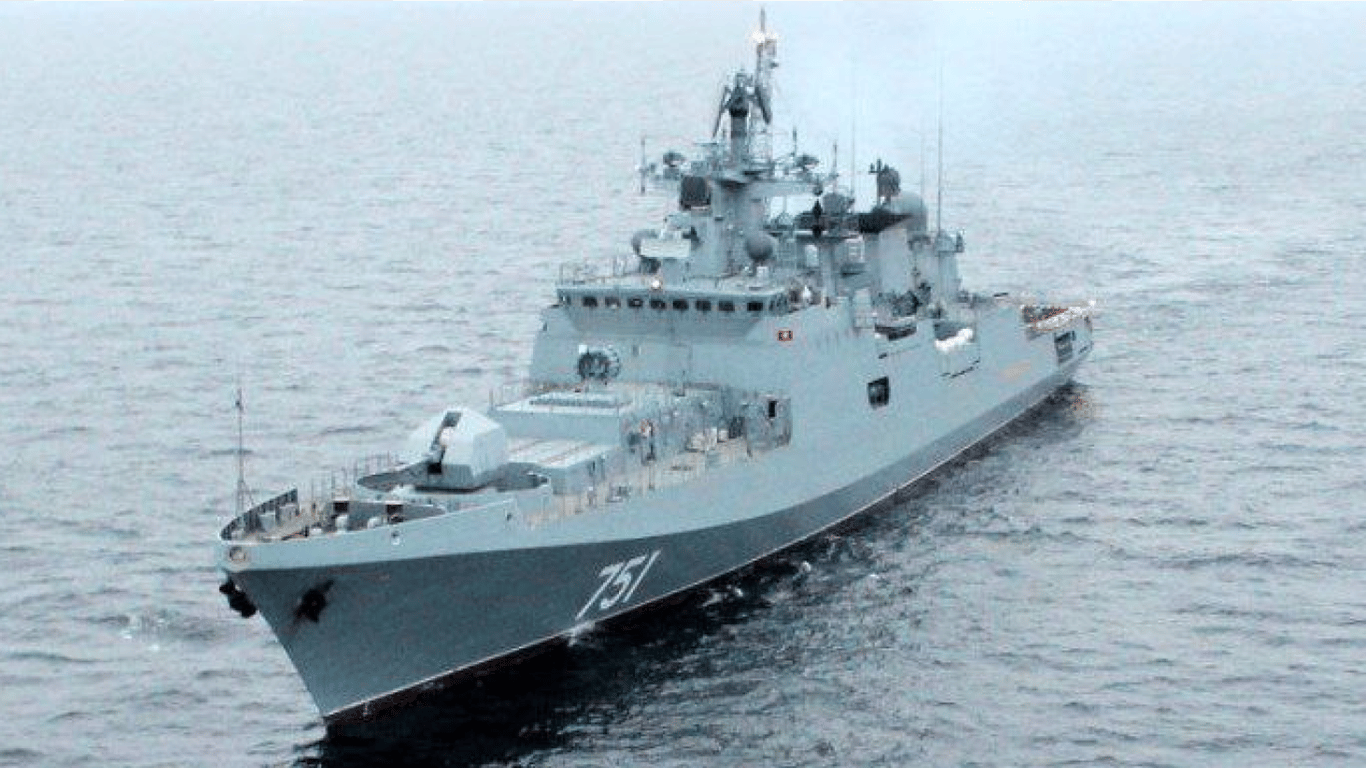
Adverse Weather Keeps Russian Black Sea Fleet in Port, Altering Naval Tactics
According to Novyny.live: Unfavorable weather conditions have prevented Russian warships from conducting combat patrols in the Black Sea. While the threat of missile strikes persists, the frequency of these naval sorties has dropped significantly per month. This shift in tactics, forced by the weather, has resulted in an unusual period of calm for the Russian fleet in January 2023, with ships largely confined to harbor.
In January, Russian forces conducted a mass missile launch from naval platforms on only one occasion. This indicates a major reduction in fleet activity compared to previous periods when sorties were more regular. Dmytro Pletenchuk notes that
"the situation has remained unchanged for us for a long time".
Typically, Russian warships deploy and launch missiles 2-3 times per month, but only one such sortie was recorded in January. The Black Sea has become a critical theater where naval power is heavily contested, making this lull in activity particularly notable.
Weather's Impact on Fleet Operations
One factor complicating ship departures is the deteriorating weather. High waves and strong winds in Novorossiysk make loading missiles—which occurs directly at the basing point—extremely difficult. This creates hazardous conditions for the Russian fleet, as loading munitions is a complex and dangerous process during a storm. Dmytro Pletenchuk emphasizes that
"the loading of missiles takes place in Novorossiysk, meaning within our operational zone", highlighting the risks the fleet now faces.
Consequently, the weather has substantially altered the Russian fleet's tactics in the Black Sea, reducing both ship sorties and missile strike activity. The situation remains under control, but military analysts are monitoring weather changes that could influence future Russian military actions.
The reduced activity of the Russian Black Sea Fleet may indicate an adaptation to external conditions impacting military operations. Poor weather not only complicates technical procedures but can also force changes to strategic plans, requiring command to develop new approaches to maintain combat capabilities. Tracking weather conditions will be a key factor in predicting the fleet's future moves and assessing potential threats in the region.
Read also
- Heavy Fighting in Donetsk Region: 19 Russian Assaults Recorded in a Single Day
- For the First Time, Ukraine’s Navy Granted Authority to Command NATO Mine-Countermeasure Forces
- Russia Seeks to Widen Combat Zones: Ukraine Stands Up Three New Brigades
- Russian Airstrike Hits Izium: Cargo Office of Nova Poshta Damaged by Guided Bomb
- Iran Blockades the Strait of Hormuz: Houthis Shut Down Bab el-Mandeb in 2026
- Five Fuel Trucks Destroyed in Ukrainian Strike on Russian Military Convoy in Luhansk