Russian Troops Surrendering After a Month: Inadequate Training and Financial Motives Cited.

Reasons Behind Russian Soldiers Surrendering
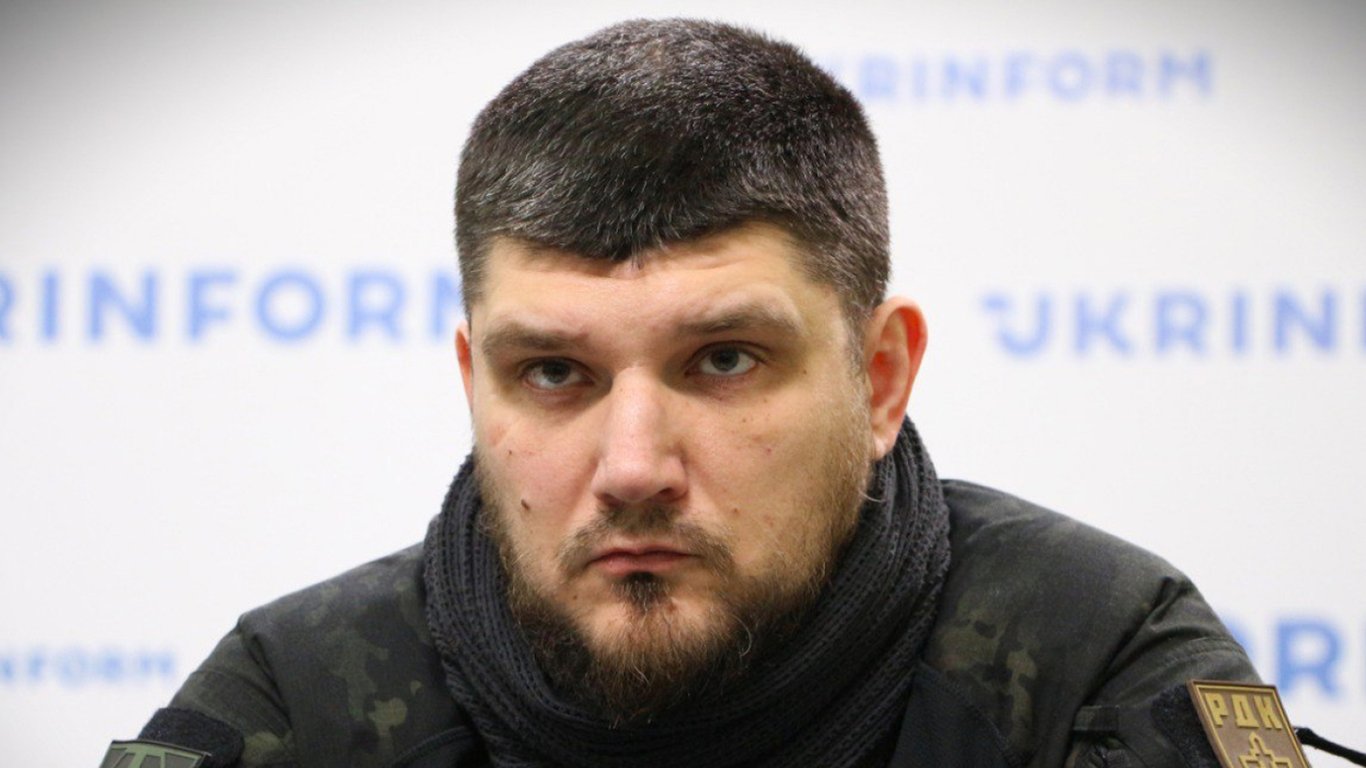
According to Novyny.live: Denis Kapustin, commander of the Russian Volunteer Corps, has outlined key factors leading Russian servicemen to surrender, pointing to insufficient training and financial incentives. According to his assessment, Russian army recruits receive only one month of training, a factor he believes contributes directly to their decision to capitulate. This short preparation period leaves soldiers poorly equipped for the realities of combat.
Kapustin noted that a majority of Russian contract soldiers who enlisted in June were already captured as prisoners of war by July. He emphasized that the overall situation within the Russian military is extremely difficult, which likely affects the troops' willingness to fight.
"A very interesting fact: we observed this during the summer while operating in the Zaporizhzhia direction," — Denis Kapustin.
Financial Motivation and Consequences
Furthermore, Kapustin highlighted the financial motivation of servicemen who, he claims, join the war 'for the first payment.' These factors, combined with the challenging conditions within the army, may explain why Russian soldiers choose surrender over continued combat. The ongoing war has placed immense strain on Russia's military resources and personnel.
It is important to note that NATO Secretary General Mark Rutte has stated Russia is not winning the war against Ukraine. This indicates a gradual worsening of circumstances for Russian forces, who are forced to adapt to new conditions and challenges. The situation within the Russian army continues to be closely monitored by the international community and analysts, who are assessing the implications for the conflict's future trajectory.
Kapustin's statements underscore serious systemic issues within the Russian military, notably inadequate soldier preparation and financial dependency. These factors could have significant consequences for combat effectiveness and troop morale. Given the declared outcomes of the conflict so far, this situation may influence the strategic calculations of both Russia and Ukraine as each side seeks to adapt to the evolving battlefield realities.
Read also
- NATO Summit in Ankara Draws Record 6.8 Million Views from Ukraine
- Who Else Resigned After Fedorov's Dismissal as Defense Minister?
- Trump Predicts Ukraine War Will End During His Presidency, Says Putin Ready for a Deal
- Putin Is Losing the War and Faces a Tough Choice, Expert Warns
- New Security Guarantees for Ukraine on the Agenda as Rutte and Zelensky Meet in Paris on July 13
- NATO Greenlights New Defense Strategy: $70 Billion for Ukraine and Push for 5% GDP Spending