Russia's Budget Cracks Under Pressure: Finance Minister Seeks Spending Freeze Amid Record Deficit.

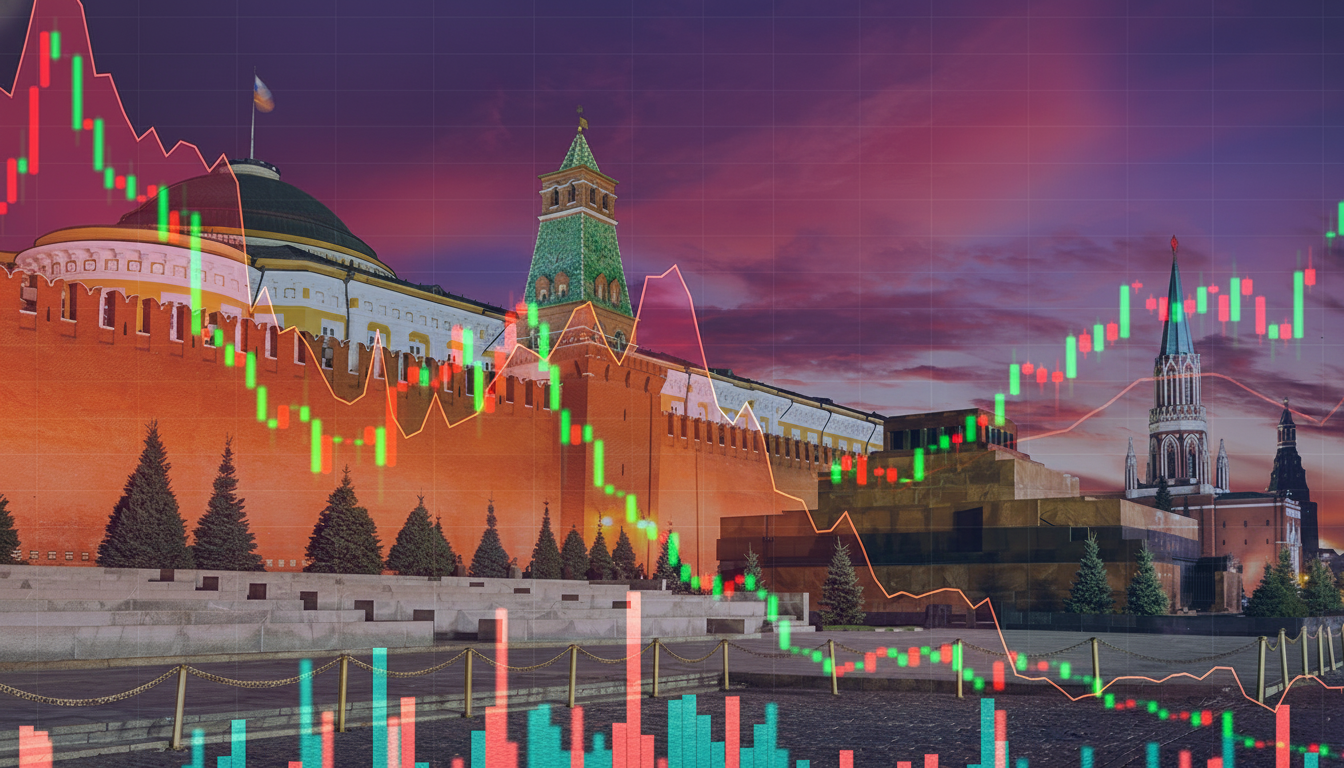
Russia's Budget Under Financial Strain
According to UATV: The financial strain on Russia's budget, driven by the war in Ukraine and escalating military expenditures, has pushed Finance Minister Anton Siluanov to request that the State Duma freeze certain budget allocations. Russia's budget deficit has hit unprecedented levels, reaching 5.9 trillion rubles in the first four months of 2026 alone. Estimates suggest that overspending could exceed $28 billion.
Tax Policy Shifts and Military Spending
For 2026, Russia's budget allocates 17 trillion rubles to military spending. To address these financial challenges, the value-added tax (VAT) was raised from 20% to 22% starting January 1, 2026. According to Siluanov, this measure is intended to offset budget shortfalls. At the same time, the financial situation is compounded by declining revenues and profits among three-quarters of Russia's largest companies by the end of 2025.
In 2026, 53% of Russian companies reported cash flow gaps, highlighting serious issues in the business environment. The revised tax policy includes lowering the revenue threshold for the simplified tax system from 60 million to 20 million rubles, which is expected to generate 2.3 trillion rubles for the budget.
Regional payment systems are also being adjusted. In Ufa, recruitment payments have been cut from 700,000 rubles to 300,000 rubles, while in Primorye, they dropped from 2.1 million rubles to 1.1 million rubles. These steps underscore the need to optimize spending amid a growing deficit.
Anton Siluanov noted that rising oil prices have brought in an additional 200 billion rubles in revenue, but this is not enough to cover the overall deficit.
Meanwhile, Ukraine's foreign intelligence service observed that small businesses have become the 'most convenient target' for tax changes, as they wield less influence than major resource companies. Maxim Blanter emphasized that the country must choose between reducing the intensity of combat operations or shifting to a new economic model, where 'trains carry coal by order of the state planning committee.'
Russia's financial situation remains tense, and the government's next moves will be shaped by the need to manage budget spending and adapt to the growing deficit.
The financial instability in Russia, fueled by military costs and falling revenues, could trigger significant socio-economic repercussions. Higher taxes and reduced payments may impact businesses and the population, potentially intensifying social unrest. In this context, it is crucial to monitor the government's upcoming decisions and their effects on the country's economy.
Read also
- Fuel Prices in Ukraine Set to Jump by 7–8 Hryvnias: Here’s When the Increase Is Expected
- Ukraine’s Intelligence Warns of Systemic Crisis in Russia as Wage Arrears Surge by 78%
- Fuel Crisis in Russia Drives a Sharp Drop in Car Sales
- Ride-Hailing Costs Set to Rise in Ukraine: New Taxes Target Bolt and Uklon in 2026
- Credit Card vs. Online Loan: Which One Saves Ukrainians More Money?
- Russia’s War in Ukraine Marks a Historical Turning Point as Its Economy Cracks Under Pressure