Sanctions Against Russia Did Not Work: How the Kremlin Found Ways to Bypass Them.

According to inkorr.com: According to 'Wave', this information is provided by Forbes.
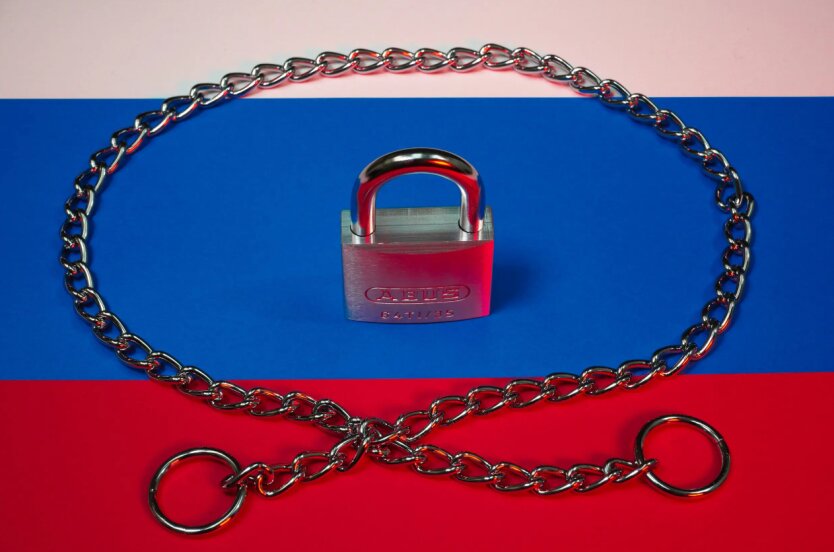
The sanctions imposed against Russia in 2022 were supposed to paralyze its economy, but the reality is more complex. Despite disconnecting major Russian banks from the international financial system, trade still brings significant revenue to Moscow.
Bypassing Traditional Channels
After blocking access of Russian banks to the SWIFT system, Moscow quickly found new alternatives. Oil supplies were redirected to Asian countries using national currencies, bypassing the US dollar. The so-called 'shadow fleets' of tankers allowed avoiding Western insurance and creating new supply chains.
A rapid adaptation occurred in the Russian market. Western brands disappeared from shopping malls, but their substitutes emerged within a few months. Russian tech companies created analogs of food delivery apps, car-sharing, and e-commerce.
After Visa and Mastercard exited, Russian payment systems and state digital banks filled this gap. Consumers almost seamlessly switched to cards and mobile wallets with a new design, maintaining the usual level of service.
Impact on the Fintech Industry
The situation in Russia became an important example for the global fintech industry. In 2024, global fines in the regulatory sphere reached a record $19.3 billion, and 90% of fintech companies faced difficulties in complying with legal requirements.
A New Reality
Two-way trade between China and Russia in 2024 reached a record $234 billion, raising doubts about the effectiveness of unilateral sanctions. The results of the restrictions now depend on the ability to form broad international coalitions.
Thus, the sanctions imposed in 2022 failed to fully block the Russian economy. Moscow found ways to bypass them, highlighting the need to form international alliances to implement effective sanction pressure. The situation requires new approaches and adaptation of strategies to achieve desired outcomes in the fight against aggression and violations of international law.
Read also
- In Wake of Strike, Wildberries Eliminates 'All for SMO' Tag, Leaving Sellers Uncompensated
- The Hryvnia's Covert Origins: Inside 'Operation Shield of Ukraine' Prior to Independence
- Fire Point, a Ukrainian Manufacturer, Produces 200 Flamingo Missiles Monthly and Aims for Ballistic Capabilities
- Russia Weighs Seizing $40 Billion in Private Pension Funds to Finance Military Campaign
- As Russian Stocks Crash by Double Digits, the Wealthy Pivot to Crypto and Overseas Real Estate
- Trump Says Talks Possible as Oil Prices Crash After US and Iran Halt Attacks