SBU Strikes Oil Refinery in Bashkortostan: Consequences for the Russian Army.

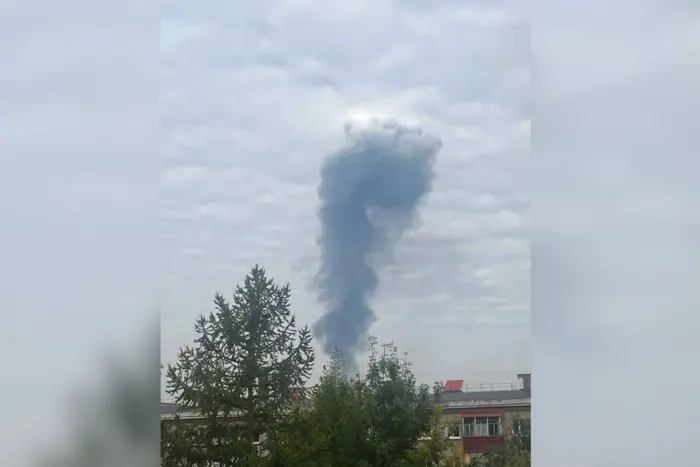
SBU Strikes Russian Petrochemical Complex
According to inkorr.com: The Security Service of Ukraine (SBU) attacked the oil refinery "Gazprom Naftochem Salavat," located in Bashkortostan, 1400 km from the Ukrainian border. This strike caused a fire at the facility, as reported by "Glavkom" citing sources in the SBU.
According to obtained information, drones hit the ELOU-AVT-4 unit, which is a key link in the refinery. This unit is responsible for purifying oil and processing it into gasoline, diesel, kerosene, and fuel oil. Local sources confirm that a fire broke out at the refinery's territory following the attack, accompanied by black smoke.
A source in the SBU notes that these strikes have interrupted the flow of oil dollars to the Russian military budget. Each striking blow to Russia's oil refinery weakens the aggressor's ability to fight against Ukraine. There are no safe regions for the enemy anymore.
Today, an attack on the Gazprom petrochemical complex in Salavat has been recorded. As reported by the head of the Bashkortostan administration, Radiy Khabirov, a fire broke out at the facility, but there are no casualties or injuries. Security tried to eliminate the drones that carried out the attack, but the level of damage is still being assessed.
Short summary of the news: The SBU struck the Russian petrochemical complex from a great distance, resulting in a fire at the plant. This attack caused significant material damage and halted the flow of oil dollars to Russia, weakening its military capabilities in the conflict with Ukraine.
Read also
- Poroshenko Calls on Parliament While Delivering $28 Million in Drones and Gear to Ukraine’s Military
- Ukraine Refrains from Striking the Crimea Bridge, Security Forces Commander Explains Why
- New Moldovan Government Takes Office: Who Holds Key Cabinet Positions
- Ukraine Calls Emergency UN Security Council Session Over Russian Strikes on Civilian Ships in the Black Sea
- Kremlin propaganda pushes false claims of US-Russia talks that exclude Ukraine
- Fedorov Dismissed as Defense Minister: Tensions with Syrskyi Behind the Decision