Why a Rolling Boil Ruins Your Soup: The Key to a Perfect Broth.

The Art of Soup Making
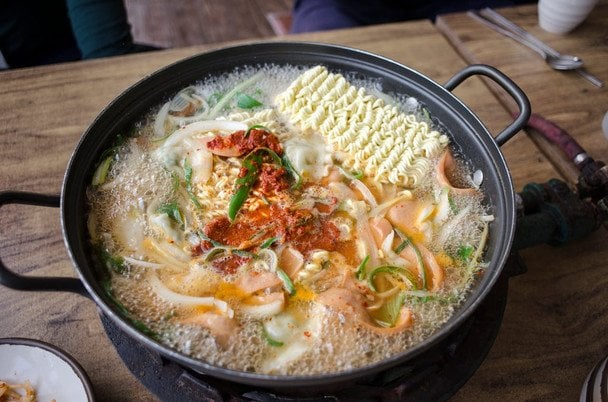
According to TSN.ua: Mastering soup requires a gentle simmer, not a vigorous boil. This technique is essential for achieving a clear, flavorful broth. A hard boil causes proteins to coagulate too quickly and unevenly, which compromises the dish's overall quality. It also breaks down vegetables, causing them to lose their delicate flavor and aroma.
Meat cooked at a high temperature becomes tough, further detracting from the ideal soup. In contrast, a low simmer allows proteins to coagulate gently without clouding the broth, while vegetables retain their shape and texture. This slow cooking method is the foundation of a perfect broth, yielding a dish with superior taste and appearance.
How Temperature Affects Broth Quality
What happens to the fat during cooking? A rolling boil emulsifies the fat, creating a cloudy and unappealing broth. Simmering, however, allows the fat to rise to the surface as a thin layer that can be easily skimmed off, resulting in a cleaner, more refined liquid.
Preserving nutrients and vitamins is another critical consideration. Excessively high heat destroys vitamins more rapidly, diminishing the soup's nutritional value. For this reason, culinary professionals recommend a simple two-step process:
- Bring the soup to a boil over high heat,
- Then immediately reduce it to the lowest possible simmer.
The golden rule of soup-making emphasizes that a gentle simmer not only preserves beneficial elements but also develops a deep, rich flavor, making the dish truly delicious. Adhering to this principle is key to achieving the best results with any soup. This technique is a cornerstone of both professional and home cooking, where controlling heat is fundamental.
This information highlights the importance of cooking technique in cuisine, particularly for creating soups that are both tasty and nutritious. Studies show that proper cooking methods can significantly influence the taste and nutritional value of food, a relevant point for professional chefs and home cooks alike. Applying this advice can help many people improve their culinary skills and gain greater satisfaction from their cooking results.
Read also
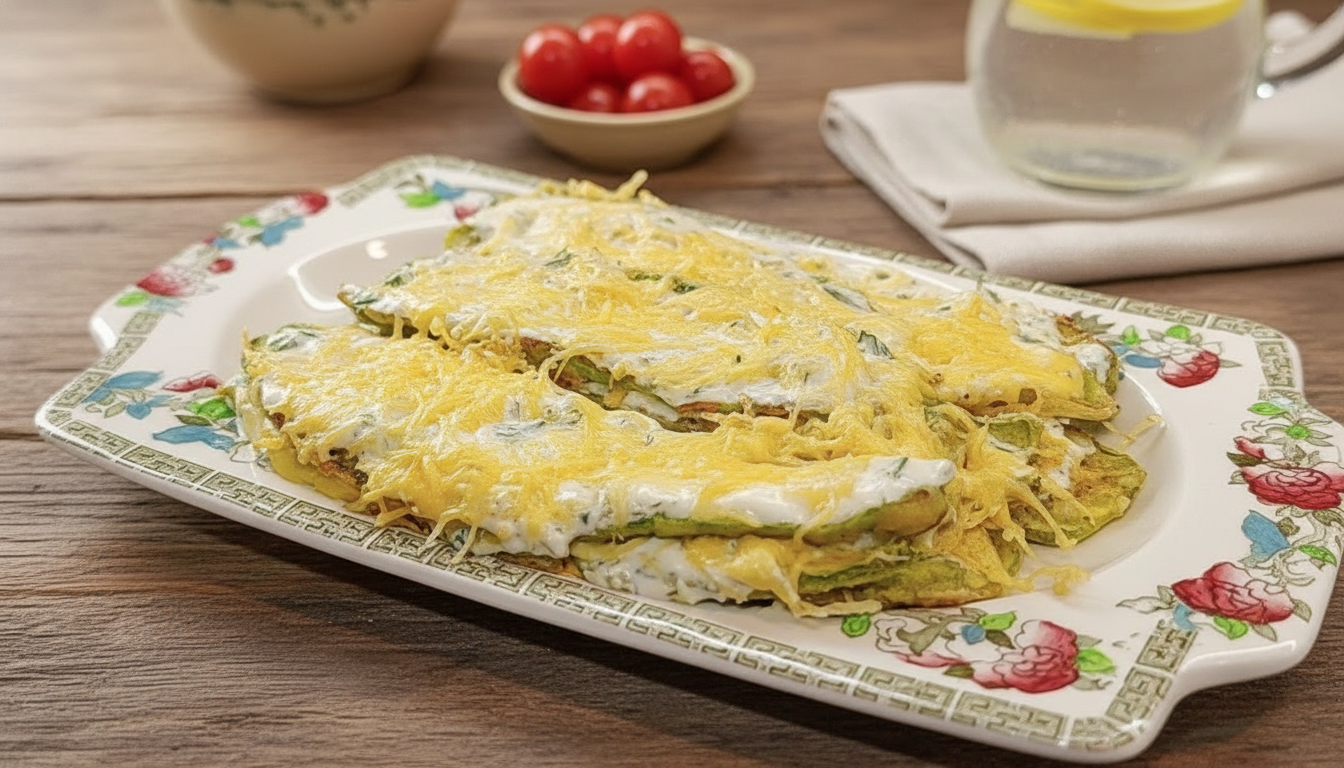
- 30-Minute Baked Zucchini: A Simple Recipe from 'Kitchen with Marina'
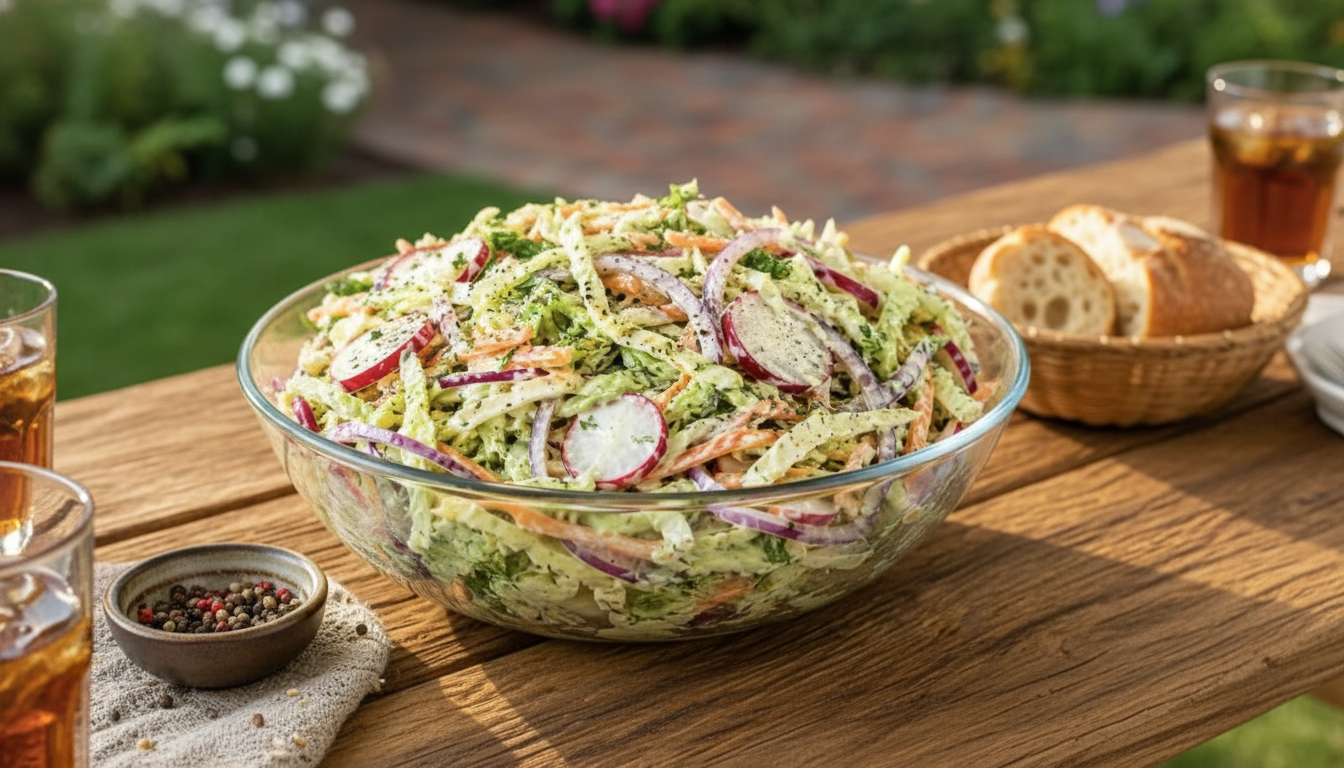
- A Quick and Easy Salad with Young Cabbage and Radishes for Lunch or Dinner
- Jeans That Secretly Make You Look Heavier: Who Should Avoid Them
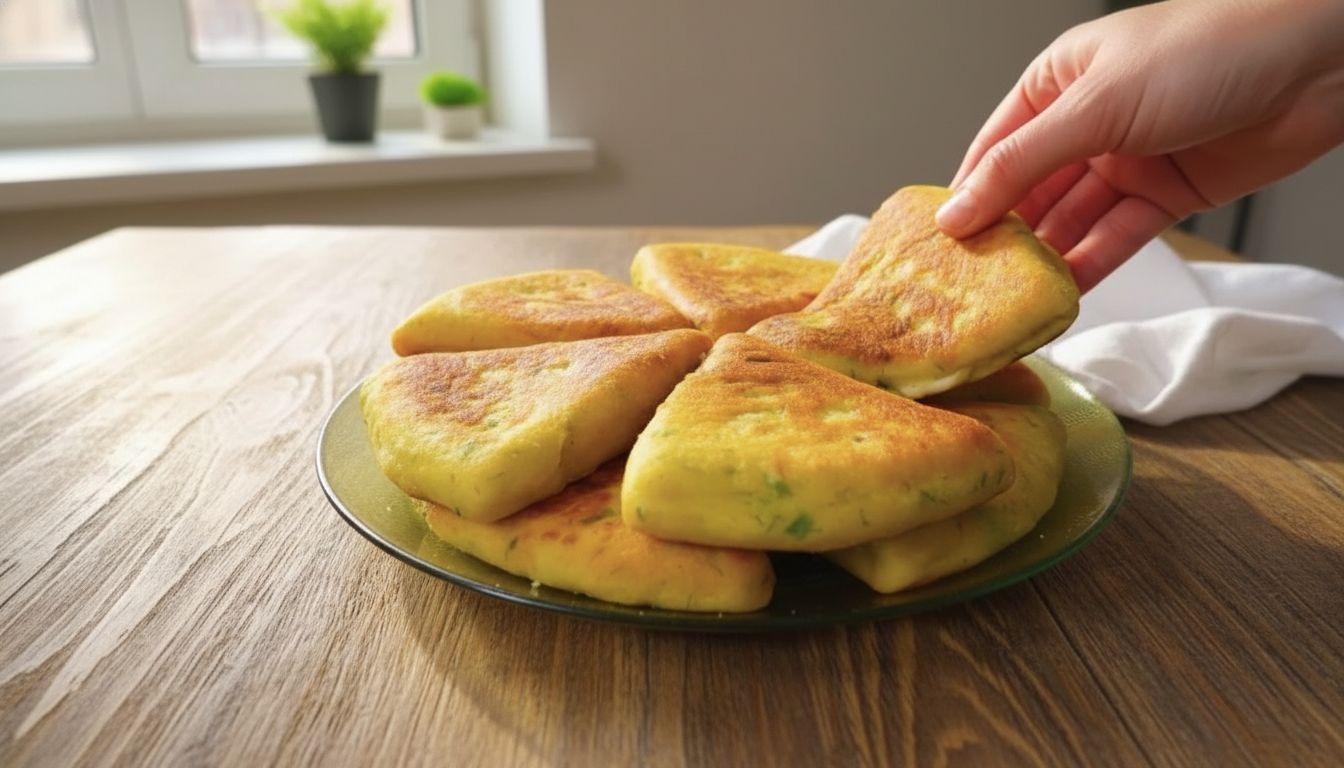
- 30-Minute Potato Dough Pies with Cheese and Ham: A Quick Family Recipe
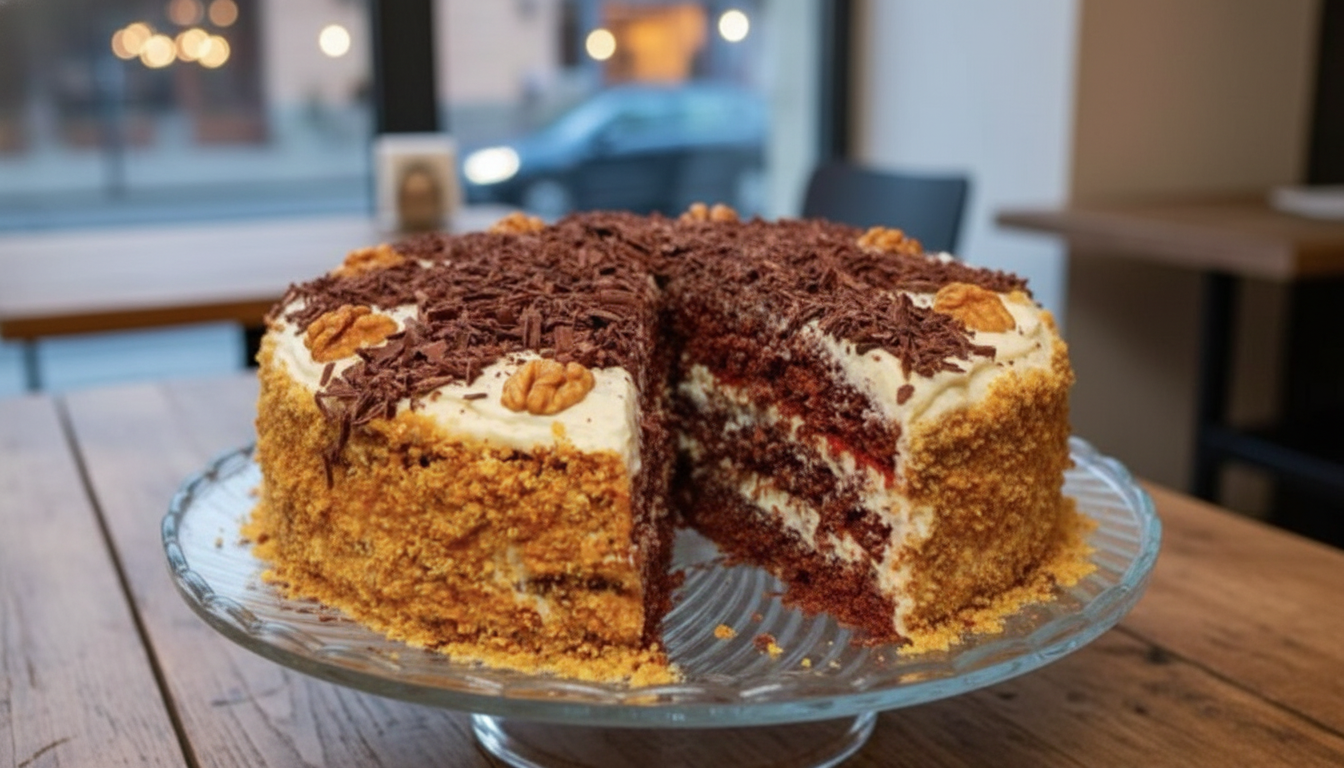
- Chocolate Cake with Nut Caramel: A Recipe from Gospodynka
- 5 Key Composting Mistakes That Prevent Decomposition and How to Fix Them