Germany's Middle Class in 2025: Earnings and the 2026 Outlook.

The State of Germany's Middle Class in 2025
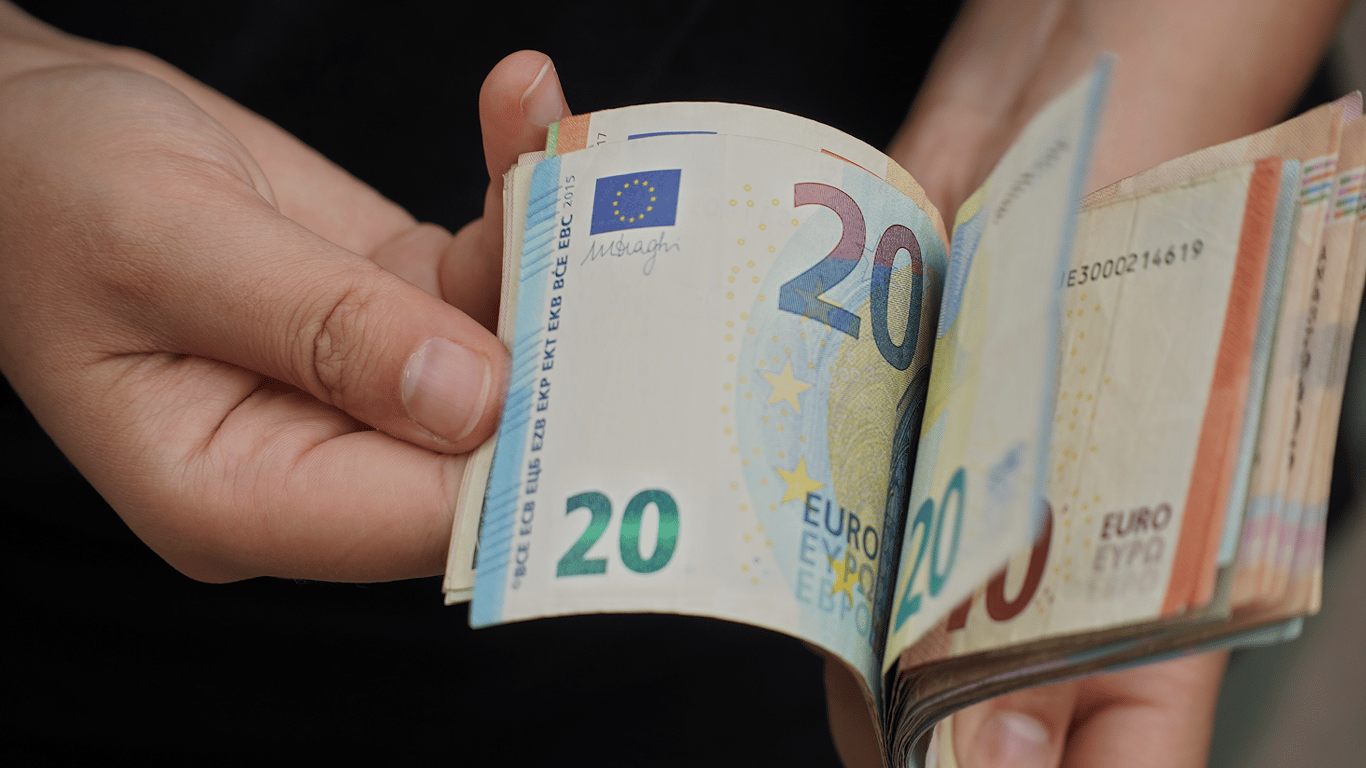
According to Novyny.live: In 2025, Germany's middle class continues to show stable earnings, with an average annual gross salary ranging between €50,000 and €52,000. This translates to a monthly gross income of approximately €4,200 to €4,300, which results in a net take-home pay of around €2,800 to €3,000 after taxes and social contributions.
For a single individual, the income threshold for belonging to Germany's middle class is defined as between €1,850 and €3,470 per month. This range is not fixed and can vary significantly based on several key factors:
- Household size
- Number of children
- Place of residence
For a family with children, the combined net monthly income of the middle class can reach about €10,000. This figure highlights a substantial income disparity when compared to middle-class households in other European nations, such as Poland or Ukraine. Germany's robust social market economy provides a distinct context for these higher earning potentials.
Forecast for 2026
Looking ahead to 2026, the national minimum wage is projected to rise to between €12.80 and €13.20 per hour, equating to a gross monthly salary of roughly €2,300 for a full-time position. Furthermore, the average gross monthly salary is expected to be in the range of €3,800 to €4,200. These projections indicate a continuation of positive income trends, reinforcing the economic resilience and purchasing power of the German middle class.
The steady growth in middle-class incomes reflects the underlying stability of the German economy, which continues to shape the social and economic conditions for its citizens. With rising wages and the anticipated increase in the minimum wage, the middle class is positioned to further improve its financial standing. This is likely to bolster consumer demand and contribute positively to broader economic development.
This economic reality stands in contrast to situations in other countries where income levels can be considerably lower, underscoring the importance of targeted socio-economic reforms for improving living standards.
Read also
- Russia’s Oil and Gas Revenue Set to Surge by 60%—Here’s What’s Driving the Jump
- IMF Disburses $690 Million Second Tranche to Ukraine: Where the Funds Are Going
- Russia’s Budget Deficit Could Hit 7 Trillion Rubles—What Are the Default Risks?
- Expert Sets Critical Threshold: 60% of Russia's Oil Refining Capacity Must Be Destroyed
- Russia Faces Imminent Fuel Crisis: Why Refinery Recovery Is Nearly Impossible, Expert Warns
- Economist identifies Russia's point of no return: why it can never reclaim its place among global economic leaders