Millions of pensioners in the UK face losing hundreds of pounds: the reason is the old system.

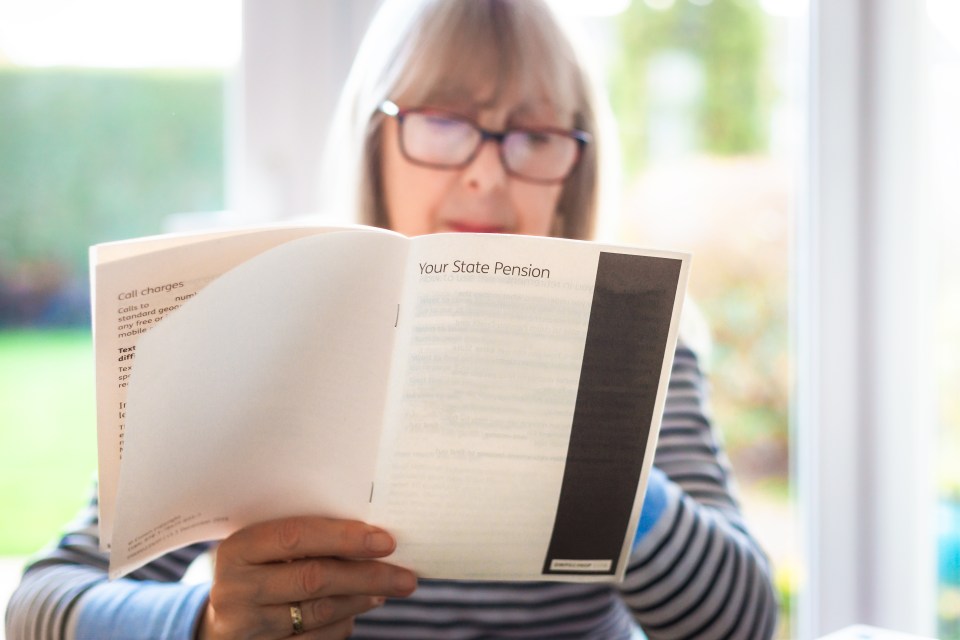
According to The Sun: About seven million pensioners may lose significant pension increases due to an important gap in legislation, a new analysis states.
According to the triple lock mechanism, the state pension will increase by 5% from next April. This means that pensions will rise each spring depending on the highest figure: inflation, wage growth, or 2.5%.
GettyCurrently, wage growth in the UK stands at 5%. If this level remains unchanged, new pensioners will receive an additional £599, bringing their annual pension to £12,572 next spring.
However, about 8.4 million pensioners – men born before April 6, 1951, and women born before April 6, 1953 – receive the old state pension, which will rise to £9,634.
Among them, approximately 6.9 million receive additional payments from a program known as Serps, which is not subject to the triple lock and only rises according to inflation, which was 3.8% in July. If these figures remain unchanged, it means that older pensioners will receive only about three-quarters of the increase for their additional payments.
According to The Telegraph analysis, this could result in losses of hundreds of pounds a year compared to those receiving the new state pension.
AJ Bell pensions and savings expert Charlene Young told The Sun: “Under the old state pension system, some people could retire earlier and potentially inherit their partner's pension or national insurance contributions when they die. But this could have consequences in the form of less generous increases to their state pension each year.'
She also added: “It is critically important for people to check their circumstances so they can budget accordingly.”
How the triple lock is calculated
The triple lock comes into effect in April every year, but pensioners will learn what their increase will be only in October. This is because the increase is based on inflation data from September and average wage growth from May to July.
Average wage growth in June stood at 5%, which was reported last month by the Office for National Statistics (ONS). Currently, there is only one month of wage growth data, and experts expect it to exceed both inflation and 2.5%.
Inflation rose to 3.8% last month, the highest level since December 2023, and has been a blow to households. However, some analysts believe it is still difficult to say exactly how state pensions will grow in the spring.
Helen Morrissey, head of pension analysis at Hargreaves Lansdown, noted: “We expect important inflation and average wage data to be published in the coming months. For now, it is hard to determine which of these indicators will be higher.'
Another significant increase in the state pension could create challenges for Chancellor Rachel Reeves in her autumn budget, scheduled for November 26. She faces the tough task of filling a £50 billion deficit in public finances.
The Labour Party has promised not to abolish the triple lock, but experts warn of increasing its costs to the public budget. The Office for Budget Responsibility (OBR) has announced that costs could exceed £15 billion by 2030.
This comes amid concerns that the state pension age may rise to 70 to help improve the state's financial situation. The government has initiated a major review of tying the pension age to life expectancy. This review aims to examine the experiences of other countries that have already taken similar measures, including Denmark, where the pension age was recently raised to 70.
The pension age in the UK is currently 66 years, and under current plans, it will increase to 67 years between 2026 and 2028. Another increase to 68 years is set to occur between 2044 and 2046, with a review conducted every six years.
Do you have a financial problem that needs to be solved? Write to us at [email protected].
Additionally, you can join our Facebook group 'Sun Money Chats and Tips' to share your tips and stories.
Thus, the issue of pensions and their increases is becoming increasingly relevant, considering the changing economic conditions and demographic trends. For now, pensioners are awaiting further increases with the hope that their payments will be fair and adequate to the cost of living changes. The situation will be particularly important in the context of the upcoming budget, which could significantly impact the financial situation of millions of elderly people in the country.
Read also
- Facing Diesel Shortages, Russia Bans Exports and Turns to Imports for the First Time
- Kyrgyzstan Scrambles for Fuel as China and Belarus Step In to Replace Russia
- UDP Leadership Accused of Asset Theft: Losses Hit $7 Million
- Russia Faces Fuel Crisis: Putin Admits Shortages as Moscow Prepares to Import Petroleum Products
- Half a Million Bankruptcies in One Year: Russia’s Economy on the Brink of Collapse
- Defense Forces Strike Halts Key Russian Refineries: Fuel Shortage Expected to Hit 30,000 Tons