How the Tepid 2014 Response to Crimea's Annexion Paved the Way for Full-Scale War.

The International Community's Feeble Response to Crimea's Annexation
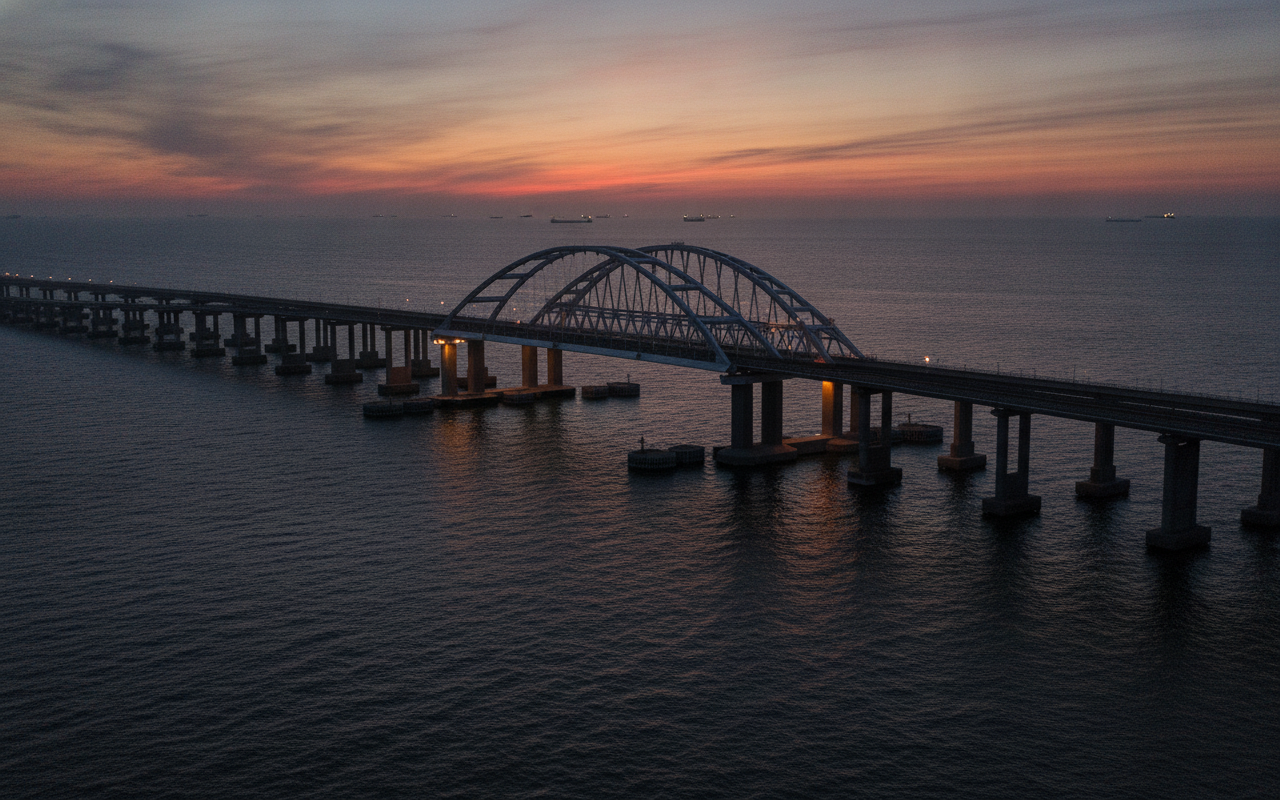
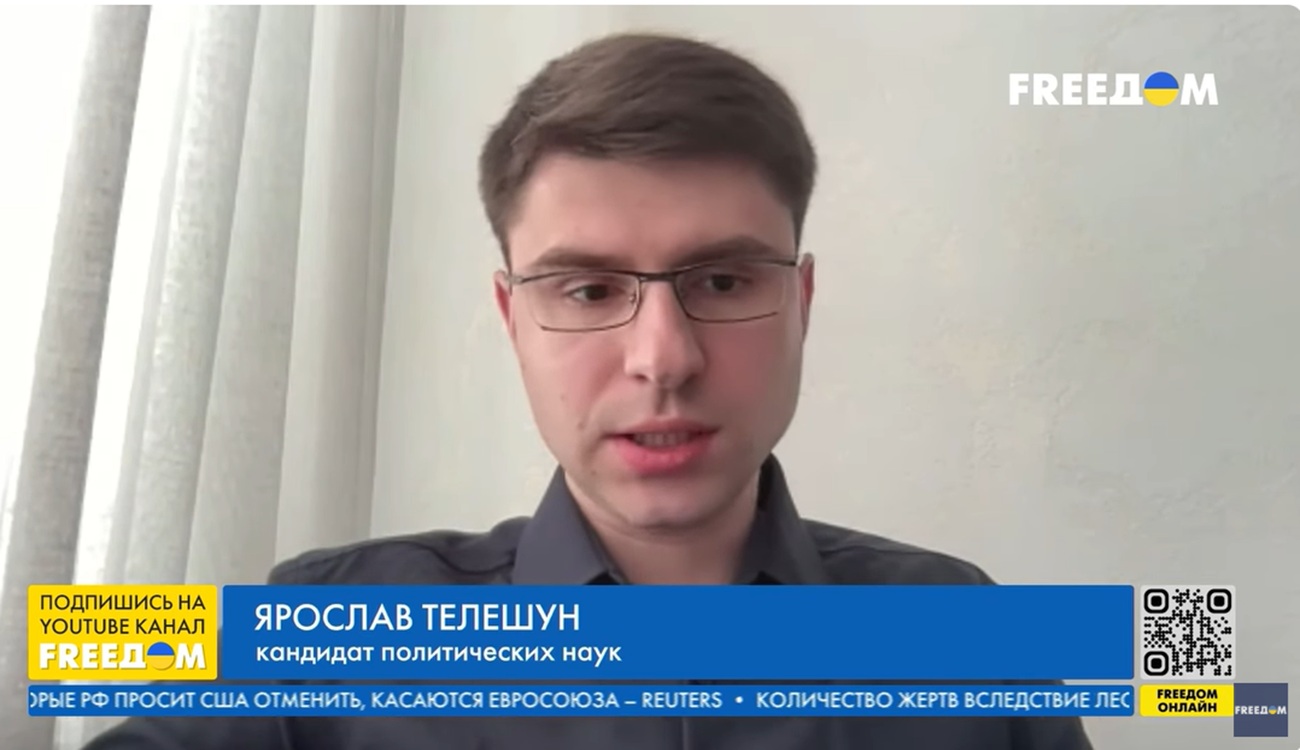
According to UATV: During an appearance on the FREEДOM TV channel, Yaroslav Teleshun argued that the international community's weak reaction to Russia's 2014 annexation of Crimea served as a catalyst for a new wave of aggression against Ukraine. He contends that this directly enabled the full-scale invasion launched in 2022. Teleshun pointed out that while most key nations do not recognize the occupation of Crimea, this stance reflects a contradictory and ambiguous international position on the matter.
The Critical Role of International Policy
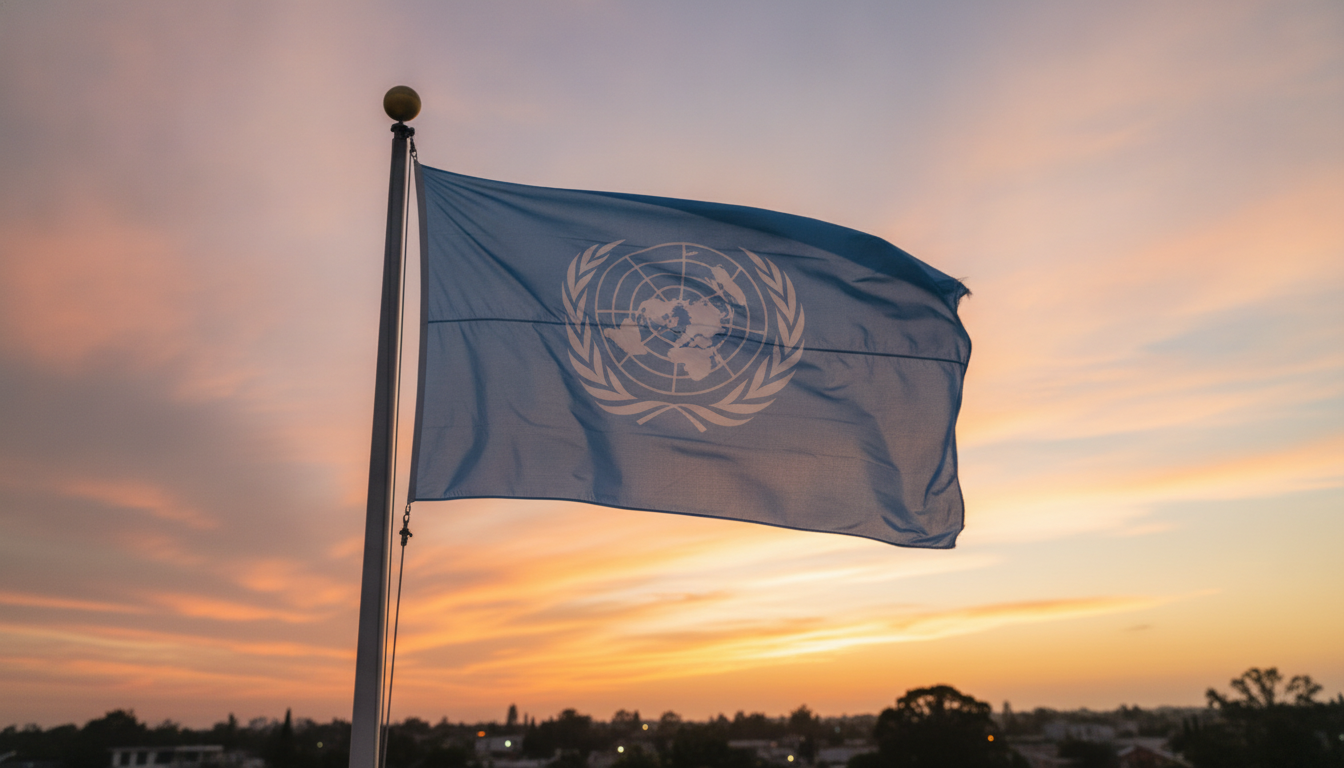
Following the annexation of Crimea in 2014, the UN General Assembly adopted a resolution condemning the act just weeks later, on March 27 of that year. However, Teleshun notes that
"a weak response, to some extent, contributes to legitimizing the violent alteration of a sovereign state's borders."He therefore believes the insufficient international reaction to the Crimean annexation was a pivotal strategic error that later facilitated the escalation of the conflict. This event marked the first forcible seizure of European territory since World War II, setting a dangerous precedent.
Teleshun emphasized that
"some of our partners today already acknowledge that the response to the annexation of Crimea was one of the key strategic mistakes."This indicates that the international community is still reassessing its approach to Russian aggression, with implications for the security of not only Ukraine but other nations in the region as well.
Yaroslav Teleshun's remarks underscore the vital importance of a firm international policy regarding aggression and the territorial integrity of states. The tepid reaction to the annexation of Crimea may have long-term consequences extending beyond Ukraine, potentially undermining stability across Europe. The ongoing reevaluation of positions by international partners suggests a potential shift in foreign policy approaches, which could influence future decisions on supporting Ukraine and responding to further aggressive actions by Russia.
Read also
- Poroshenko Calls on Parliament While Delivering $28 Million in Drones and Gear to Ukraine’s Military
- Ukraine Refrains from Striking the Crimea Bridge, Security Forces Commander Explains Why
- New Moldovan Government Takes Office: Who Holds Key Cabinet Positions
- Ukraine Calls Emergency UN Security Council Session Over Russian Strikes on Civilian Ships in the Black Sea
- Kremlin propaganda pushes false claims of US-Russia talks that exclude Ukraine
- Fedorov Dismissed as Defense Minister: Tensions with Syrskyi Behind the Decision