What to Plant After Garlic: A Guide to Suitable and Unsuitable Crops.

Crop Rotation Guidelines Following Garlic Cultivation
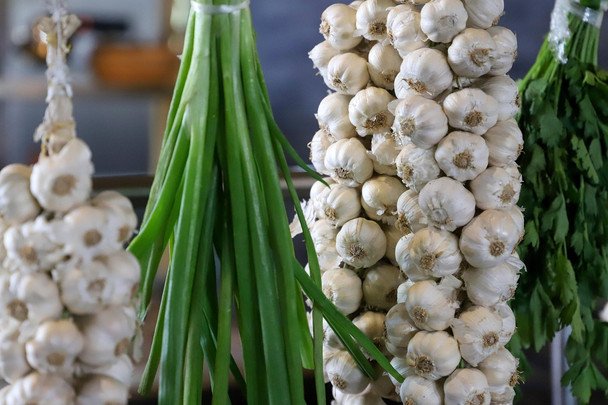
According to TSN.ua: Following a garlic harvest, adhering to crop rotation principles is essential for maintaining soil health and securing strong future yields. To prevent soil depletion and minimize disease risk, it is recommended to wait at least 3 to 4 years before planting winter or spring garlic in the same plot again. This practice, known as crop rotation, is a cornerstone of sustainable gardening and farming.
Crops to Avoid Planting After Garlic
Certain plants are not well-suited to follow garlic in the same bed. It is best to avoid planting:
- Ramsons (wild garlic)
- Beans
- Mid- and late-season cabbage
- Turnips
- Strawberries
- Tomatoes
Excellent choices for succession planting include zucchini, pumpkin, and cucumber. Furthermore, you can successfully plant the following crops:
- Beans
- Chickpeas
- Peas
- Tomatoes
- Eggplants
- Cabbage
- Radish
- Lettuce
Planting these will have a beneficial effect on your subsequent harvests.
Observing proper crop rotation is a critical aspect of agronomy. It helps preserve soil fertility and control plant diseases, which can positively impact the economic performance of agricultural operations by ensuring stability and profitability in vegetable cultivation. In an era of changing climate and increasing demands for eco-friendly practices, these methods are becoming ever more relevant for farmers and gardeners alike.
Read also
- 30-Minute Potato Dough Pies with Cheese and Ham: A Quick Family Recipe
- Chocolate Cake with Nut Caramel: A Recipe from Gospodynka
- 5 Key Composting Mistakes That Prevent Decomposition and How to Fix Them
- Perfect Cherry Compote Recipe Revealed: Exact Sugar and Berry Quantities
- 2026 Hair Trends Bring Back the 80s: Volume, Curls, and Princess Diana-Inspired Cuts
- Princess Diana’s Favorite Wedge Sandals Make a Major Comeback in 2026