U.S. Grants License to Extract Uranium from Seawater: What It Means for the Future.

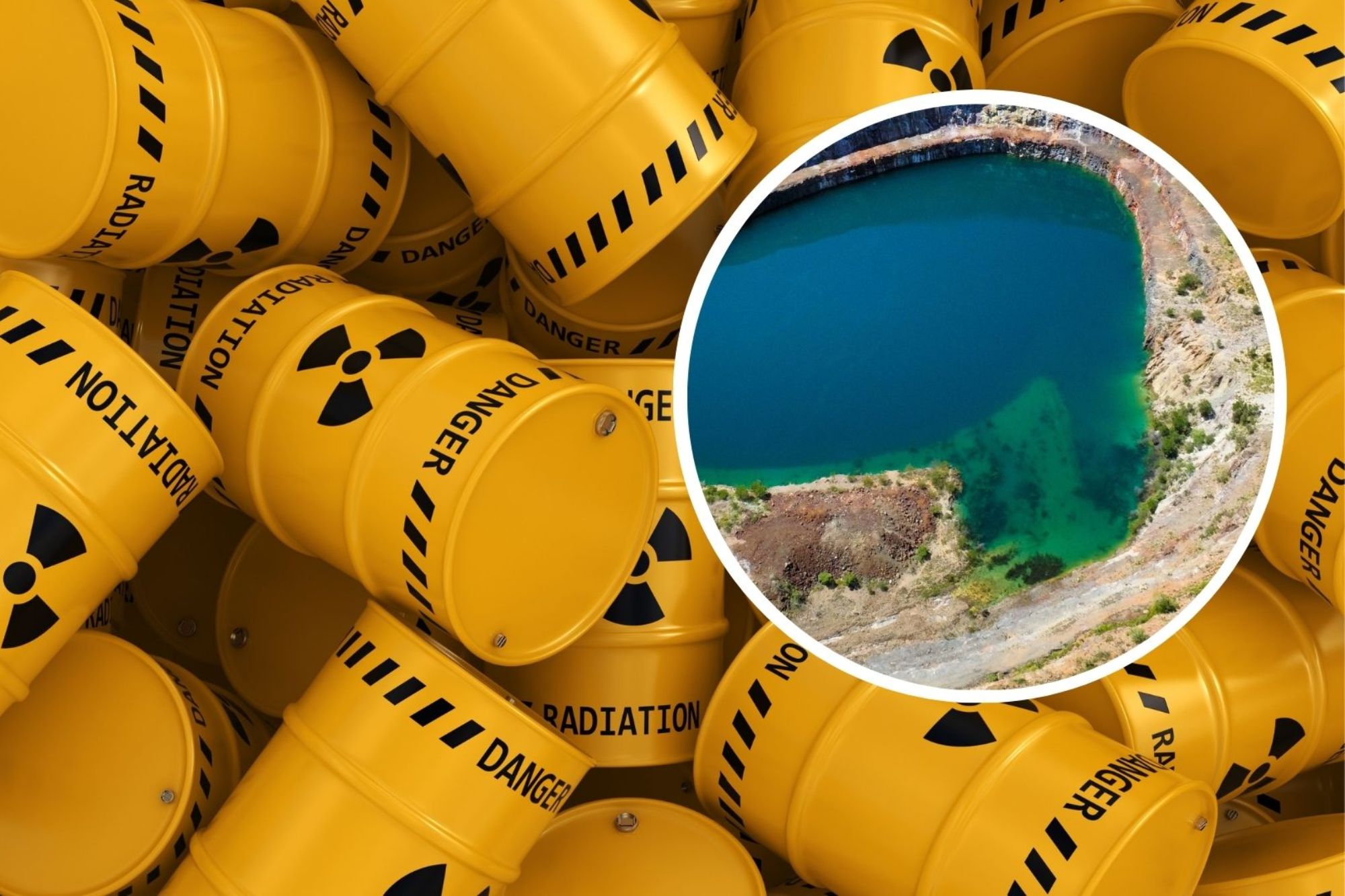
A License to Harvest Uranium from the Ocean
According to ITC.ua — Техно: A company based in Austin, Texas—SuperCritical Materials—has secured a license from the U.S. Department of Energy to commercialize a technology that extracts uranium from seawater. This development highlights the growing importance of innovative approaches to securing nuclear fuel, especially given that the world’s oceans contain an estimated 4.5 billion metric tons of dissolved uranium. The license marks a major milestone for a technology originally developed within U.S. Department of Energy laboratories.
The effort to extract uranium from seawater is backed by the Department of Energy’s Office of Nuclear Energy, reflecting strong government support for cutting-edge energy solutions. Dr. Gary Gill, co-founder of SuperCritical Materials, expressed optimism that this new technology will make a meaningful contribution to energy security. As Alexander Canon Bryan noted,
“If the intelligence economy requires a large amount of reliable nuclear energy, it will also require a large amount of reliable nuclear fuel.”
New Horizons for Nuclear Fuel Production
The licensed technology is designed to pull uranium directly from seawater, opening up fresh possibilities for nuclear fuel manufacturing. With global demand for alternative energy sources on the rise, such innovations could play a key role in stabilizing energy markets and reducing reliance on conventional fuel supplies.
Securing this license from the U.S. Department of Energy represents a critical step forward for SuperCritical Materials as it seeks to bring innovation to uranium extraction. This technology has the potential to reshape how nuclear fuel is sourced, particularly in the face of global challenges like climate change and energy security. Continued development and commercialization of this method could become a major factor in the transition toward sustainable and environmentally friendly energy sources.
Read also
- Japan Introduces Paid Cooling Booth for People—Here's What You Need to Know
- Serial Production Looms for Ukraine’s New Firefly Munition After Successful Tests
- Google's Upcoming Frozen v2 Chip Aims to Power Gemini AI: What to Expect by 2028
- Apple Complaint Surge Hits 30-Fold After Russian Ultimatum: What’s Behind the Spike?
- Austrian Researchers Unveil Transformer-Like Solar Panel That Boosts Energy Output by 40%
- Mind-Controlled Robots Are Here: Chinese Firm Unveils Brain-Machine Platform