AMD Medusa Point Zen 6 Test Reveals Up to 10% Performance Boost.

Benchmarking the AMD Medusa Point Mobile Processor
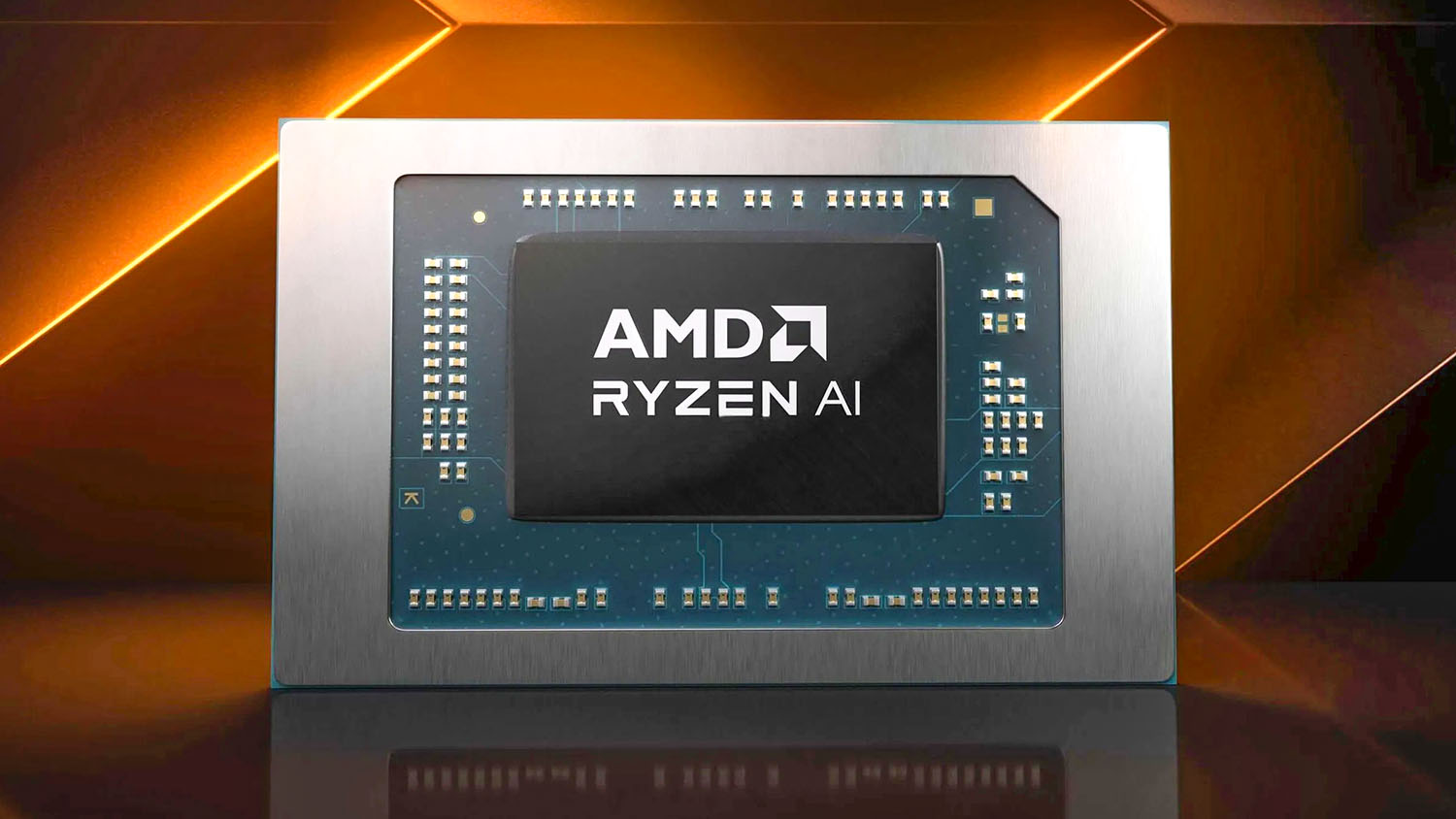
According to ITC.ua — Техно: Recent benchmarks of AMD's Medusa Point mobile processor, built on the Zen 6 architecture, reveal notable performance gains over its predecessors. This chip features a total of 10 cores, split into 4 high-performance cores and 6 energy-efficient ones. It operates at a base clock speed of 2.0 GHz and can reach a maximum frequency of 5.37 GHz.
Tested on the Geekbench platform, the AMD Medusa Point scored 3,329 points in single-core tests and 16,555 points in multi-core tests. Compared to the previous generation, this processor shows a 5% improvement in single-core performance and a 10% improvement in multi-core performance. For context, the earlier Ryzen AI 9 465 model achieves roughly 2,900 points in single-core and 14,600 points in multi-core tests. Meanwhile, the Ryzen AI 9 365 averages around 12,410 points in multi-core benchmarks. Additionally, Apple's 9-core M5 chip posts approximately 17,200 points in Geekbench's multi-core test.
Specifications and Market Impact
The Medusa Point processor is equipped with 10 MB of L2 cache and 32 MB of L3 cache. The Ryzen AI 500 series, codenamed Medusa Point, is expected to launch early next year. This new AMD processor is poised to become a major contender in the mobile CPU market, highlighting its competitiveness against existing models.
The release of AMD Medusa Point could significantly reshape the mobile processor landscape, as its performance advancements are likely to attract both developers and end-users. In particular, the performance gains over previous models underscore AMD's ongoing technological progress, which may help the company expand its market share. This, in turn, could provoke competitive responses from rivals like Intel and Apple, driving further innovation across the industry.
Read also
- Japan Introduces Paid Cooling Booth for People—Here's What You Need to Know
- Serial Production Looms for Ukraine’s New Firefly Munition After Successful Tests
- Google's Upcoming Frozen v2 Chip Aims to Power Gemini AI: What to Expect by 2028
- Apple Complaint Surge Hits 30-Fold After Russian Ultimatum: What’s Behind the Spike?
- Austrian Researchers Unveil Transformer-Like Solar Panel That Boosts Energy Output by 40%
- Mind-Controlled Robots Are Here: Chinese Firm Unveils Brain-Machine Platform