Europe Considers Its Own Nuclear Deterrent After US Halts Intelligence Sharing with Ukraine.

Intelligence Sharing Halted
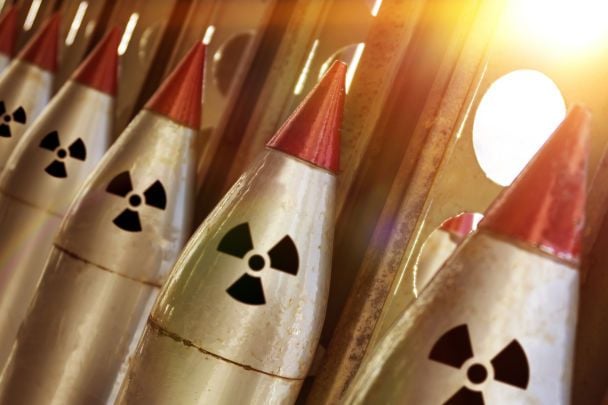
According to TSN.ua: In March 2025, the United States suspended the exchange of intelligence data with Ukraine. This move has sparked significant concern in European capitals regarding the continent's security, prompting active discussions about the potential for a European-led nuclear deterrent. This debate is occurring against the backdrop of the ongoing conflict in Ukraine, which has fundamentally altered Europe's security calculus. The focus has turned to the nuclear arsenals of the United Kingdom and France, which collectively spend approximately $12 billion annually to maintain their nuclear forces.
Comparing Nuclear Arsenals
The combined deployed arsenal of the UK and France consists of roughly 400 warheads. In contrast, the United States maintains about 1,670 deployed warheads. Following the suspension of cooperation with Ukraine, US House Speaker Mike Johnson stated that the freeze on aid did not violate the principle of the separation of powers. CIA Director John Ratcliffe confirmed the suspension of intelligence sharing.
It is important to note that the United Kingdom's nuclear forces are integrated into NATO's structure, while France maintains a fully autonomous nuclear weapons production cycle. French President Emmanuel Macron is expected to deliver a speech concerning France's nuclear potential, which could significantly influence the broader European discussion on nuclear security and deterrence.
The US decision to halt intelligence sharing with Ukraine underscores the rising geopolitical tensions in Europe and the complex security challenges facing the region. This development may encourage nations like the UK and France to reassess their defense policies and overall approach to nuclear deterrence, potentially accelerating moves toward a more coordinated European strategy. Statements from world leaders, particularly from France, are likely to shape future debates on nuclear security and international cooperation in this critical domain.
Read also
- Key to Success in Talks with Russia: A Political Analyst Weighs In
- Sanctions and Oil Strikes: Former U.S. Ambassador Reveals What Could Force Putin to Shift His Stance
- Despite Election Defeat, Orban Retains Fidesz Leadership: Party Congress Decision
- Zurabishvili on Georgia-Ukraine Ties: A Puzzling Situation That’s Hard to Decipher
- Trump Unveils Plans for a Peace Deal with Iran: How It Differs from Obama’s Agreement
- Expert Reveals the True Price of the 'Oreshnik' Missile: Key Specs and Capabilities