Geneva Talks: A Final Bid for a US-Iran Nuclear Deal.

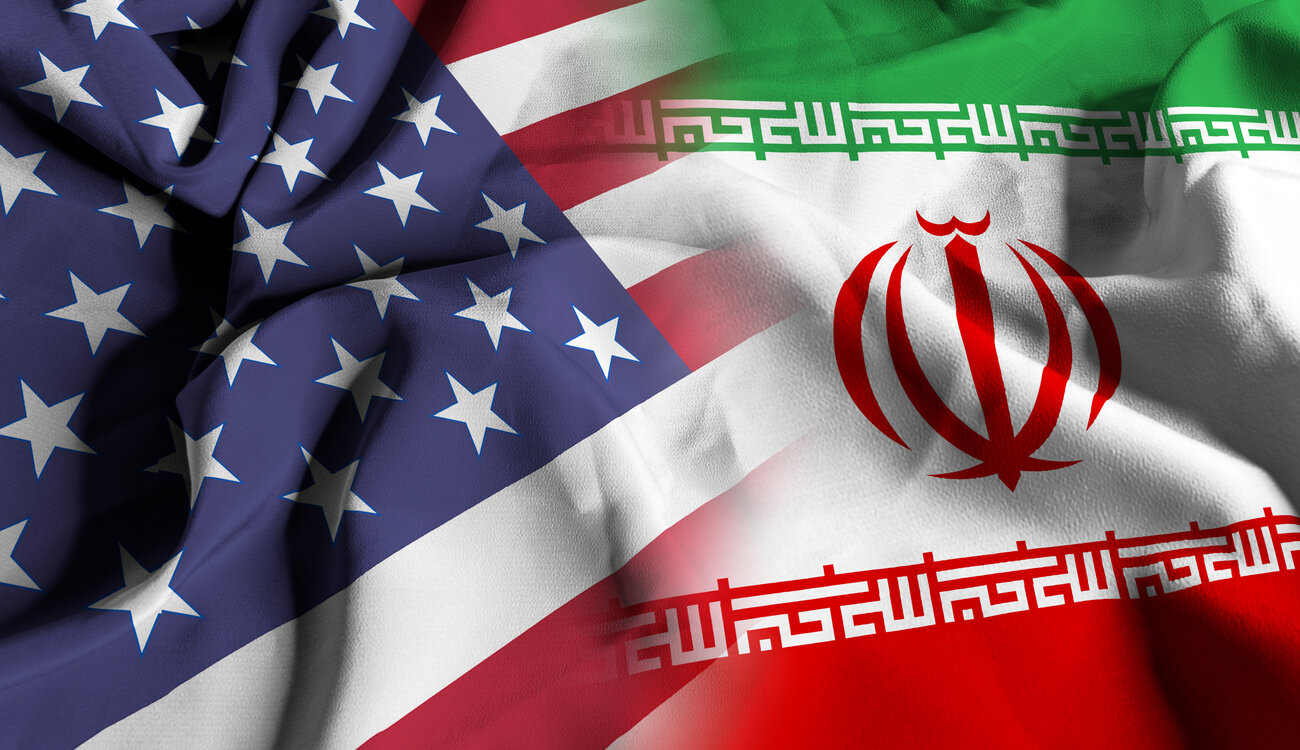
US and Iran to Hold Talks in Geneva
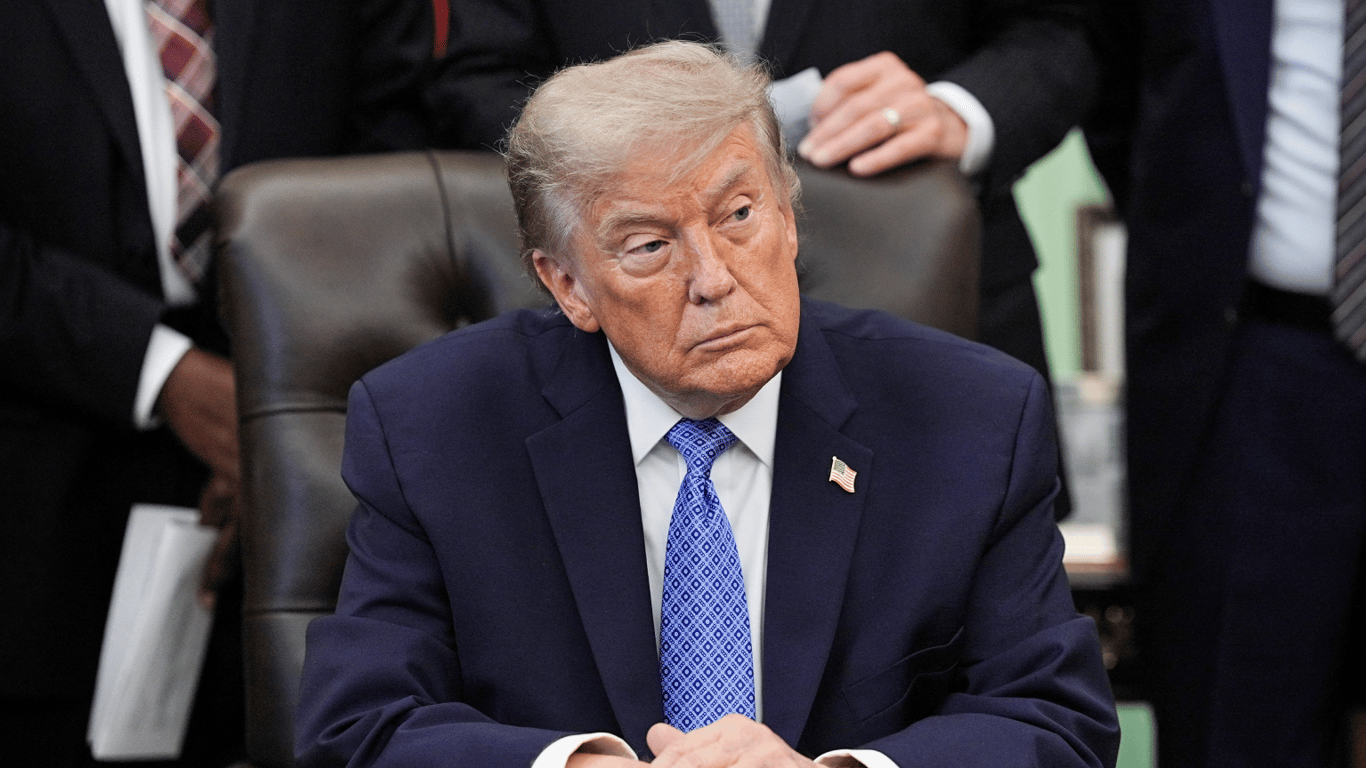
According to UATV: On February 27, the United States and Iran will engage in diplomatic negotiations in Geneva. US President Donald Trump has framed these discussions as a final opportunity to secure an agreement between the two nations. Iran is obligated to present a detailed proposal within 48 hours of the meeting's commencement.
Reports indicate Iran is prepared to offer new concessions regarding its nuclear program in exchange for the lifting of sanctions. A key potential concession involves Iran sending half of its most highly enriched uranium stockpile abroad. This move could become a pivotal element in the negotiations, significantly impacting the trajectory of Washington-Tehran relations. These talks represent a critical juncture in a long-standing and tense diplomatic standoff centered on Iran's nuclear ambitions.
The Stakes of the Negotiations
Consequently, the Geneva meeting may prove to be the decisive stage in reaching a mutually acceptable compromise. The time remaining before the talks begin is critically important for both sides to finalize their positions and strategies.
The outcome of these negotiations could define the future of US-Iranian relations, which have been severely strained in recent years over Tehran's nuclear program and subsequent international sanctions. A successful agreement could lead to an easing of Iran's economic situation and contribute to regional stability, whereas a failure risks further escalation and a deepening of the conflict.
Read also
- New S-400 Air Defense System Deployed Just 10 km from the Kremlin in Moscow
- Meeting in Qatar to Address Strait of Hormuz: U.S. and Iran Agree to Halt Hostilities
- On Constitution Day, Biletskyi Highlights Ukrainians' Primary Duty
- How Ukraine’s Constitution Was Adopted on June 28, 1996, and What It Changed
- Crimea No Longer Functions as Russia's Logistics Hub: How Supply Chains for Occupying Forces Are Breaking Down
- Kyiv Pechersk Lavra’s Millennium Celebrations Get Official Go-Ahead from President Zelenskyy