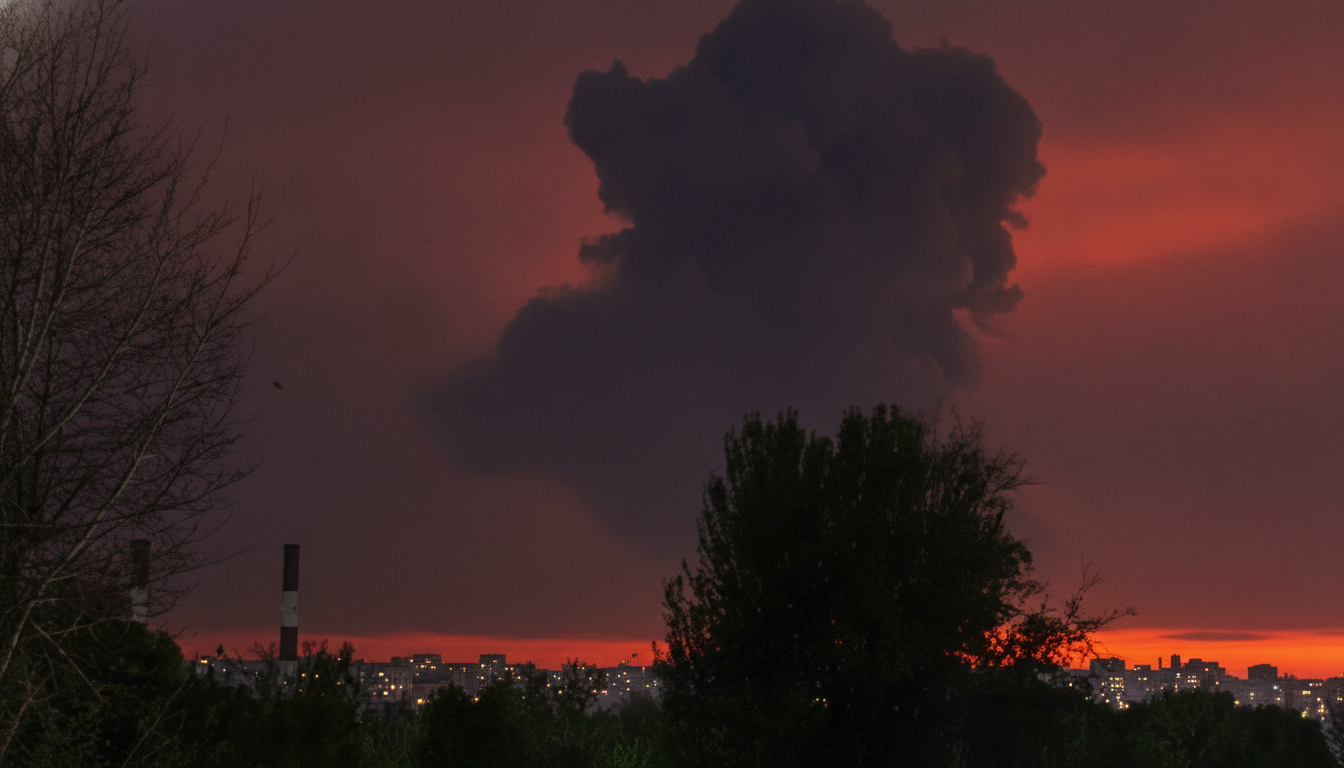
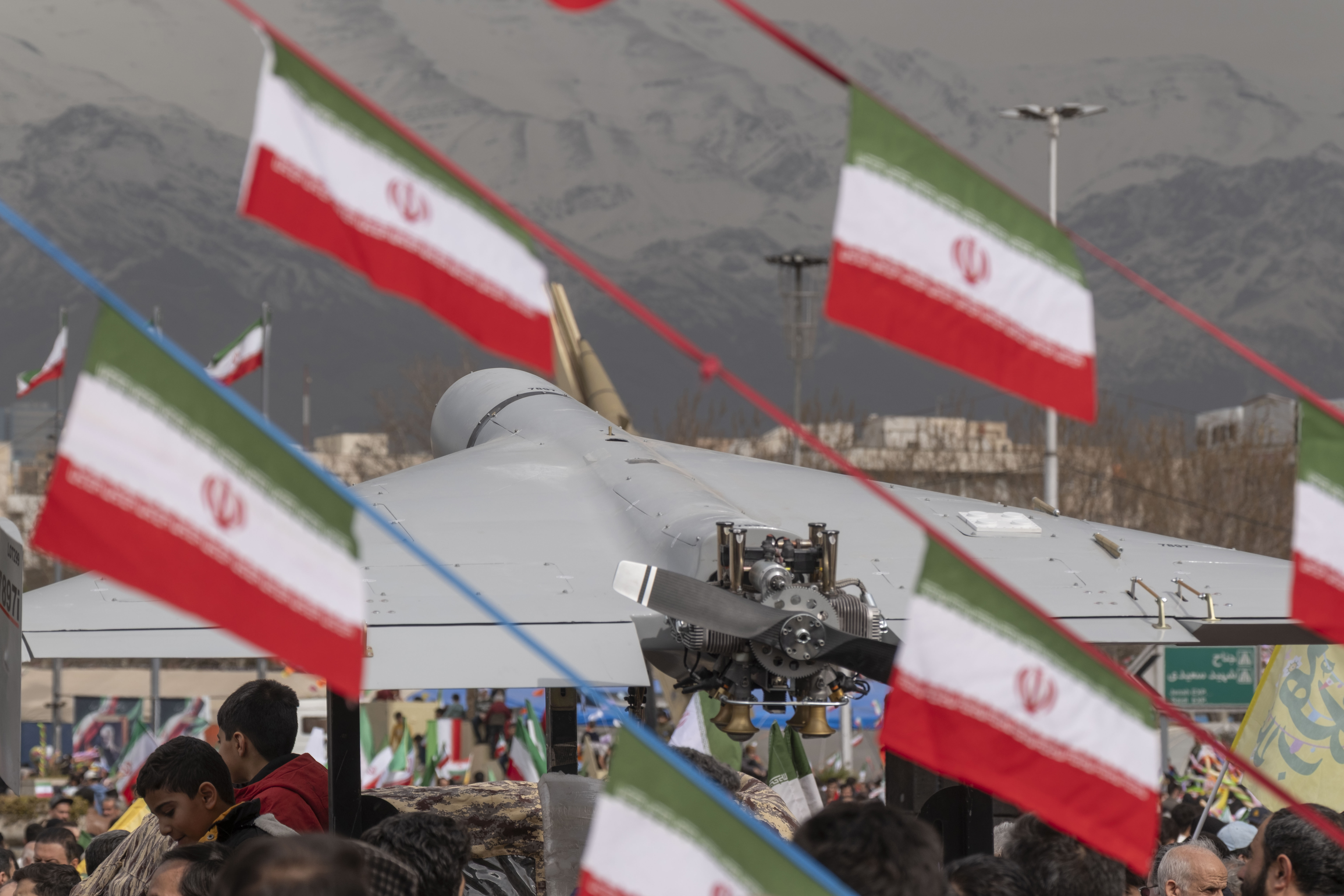
Iran’s missile sites destroyed by US, but Shahed-136 drone threat persists.

Iran Conflict Overview
According to Vox - Загальний: The war in Iran has now entered its fourth week. During this period, the United States has carried out major strikes against Iran’s military infrastructure, eliminating key assets such as ballistic missile facilities and part of its naval fleet. However, despite these efforts, Iran retains a significant arsenal of Shahed-136 drones, which continue to cause damage to US forces and allied nations.
These Shahed-136 drones are single-use attack UAVs, and their presence in Iran’s inventory has raised serious concerns across the region. Tehran possesses thousands of these drones, enabling it to launch sustained attacks. So far, Iranian strikes have killed six US service members and damaged oil and natural gas infrastructure in the United Arab Emirates, Qatar, and Saudi Arabia.
Evolving Military Challenges
Experts argue that these drones have ushered in a new era of warfare.
As Michael Horowitz noted, 'The strategy of relying solely on expensive, hard-to-produce, expendable systems will no longer be sufficient for the United States.'This underscores the urgent need for the US and its allies to adapt their military strategies in response to the evolving threats posed by modern conflicts.
Iran has been engaged in prolonged regional disputes since the 1980s, highlighting the deep-rooted complexity of the situation. The prominence of Shahed-136 drones in the current conflict further emphasizes the necessity for ongoing analysis and a robust response to the dangers these technologies present. Meanwhile, Russia is capable of producing up to a thousand Shahed-136 drones every few weeks, adding another layer of complexity to the international security landscape.
The current situation illustrates the growing intricacy of modern warfare, where emerging technologies like drones are reshaping traditional combat approaches. For the US and its allies, it is critical not only to counter existing threats but also to restructure their strategies in light of the new challenges emerging in the global security environment. The potential for further escalation in the region remains uncertain, and the situation demands close monitoring and expert analysis from the international community.
Read also
- Heavy Fighting in Donetsk Region: 19 Russian Assaults Recorded in a Single Day
- For the First Time, Ukraine’s Navy Granted Authority to Command NATO Mine-Countermeasure Forces
- Russia Seeks to Widen Combat Zones: Ukraine Stands Up Three New Brigades
- Russian Airstrike Hits Izium: Cargo Office of Nova Poshta Damaged by Guided Bomb
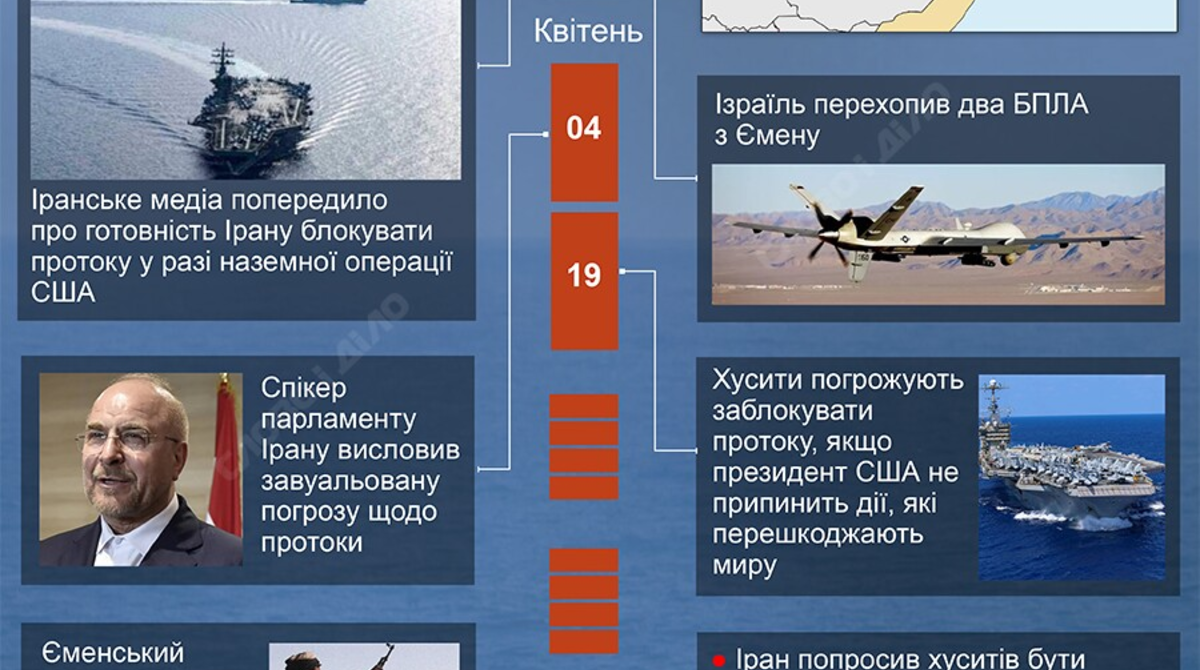
- Iran Blockades the Strait of Hormuz: Houthis Shut Down Bab el-Mandeb in 2026
- Five Fuel Trucks Destroyed in Ukrainian Strike on Russian Military Convoy in Luhansk