A U.S. High School Student Develops a Water Filter That Removes 95% of Microplastics.

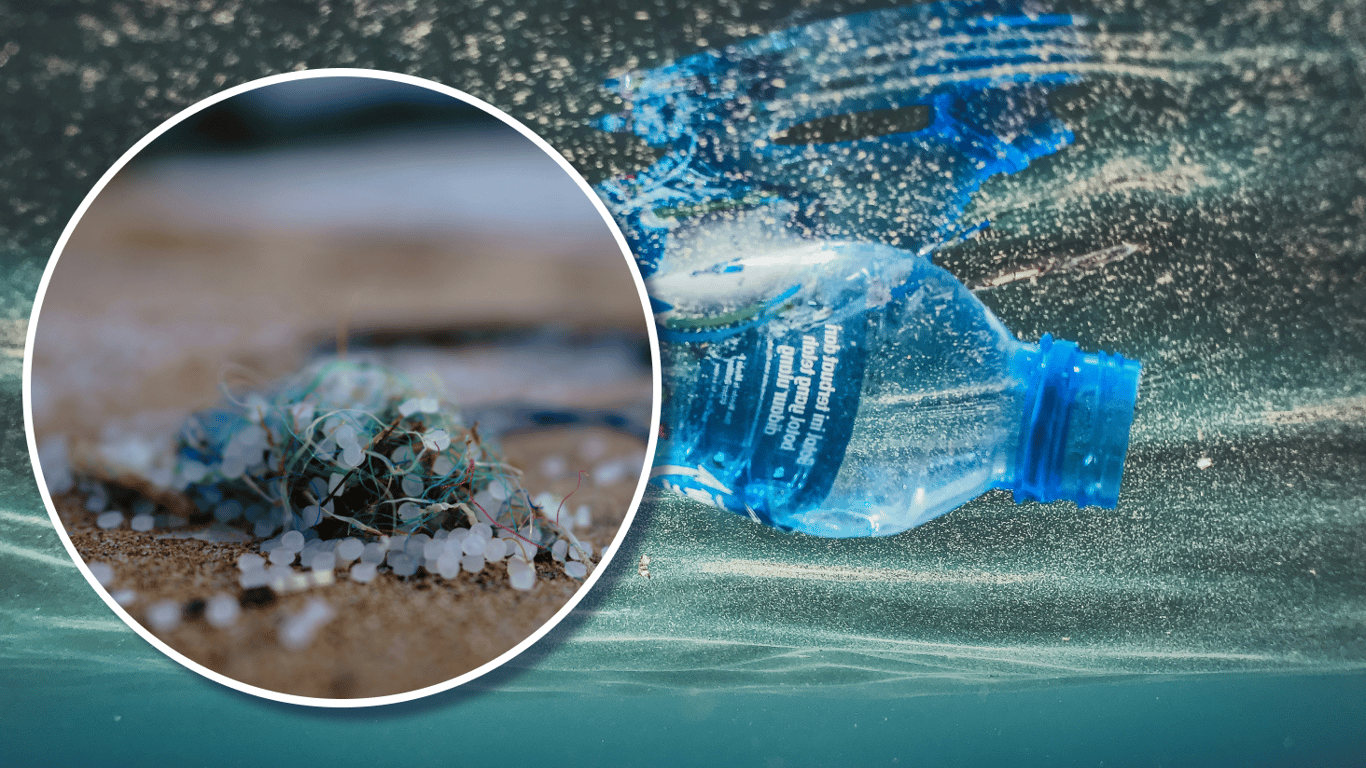
Breakthrough Water Purification Technology
According to Novyny.live: A teenage inventor from the United States has created a prototype for a home water filter that eliminates microplastics without relying on conventional membranes. Instead, the system uses a magnetic liquid to trap contaminants, offering a promising new approach to tackling plastic pollution in drinking water.
How the New Filter Works
The prototype is built around three main components:
- a chamber for contaminated water;
- a chamber for the magnetic fluid;
- a chamber for separating out the microplastics.
What sets this design apart is its avoidance of traditional filter membranes. By leveraging a ferrofluid, the system achieves high purification efficiency without the usual clogging and maintenance issues.
What level of performance does the prototype deliver? Tests show it can remove 95.52% of microplastics from water—significantly outperforming standard systems, which typically capture only 70–90%. Additionally, the setup recovers 87.15% of the ferrofluid for reuse, making it both more sustainable and cost-effective over time. The prototype processes roughly one liter of water per batch, making it suitable for household use.
The developer refined the design through approximately five iterations, reflecting a rigorous approach to optimizing the technology. This project could mark a major step forward in addressing the global challenge of microplastic water pollution and holds potential for future commercial home filtration products.
This innovation should be viewed against the backdrop of the growing microplastic contamination crisis, which threatens ecosystems and human health worldwide.
Improving water purification efficiency while lowering operational costs could be key drivers for adopting such technologies in everyday homes. If the project advances through testing and commercialization, it may fundamentally change how households treat their water and help reduce the environmental harm caused by microplastics.
Read also
- Ukraine’s New ‘Flamingo’ Missile Strikes Targets 3,000 km Away: How the FP-5 Works
- Ukraine’s Flamingo Missile Reaches 3,000 km: First Strikes on Russian Soil Expected in 2025–2026
- Why Ukraine’s Air Defense Is Struggling Against Russia’s New Jet-Powered Drones
- Top Score from Consumer Reports: What the Asus Gaming Router Brings to the Table
- Tesla Unveils the Model Y L: What’s New in the Brand’s Largest Electric SUV
- Why Anti-Drone Nets Fail Against 'Molniya' and 'Italmas' Drones: Key Insights