Companion Planting for Roses: Selecting Neighbors to Boost Health and Blooms.


Choosing the Best Companion Plants for Your Roses
According to TSN.ua: Roses are a favorite among gardeners, and selecting the right plants to grow alongside them can significantly enhance their vitality and flowering. This practice, known as companion planting, is a cornerstone of organic gardening. Strategic plant pairings can offer natural protection from pests and create improved growing conditions for your rose bushes.
Top Plant Companions for Rose Health
Aromatic herbs are excellent rose companions. These include:
- Mint
- Thyme
- Lemon balm
- Sage
These herbs help deter pests that are attracted to tender rose blooms. Lavender is another valuable neighbor; it improves air circulation around the roses and repels unwanted insects. These plants act as a natural barrier, allowing roses to grow more vigorously and produce brighter flowers.
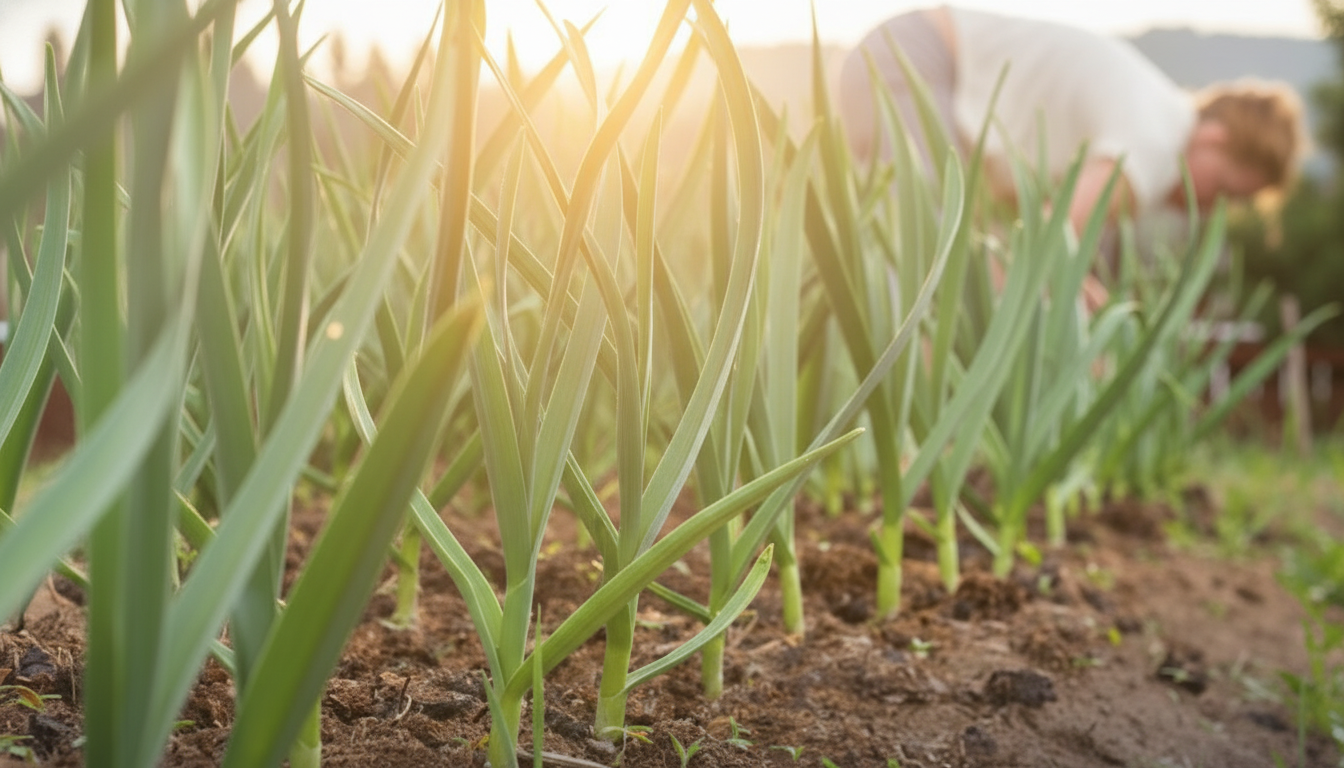
Garlic and onions, with their natural fungicidal properties, provide protection against various rose diseases. Their presence in the garden can substantially reduce the risk of infection and improve the overall health of the plants. Additionally, geraniums help retain soil moisture—a critical factor for healthy rose growth—and suppress soil-borne pests.
Catnip and verbena are two more plants that positively influence roses. Catnip attracts bees and bumblebees, which aids pollination, while verbena helps conserve moisture and suppresses weeds. Thus, these companion plants not only provide protection but also support a balanced garden ecosystem.
All these plants, when grown as neighbors to roses, create favorable conditions for their growth and development. Choosing the right companions can dramatically improve the health and flowering of roses, making them even more appealing to gardeners.
Understanding which plants coexist effectively with roses is a crucial aspect of garden planning. The correct selection of neighboring plants not only enhances the aesthetic appeal of a garden but also ensures its ecological resilience. This knowledge serves as a useful tool in combating pests and diseases, making the gardening process more efficient and enjoyable. Many gardeners find that this holistic approach reduces the need for chemical interventions.
Read also
- She Spent $35,000 Fixing Up a Rental She Doesn’t Own: One Tenant’s Story
- A Simple Summer Salad with Young Cabbage and Cucumbers: Recipe from 'Kitchen with Marina'
- When the Sun Stands Still: Summer Solstice 2026 Date, Traditions, and What to Expect
- Boost Your June Garlic Harvest: Essential Fertilizers for Bigger Bulbs
- Egg-Stuffed Potato Baskets: A Simple Recipe from the 'Kitchen with Maryna' YouTube Channel
- Tarot Warns of Financial Pitfalls: Zodiac Signs That Must Stay Cautious This June