Ukrainian Households Face Potential Electricity Price Hike to 5.5 UAH per kWh.

Potential Rise in Ukraine's Electricity Tariffs
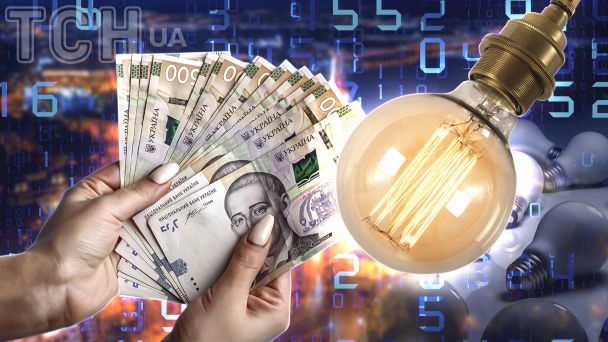
According to TSN.ua: Energy expert Yuriy Korolchuk has warned that electricity prices for Ukrainian households could rise to between 5 and 5.5 hryvnias per kilowatt-hour. This potential increase is driven by the strained energy system and the urgent need to repair damaged infrastructure. The situation is further complicated by the looming possibility of higher heating and water tariffs once a current freeze on price hikes expires, adding to public anxiety.
A review of household electricity tariffs is anticipated in 2023. The current rate is set at 4.32 hryvnias per kilowatt-hour. Yuriy Korolchuk stated:
“The electricity tariff could rise to 5–5.5 hryvnias per kilowatt-hour.” - Yuriy Korolchuk
If implemented, this increase would place an additional financial burden on Ukrainian citizens already grappling with the economic fallout of the war.
Status of Other Utility Tariffs
Meanwhile, tariffs for other utilities like heating and water remain frozen. However, the issue of raising water prices has already been raised twice since the war began. Yuriy Korolchuk also emphasized:
“After the moratorium ends, tariffs for heating and water could at least double.” - Yuriy Korolchuk
This prospect is causing significant concern among consumers who are already facing various financial hardships.
For now, natural gas tariffs are fixed at 7.96 hryvnias per cubic meter and are set to remain at this level until April 2026. Given the instability in Ukraine's energy sector, monitoring tariff changes is crucial as they can substantially impact household budgets. The Ukrainian government faces a difficult balance between funding essential repairs and protecting citizens from soaring living costs.
Rising costs for electricity, heating, and water could pose a severe challenge for Ukrainians, who are already under immense financial pressure due to the ongoing conflict. While the guaranteed stability of gas prices until 2026 offers some relief, the overall risk of higher utility bills is a major source of public worry. Observers stress the importance of tracking government decisions and their subsequent impact on the population.
Read also
- Europe’s Energy Market Sees Ukraine Shift Roles: New Assets and Emerging Challenges
- Woman Accused of Smuggling Aircraft Parts to Evade Sanctions—What It Means for Russian Aviation Safety
- May 2026 government salaries revealed: Shmyhal takes home nearly 129,000 hryvnias
- Poland Proposes Minimum Wage Hike for 2027: What the New Rates Could Look Like
- Inflation Forces Russia’s Central Bank to Keep Rates High as Antimonopoly Watchdog Targets Economists Over Forecasts
- Massive Sewage System Construction Planned in Odesa Amid Illegal Wastewater Dumping