Ukraine's Electricity Rates for February 2026: What Consumers Will Pay Per Kilowatt-Hour.

Electricity Tariffs in Ukraine for 2026
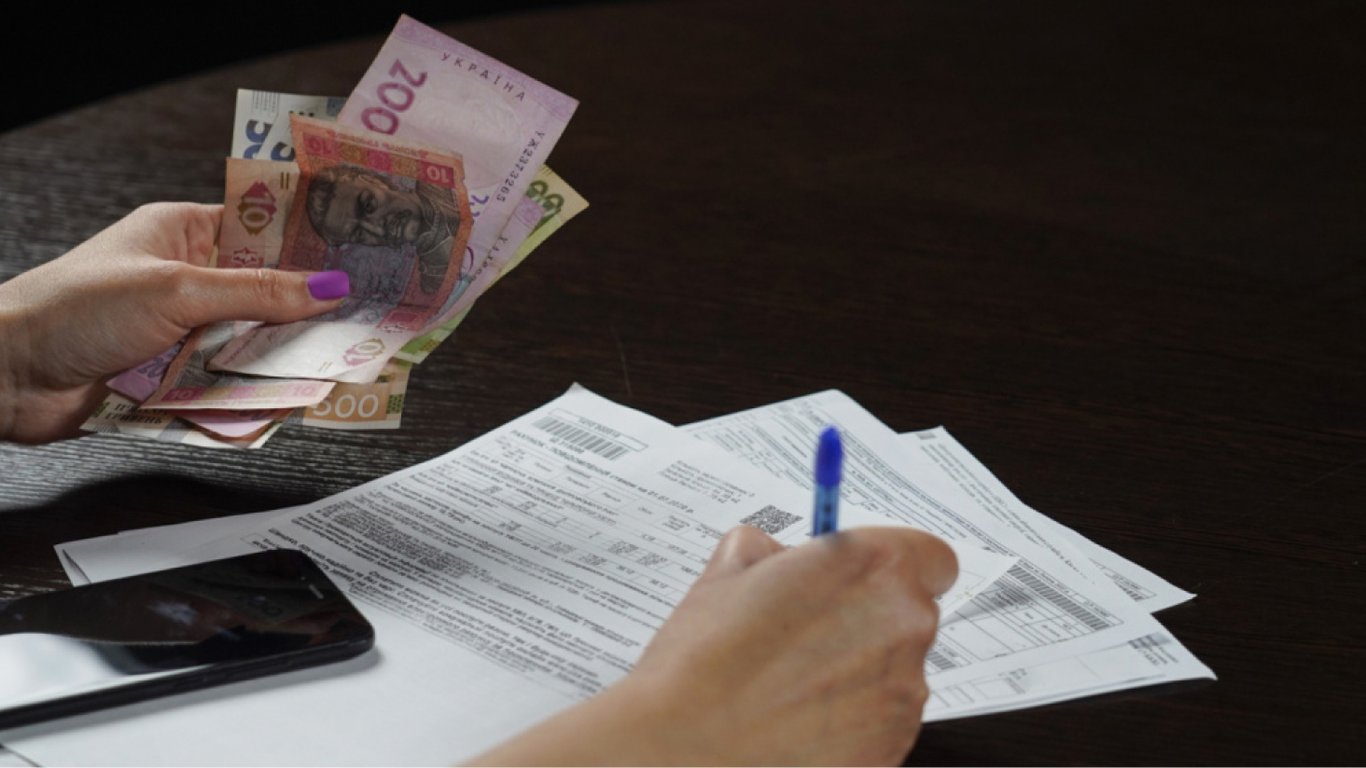
According to Novyny.live: Starting in February 2026, the standard electricity rate in Ukraine will be set at 4.32 UAH per 1 kWh. This rate, applicable to consumers with standard metering devices, will remain in effect until April 30, 2026. Households equipped with multi-zone meters will be eligible for discounted rates on their power consumption.
Discounts for Consumers with Multi-Zone Meters
- Households using electricity for heating will pay a rate of 2.64 UAH per 1 kWh for consumption up to 2,000 kWh.
- Consumers with two-zone meters will benefit from a night-time tariff of 2.16 UAH per kWh, applicable from 11:00 PM to 7:00 AM, representing a 50% discount during these hours.
- For three-zone meters, the rates will vary:
- 6.48 UAH per kWh during peak hours from 8:00 AM to 11:00 AM and 8:00 PM to 10:00 PM;
- 4.32 UAH per kWh during the day from 7:00 AM to 8:00 AM, 11:00 AM to 8:00 PM, and 10:00 PM to 11:00 PM;
- 1.73 UAH per kWh during the night from 11:00 PM to 7:00 AM.
It is important to note that electricity is not covered by any existing price moratorium. According to forecasts from the Ministry of Economy, a potential 10-20% increase in electricity tariffs is possible in 2026. This could significantly impact consumer finances, particularly amid broader increases in energy carrier costs. These tariff structures are part of Ukraine's ongoing efforts to reform its energy sector and align with market conditions.
The establishment of new electricity tariffs in Ukraine reflects the energy system's adaptation to changing financial conditions and market factors.
The discounts for multi-zone meter users are designed to incentivize energy consumption during off-peak night hours, which can help reduce strain on the power grid. However, the prospect of a 10-20% tariff hike in 2026 is causing concern among the population, as it may impose additional financial pressure on households already facing rising living costs.
Read also
- Russia’s Oil and Gas Revenue Set to Surge by 60%—Here’s What’s Driving the Jump
- IMF Disburses $690 Million Second Tranche to Ukraine: Where the Funds Are Going
- Russia’s Budget Deficit Could Hit 7 Trillion Rubles—What Are the Default Risks?
- Expert Sets Critical Threshold: 60% of Russia's Oil Refining Capacity Must Be Destroyed
- Russia Faces Imminent Fuel Crisis: Why Refinery Recovery Is Nearly Impossible, Expert Warns
- Economist identifies Russia's point of no return: why it can never reclaim its place among global economic leaders