Lviv Utility and Transport Prices from July 1: What Residents Will Pay for Electricity, Gas, Water, and Transit.

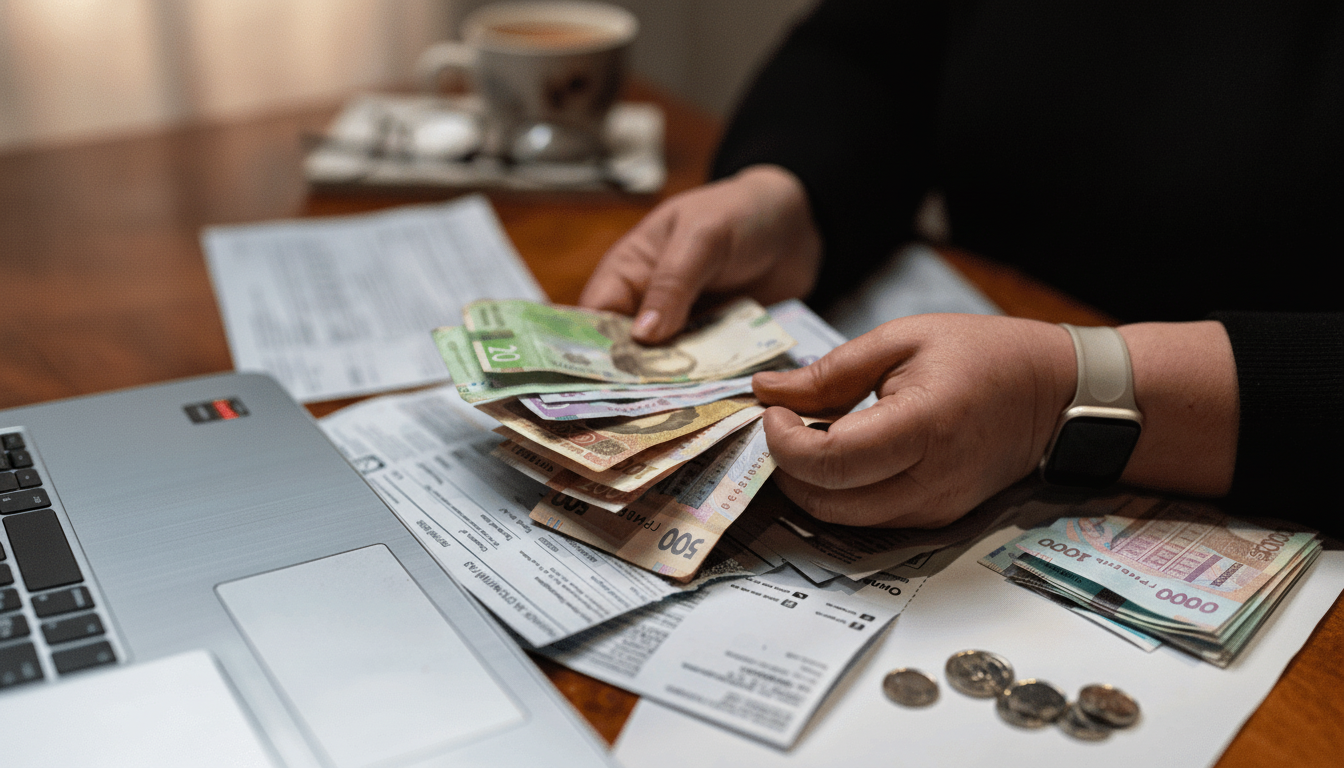
Lviv's Household Utility Rates Hold Steady
According to Novyny.live: Starting July 2026, no changes are expected in the cost of housing and communal services in Lviv, including electricity, natural gas, water supply and sewage, as well as public transport fares. This means city residents can budget their expenses without fearing price hikes for these services over the next year.
Pricing for Key Services
Electricity tariffs in Lviv will remain at 4.32 UAH per kWh for households from July 1, 2026. Owners of dual-zone meters will benefit from a nighttime rate between 11:00 PM and 7:00 AM, set at 2.16 UAH per kWh. For natural gas, the annual fixed price for households served by 'Naftogaz of Ukraine' will be 7.96 UAH per cubic meter.
Water and sewage charges in Lviv are also staying the same. 'Lvivvodokanal' will charge 17.29 UAH per cubic meter for water supply and 8.59 UAH per cubic meter for sewage disposal. Consequently, the total cost for water services for residents will be 25.88 UAH per cubic meter, including VAT.
Public transit fares in Lviv will not change from July 1, 2026. The last adjustment occurred on May 16, 2026. According to available information, the fare structure is as follows:
- 23 UAH with a LeoKart transport card
- 26 UAH with a bank card or NFC-enabled smartphone
- 30 UAH when paying with cash
- 11.5 UAH for students using a LeoKart
A student monthly pass costs 575 UAH, while a general pass is 1,150 UAH. Traveling without a valid ticket or failing to validate a trip results in a fine of 520 UAH.
As a result, Lviv residents can count on stable utility and transport tariffs through mid-2027, aiding in their financial planning.
The stability of household utility rates in Lviv may serve as a positive signal for residents, helping them better manage their budgets during a period of economic uncertainty.
Source: Local News
Keeping tariffs at their current levels will help avoid unexpected expenses and contribute to the overall well-being of the city's population. Amid ongoing fluctuations in energy markets and inflationary pressures, such decisions can be crucial for maintaining social stability in the region.
Read also
- Global Fuel Markets Shaken as Ukrainian Drones Undermine Russian Control
- Russian Business Owners Are Moving Billions Abroad Amid Fears of Asset Seizure and Forced War Funding
- Former Minister Sobolev Takes on New Role in the President’s Office: What He Will Be Working On
- India Becomes Fuel Supplier to Russia as Diesel Shortage Bites
- Currency Panic Grips Ukraine: Expert Reveals Why People Are Losing Faith in the Hryvnia
- Major Salary Hikes Planned for Ukrainian Rescuers: Here’s What They Could Earn