Increase in gambling taxes: why this threatens billion-dollar losses.


A threat to the betting industry
According to The Sun: Increasing taxes on gambling as part of the budget could "backfire" on the government and force players to move to a dangerous black market, industry representatives warn.
Chancellor Rachel Reeves has been advised not to promote proposals for a single tax on remote betting, considering the negative impact on horse racing.
If the 15% tax for bookmakers is equalized with the 21% tax on online gaming, it will cause substantial harm. The horse racing industry has already announced a strike next Wednesday, when four races will be canceled in protest against the proposed changes.
Horse racing faces annual losses of £66 million, which could lead to the loss of thousands of jobs.
Departments have been warned that such a move could be catastrophic for the horse racing industry and encourage players to switch to illegal markets.
“Hiking gambling taxes would backfire spectacularly. Far from boosting the Treasury, it will push punters towards the unsafe black market, which pays no tax, backs no sport and has zero standards.”
Industry representatives emphasize that they already pay £4 billion in taxes, support 109,000 jobs and contribute £6.8 billion to the economy.
Former Prime Minister Gordon Brown has called for an increase in gambling taxes to help lift children out of poverty.
“We are consulting on bringing the treatment of online betting in line with other forms of online gambling to cut down bureaucracy – it is not about increasing or decreasing rates, and we welcome views from all stakeholders including businesses, trade bodies, the third sector and individuals.”PA
Currently, there are active debates in society regarding tax policy in the gambling industry. The proposed changes to taxation have raised concerns among both bookmakers and the horse racing industry, as the consequences could impact the economy and employment. Recent events have demonstrated the importance of finding a balance between tax collection and supporting legitimate businesses in order to avoid incentivizing illegal markets that threaten the entire industry.
Read also
- Facing Diesel Shortages, Russia Bans Exports and Turns to Imports for the First Time
- Kyrgyzstan Scrambles for Fuel as China and Belarus Step In to Replace Russia
- UDP Leadership Accused of Asset Theft: Losses Hit $7 Million
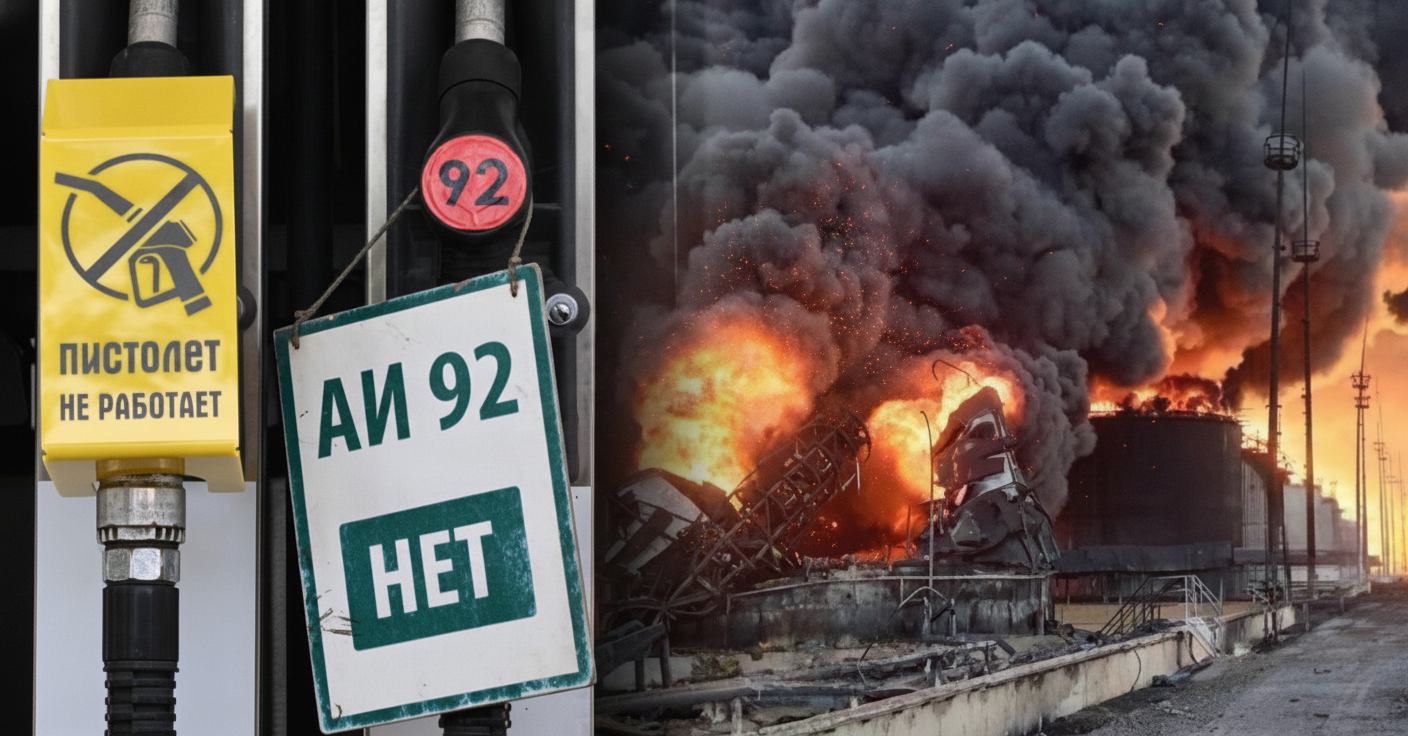
- Russia Faces Fuel Crisis: Putin Admits Shortages as Moscow Prepares to Import Petroleum Products
- Half a Million Bankruptcies in One Year: Russia’s Economy on the Brink of Collapse
- Defense Forces Strike Halts Key Russian Refineries: Fuel Shortage Expected to Hit 30,000 Tons