Pensioners with illnesses can receive hundreds of pounds: who is eligible.

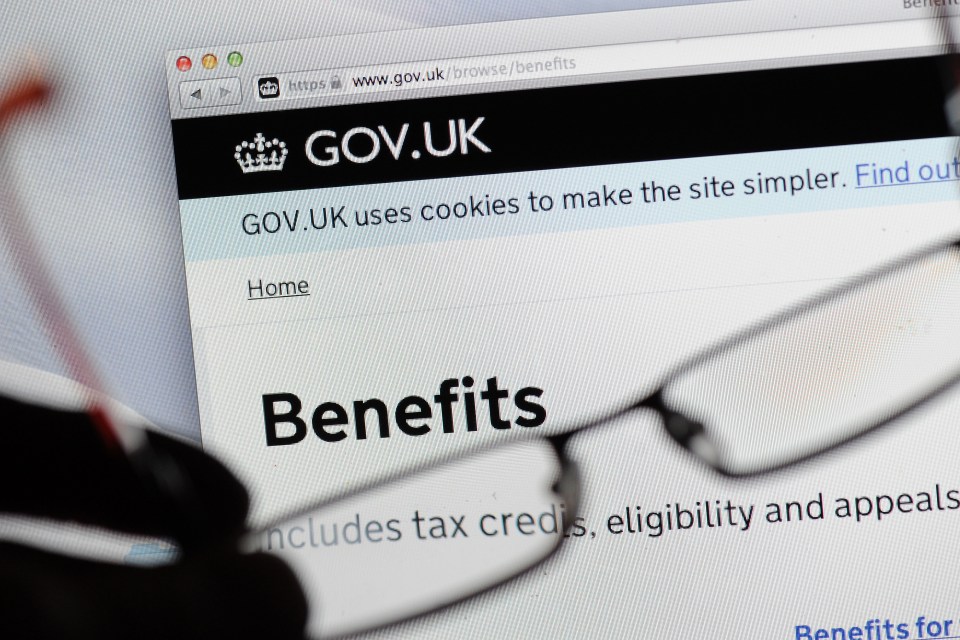
According to The Sun: Citizens with certain illnesses can receive significant financial assistance from the government.
This benefit is called 'Attendance Allowance', and it can be received by persons with disabilities or illnesses requiring external assistance.
AlamyAttendance Allowance is granted to those who need support in daily life, and it does not depend on income level - there are no earnings or savings limits for applicants.
Payment amounts
The allowance is paid in two amounts. The lower amount is £73.90 per week if a person requires partial assistance or constant supervision during the day or night. This totals £295.60 per month.
The higher payment, which is £110.40 per week (or £441.60 per month), is designated for those who need help during the day and at night, or for those who are at the end of life stage.
To receive this assistance, one must have a physical or mental disability or a serious illness requiring help with daily tasks for at least six months.
Rules may vary for those in the end stages of life, as in this case one can apply for assistance earlier and receive a higher payment amount.
To apply, you must be in the United Kingdom, although there are exceptions for military personnel.
Who to contact?
If you are unsure of your eligibility, contact the Department for Work and Pensions for consultation.
Do not forget to report any changes in your circumstances, as this may affect your payment amounts.
Most common illnesses for applications
The Department for Work and Pensions has published statistics on the illnesses for which people most often apply for 'Attendance Allowance'.
Among them, the most applications are for arthritis: about 500,000 people receive this assistance.
- Arthritis - 460,993
- Dementia - 167,366
- Heart diseases - 118,570
- Respiratory diseases - 98,211
- Muscle, bone or joint diseases - 81,914
- Cerebrovascular diseases - 72,870
- Back pain syndromes - 71,020
- Visual impairments and diseases - 49,677
- Parkinson's - 42,695
- Neurological diseases - 33,812
Even if you have none of these illnesses, you may still be eligible for assistance.
You will also receive a state pension, even if you are receiving this funding.
Additionally, you may be eligible for an extra pension credit, housing benefits, or tax discounts if you are receiving 'Attendance Allowance'.
Contact your local office or organization handling payments to find out about potential access to assistance.
How to apply for 'Attendance Allowance'?
To apply, you need to download the 'Attendance Allowance' form from the gov.uk website and send it by mail to: Attendance Allowance Unit, Mail Handling Site A, Wolverhampton WV98 2AD.
If you cannot print the form, call the 'Attendance Allowance' helpline at 0800 731 0122 to receive a copy.
Filling out the form can take some time and require a lot of personal information.
If you need help completing it, you should involve a friend, relative, or advisor.
The 'Entitled to' website has a full list of organizations that can help with obtaining benefits for disabled individuals.
To find out if you are receiving the correct amount of assistance, you can use the online calculators on 'Entitled to' and 'Turn2us' websites.
Are you missing out on benefits?
You can use the benefits calculator to check if you are missing out on money you are entitled to.
The Turn2Us charity calculator determines what you may be entitled to.
The free EntitledTo calculator will show what benefits, tax credits, and universal credit you are entitled to.
MoneySavingExpert.com and the StepChange charity also provide tools for determining benefits based on EntitledTo data.
You can use the Policy in Practice calculator to find out what benefits are available to you and how much money will remain after housing costs.
Your exact entitlement will only be determined when you apply, but calculators can indicate potential benefits.
Read also
- Facing Diesel Shortages, Russia Bans Exports and Turns to Imports for the First Time
- Kyrgyzstan Scrambles for Fuel as China and Belarus Step In to Replace Russia
- UDP Leadership Accused of Asset Theft: Losses Hit $7 Million
- Russia Faces Fuel Crisis: Putin Admits Shortages as Moscow Prepares to Import Petroleum Products
- Half a Million Bankruptcies in One Year: Russia’s Economy on the Brink of Collapse
- Defense Forces Strike Halts Key Russian Refineries: Fuel Shortage Expected to Hit 30,000 Tons