UK Budget: what new taxes will the government introduce.

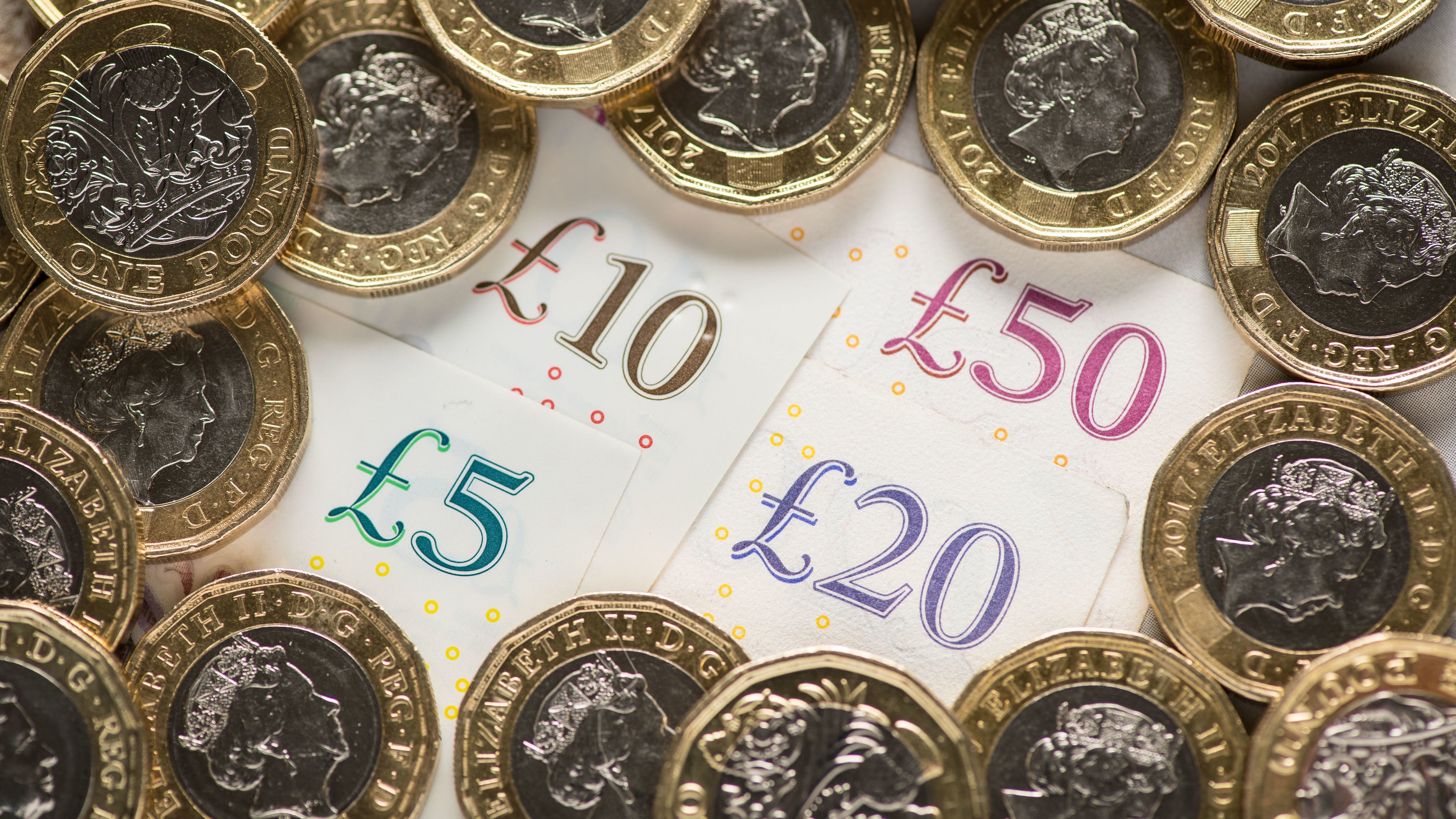
According to The Sun: After Chancellor Rachel Reeves announces her autumn budget next month, many people will be watching how it affects their finances.
There are concerns that taxes for households in the UK could rise as the government tries to fill a £30 billion deficit in the public finances.
Many households will face changes due to the new budget PAExperts from Oxford Economists presented a report this week outlining the 'wide range' of measures that could be announced by the Labour Party on November 26.
Fortunately, the Chancellor is unlikely to increase income tax or national insurance for workers—this would be a serious blow to millions of households.
Reeves has already ruled out the possibility of increasing these taxes, as it would contradict the Labour Party's promise not to raise taxes for working people.
“We believe that freezing income tax thresholds and NI thresholds is almost certain,” said senior adviser at Oxford Economics Michael Sanders.
“However, we think it unlikely that the Chancellor will increase the main income tax rate, VAT, NI for workers or corporate tax, given the Labour's commitments in their program.”
Here are three types of taxes that are expected to impact households as early as next month.
Stealth income tax hike
The Chancellor is expected to announce a stealth income tax hike by continuing the freeze on its thresholds.
These thresholds, which determine how much workers must earn before they start paying income tax, were frozen by the Tory government in 2021 and were planned to remain at these levels until April 2028.
However, economists forecast that the freeze may continue for another two years until 2029/30, bringing in about £10 billion for public needs.
This could mean millions of people paying more tax as their incomes rise due to inflation—this phenomenon is known as fiscal drag.
Reeves did not rule out the possibility of extending the freeze at the Labour Party conference this week.
This move is thought to reduce benefits for workers by hundreds of pounds.
id='6380246925112' data-video-id='6380246925112' data-account='5067014667001' data-player='default' data-usage='cms:WordPress:6.5.7:2.8.6:javascript' data-embed='default' class='video-js' data-application-id='' controls style='width: 100%; height: 100%; position: absolute; top: 0; bottom: 0; right: 0; left: 0;'>According to Quilter, an individual earning between £20,000 and £40,000 will pay £214 more in income tax by 2029/30.
For an individual earning £45,000, rising income may push part of their earnings into the 40% tax band, leading to a significant increase in the tax paid.
In this case, the worker will pay an additional £317 in 2028/29 and £643 in 2029/30.
Pension tax relief reform
Another proposal is the reform of tax relief on private pensions.
Currently, when you save for retirement, the government refunds the income tax you paid on that money, giving you tax relief at your personal rate of tax.
For basic rate taxpayers, this is a 20% bonus, meaning an £80 contribution becomes £100 in the fund.
However, higher-rate taxpayers receive 40% relief, turning a £60 contribution into £100, while top earners receive 45%.
Economists believe Reeves may raise £3 billion by implementing a single rate of 30% for tax relief on private pensions.
This would be a blow to the wealthiest taxpayers who would lose their current 45% relief.
But lower-income taxpayers—those earning up to £50,270—will see an increase in tax benefits.
Change to tax-free pension amount
Economists also think the Chancellor may consider reducing the tax-free pension amount to cover the deficit.
This is the maximum amount people can withdraw from their pensions without paying tax.
Currently, this is 25% of the fund that can be withdrawn tax-free up to age 55, but limited to £268,000.
However, economists believe this limit could be reduced to £100,000, which would raise £2 billion for the Treasury.
Do you have a financial issue that needs addressing? Write to us at [email protected].
Join our Facebook group Sun Money Chats and Tips to share your tips and stories.
Next month we will see what concrete changes may affect the financial situation of many Britons after the budget announcement. The Labour Party aims to present a budget that matches their promises, but challenges in the tax system remain. It is important to keep an eye on this news, as they could significantly impact the financial wellbeing of millions.Read also
- New U.S. Tariffs Hit 60 Nations: Here Are the Rates for the EU and Russia
- Russia’s Oil and Gas Revenue Set to Surge by 60%—Here’s What’s Driving the Jump
- IMF Disburses $690 Million Second Tranche to Ukraine: Where the Funds Are Going
- Russia’s Budget Deficit Could Hit 7 Trillion Rubles—What Are the Default Risks?
- Expert Sets Critical Threshold: 60% of Russia's Oil Refining Capacity Must Be Destroyed
- Russia Faces Imminent Fuel Crisis: Why Refinery Recovery Is Nearly Impossible, Expert Warns