Ukraine's Informal Workforce: 3 Million in Shadow Economy Amid Rising Social Standards.

The State of Employment in Ukraine
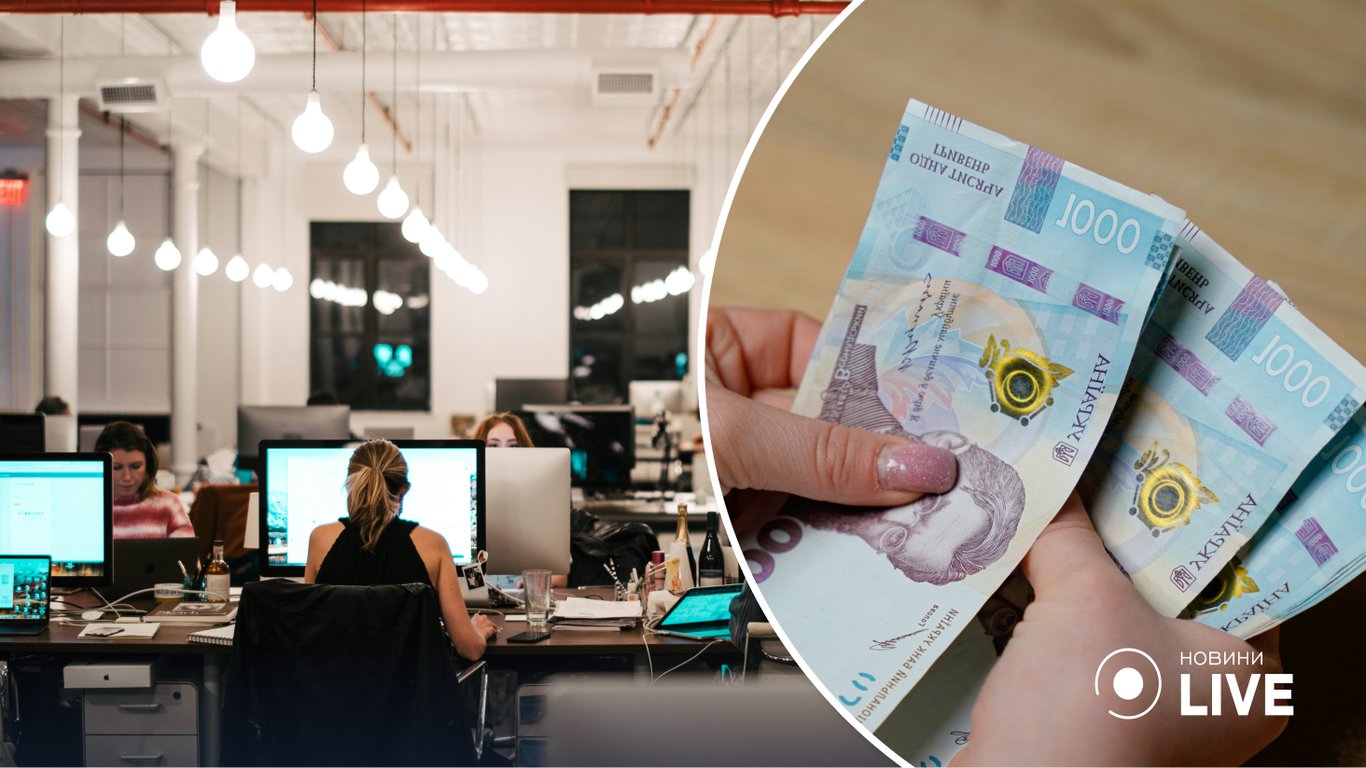
According to Novyny.live: Approximately 3 million people in Ukraine are employed in the informal or shadow economy, while 4 million work in the public sector. This situation persists even as the country has enacted increases to key social standards, including the minimum wage and minimum pension, effective January 1, 2026. While these higher standards are a crucial step for improving public welfare, they highlight the ongoing challenge of regulating employment and tax collection. For context, Ukraine's economy continues to navigate the dual pressures of post-war recovery and international financial support.
Data indicates that 6 million workers are employed in the formal business sector. However, the significant portion of the population working in the shadow economy operates outside state oversight. As expert Myroslav Laba notes:
“The activities of these people are controlled neither by the state nor by the Tax Service.” - Myroslav Laba
This raises concerns, as such a situation can lead to a shortage of jobs in the formal sector. Laba further points out:
“And when the state talks about a shortage of jobs, it makes sense to reconsider the number of citizens employed in the public sector.” - Myroslav Laba
Changes to Social Standards
Effective January 1, 2026, Ukraine's minimum wage increased from 8,000 to 8,647 hryvnias, while the minimum pension was set at 2,595 hryvnias. The current subsistence minimum is 3,209 hryvnias. For individual entrepreneurs (FOPs), the single tax for the first group is 332.8 hryvnias, and for the second group – 1,729.4 hryvnias. The military levy for FOPs in both groups is 864.7 hryvnias per month. The minimum unified social contribution for all Ukrainians is 1,902.34 hryvnias per month.
It is worth noting that Ukraine plans to receive a loan exceeding $8 billion from the International Monetary Fund in 2023, which could influence the country's economic stability and social policy. Given the high level of informal employment and numerous challenges in the public sector, it remains critical to seek effective solutions to improve the labor market. The planned IMF loan is part of a broader international effort to support Ukraine's economy during its ongoing conflict with Russia.
The rise in the minimum wage and pension, along with the anticipated IMF loan, could become important factors for stabilizing Ukraine's economy. However, the high level of shadow employment leaves open questions about the real potential for improving public welfare and creating new jobs. The government needs to focus on formalizing employment and improving working conditions to ensure sustainable economic development and social security in the country.
Read also
- Russia’s Oil and Gas Revenue Set to Surge by 60%—Here’s What’s Driving the Jump
- IMF Disburses $690 Million Second Tranche to Ukraine: Where the Funds Are Going
- Russia’s Budget Deficit Could Hit 7 Trillion Rubles—What Are the Default Risks?
- Expert Sets Critical Threshold: 60% of Russia's Oil Refining Capacity Must Be Destroyed
- Russia Faces Imminent Fuel Crisis: Why Refinery Recovery Is Nearly Impossible, Expert Warns
- Economist identifies Russia's point of no return: why it can never reclaim its place among global economic leaders