Trump Reverses Course on Kurdish Support Against Iran.

Discussions on Kurdish Backing
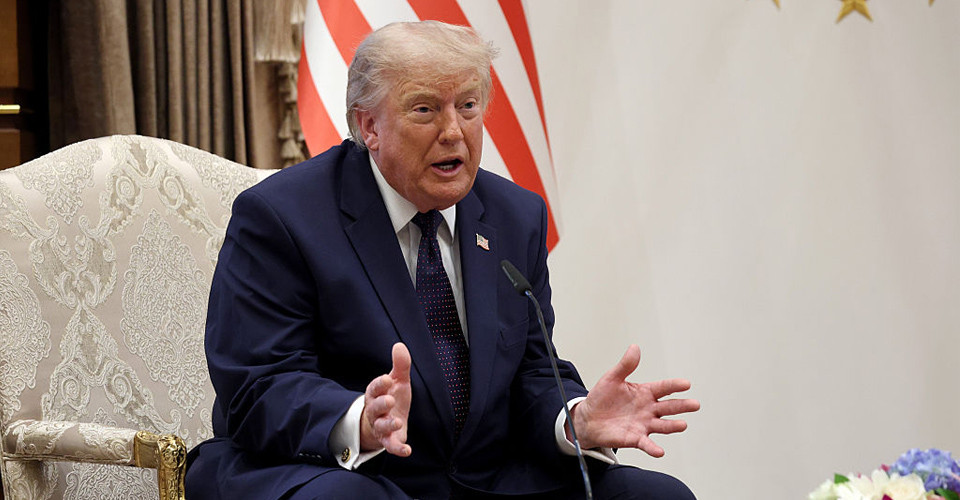
According to Vox - Загальний: U.S. President Donald Trump held talks with Kurdish leaders last week regarding potential support for actions against the Iranian regime. However, he later reversed his stance, ruling out Kurdish involvement in the conflict. Iranian Kurdish leader Abdullah Mohtadi stated that his forces were not prepared for an attack and called for a weakening of Iranian forces to enable any future fight. The Kurdish role in the region is a complex and long-standing geopolitical issue, often placing them at the intersection of major power struggles.
In his statement, Trump emphasized that he did not want to complicate the war further. Meanwhile, Mohtadi claimed to command 'hundreds of thousands' of Peshmerga forces in Iraq. He also noted that any Kurdish movement would require the prior weakening of Iran's Revolutionary Guards.
The Kurdish Role in Regional Politics
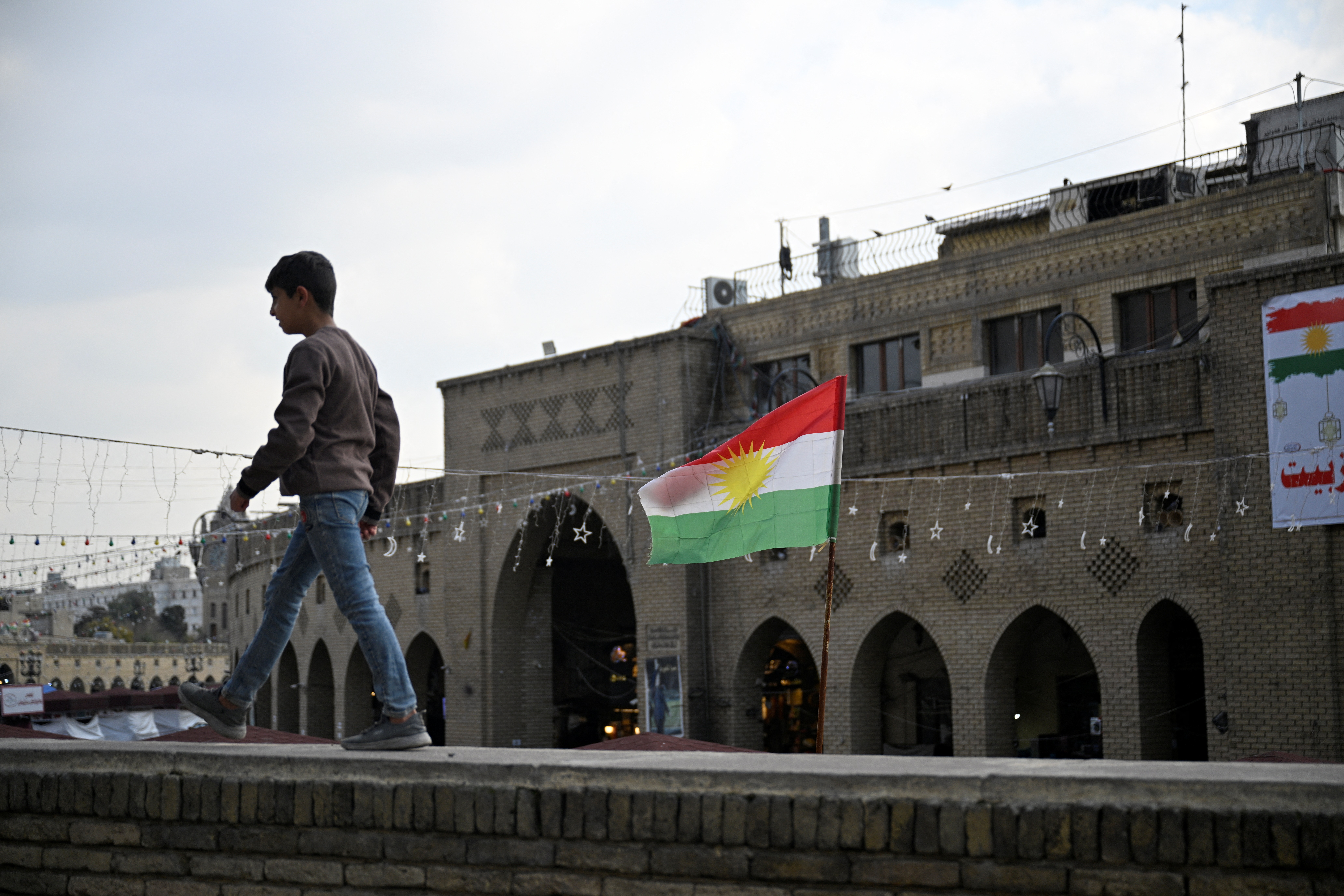
Kurds in Iran and Iraq play a significant part in regional politics. Iran is home to an estimated 10 to 15 million Kurds. Iraq's Kurdistan Region has enjoyed greater autonomy since 1991, allowing its leaders to engage more actively in international negotiations. Mohtadi stressed that
“we are for a democratic, secular, united Iran,”highlighting Kurdish aspirations for political change in their country.
According to one of their leaders, the Kurds must choose a side in this battle, underscoring the difficult position they find themselves in. Given recent events, support from international partners could become a crucial factor in the Kurds' ongoing struggle for their rights and autonomy.
The situation regarding the Kurdish question in Iran and Iraq remains tense, as Kurds seek greater autonomy and political reforms. The relationships between Kurdish leaders and international actors like the U.S. could significantly influence developments in the region. Faced with new challenges, it is important to monitor shifts in Kurdish strategy and potential alliances that may emerge in the context of opposing the Iranian regime.
Read also
- Trump Vows to Close Ukrainian Airspace if Russia Launches Another Attack
- Zelenskyy Holds Over 20 Talks in Ankara, Secures €70 Billion NATO Commitment
- Trump Declares Ceasefire Over as US Launches Fresh Strikes on Iran
- Belgian Prime Minister Announces Football Victory Over the US During NATO Summit
- Trump and Zelenskyy Meet in Ankara: Ukraine to Receive License for Patriot Missile Production
- NATO Summit in Ankara: Rutte and Trump Address Russian Threats and Air Defense for Ukraine