Which Resale Apartments Sell Fastest in 2026? A Shift in the Housing Market.

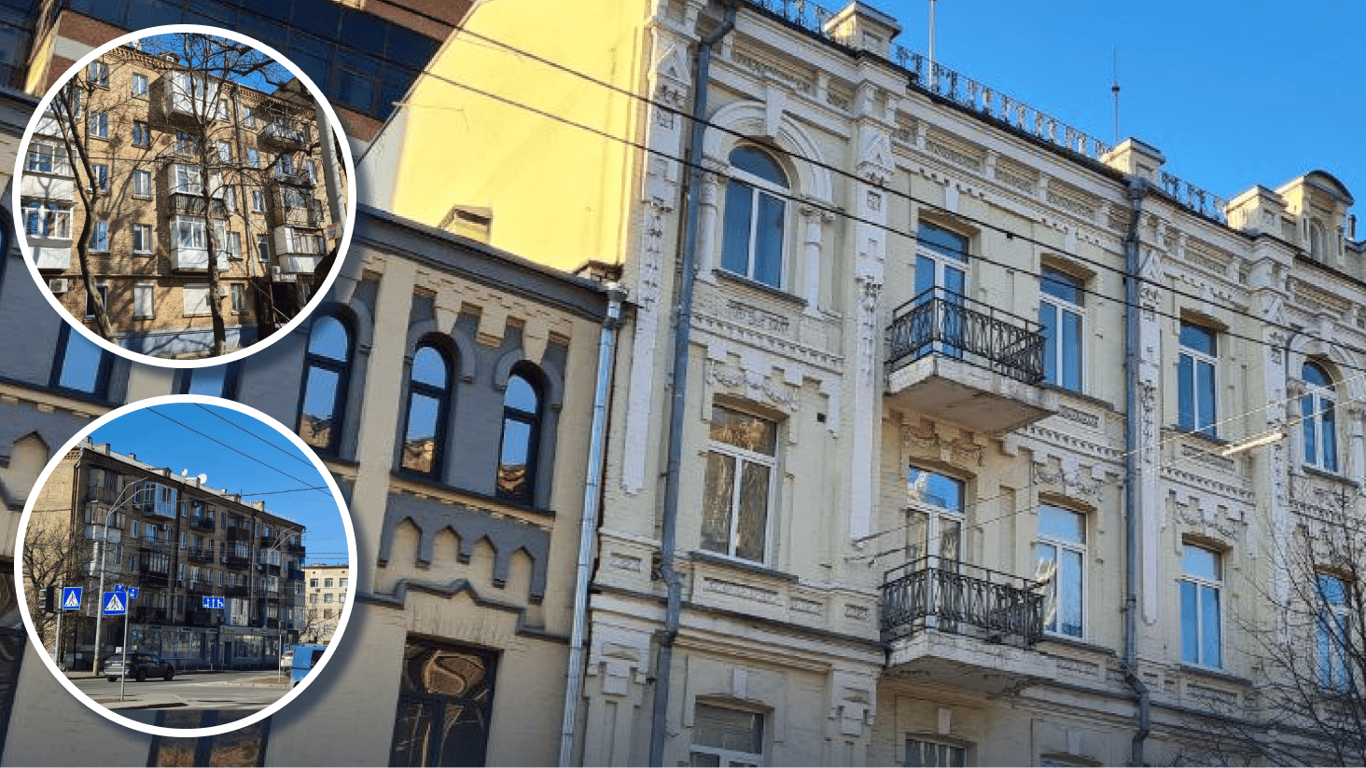
The 2026 Housing Market Transformation
According to Novyny.live: In 2026, the housing market has become far more pragmatic, with buyers prioritizing financial considerations over aesthetics alone. This shift is especially evident when comparing two popular Soviet-era apartment types: Stalin-era buildings and Khrushchev-era apartments. While Stalin-era units are harder to sell quickly due to high maintenance costs, Khrushchev-era apartments are in demand because of their lower entry price point. This trend highlights a major change in home-buying priorities, where affordability now takes center stage.
What Drives Sales: Key Advantages and Factors
Khrushchev-era apartments hold a clear edge, offering lower purchase prices and reduced utility expenses. Several other factors also influence how fast a property sells:
- Units on lower floors (1st to 3rd) are more appealing to buyers.
- Homes with a gas stove or water heater can command a higher price and sell more quickly.
- Proximity to a metro station within walking distance remains a crucial criterion for many buyers.
According to one expert,
'businesses are desperately short of warehouse space', a statement that underscores the growing demand for housing in a shifting market. In major million-plus cities, which serve as reliable hubs for capital circulation, real estate liquidity stays strong. This emphasizes the importance of selecting the right type of property for resale and the potential for quick profits in the 2026 housing market.
As a result, a clear trend is emerging: rising interest in budget-friendly housing is reshaping the rules of the real estate game. Both investors and buyers are increasingly focused on practicality, signaling a change in consumer habits and expectations regarding homes.
This shift in consumer preferences toward affordable housing reflects broader economic trends that could influence the real estate market for years to come. With rising living costs and economic uncertainty, buyers are becoming more cautious in their choices, concentrating on functionality and financial sense. These changes may drive further market adaptation to consumer needs, potentially impacting investor strategies in real estate.
Read also
- Brent Crude Surpasses $110 a Barrel: Could Iran Tensions Trigger a Global Energy Crisis?
- Ukraine Strikes Russian Ports: The Cost of a Month-Long Shutdown at Tuapse
- Fuel Shortage in Crimea: Russian Logistics Crippled by Ukrainian Strikes, Says Feigin
- Ukraine’s Strikes Trigger Fuel Crisis as Russia Loses 40% of Oil Refining Capacity
- Ukraine Strikes 42 Russian Vessels in 11 Days as Drone Campaign Intensifies
- Russian Stock Market Crashes Nearly 9% — What This Means for the Economy