Lviv to Maintain Stable Utility and Transport Prices Through March 2026.

Lviv's Utility Rates to Remain Unchanged
According to Novyny.live: Residents of Lviv will see no increase in their utility bills or public transport fares in March 2026. The city administration attributes this price freeze to a national moratorium on raising tariffs, which is in effect due to the ongoing martial law in Ukraine. This policy provides a measure of financial predictability for households during a period of economic strain.
Water, Gas, and Electricity Tariffs
The following water supply rates will remain in effect:
- Water supply tariff - 17.29 hryvnias per cubic meter;
- Sewerage tariff - 8.59 hryvnias.
These tariffs are frozen in line with current government restrictions.
Prices for gas and electricity are also set:
- The price of natural gas for households is 7.96 hryvnias per cubic meter until April 30, 2026;
- The electricity tariff is 4.32 hryvnias per kilowatt-hour;
- Owners of two-zone meters benefit from a reduced nighttime rate of 2.16 hryvnias per kWh from 11:00 PM to 7:00 AM.
Public Transport Fares
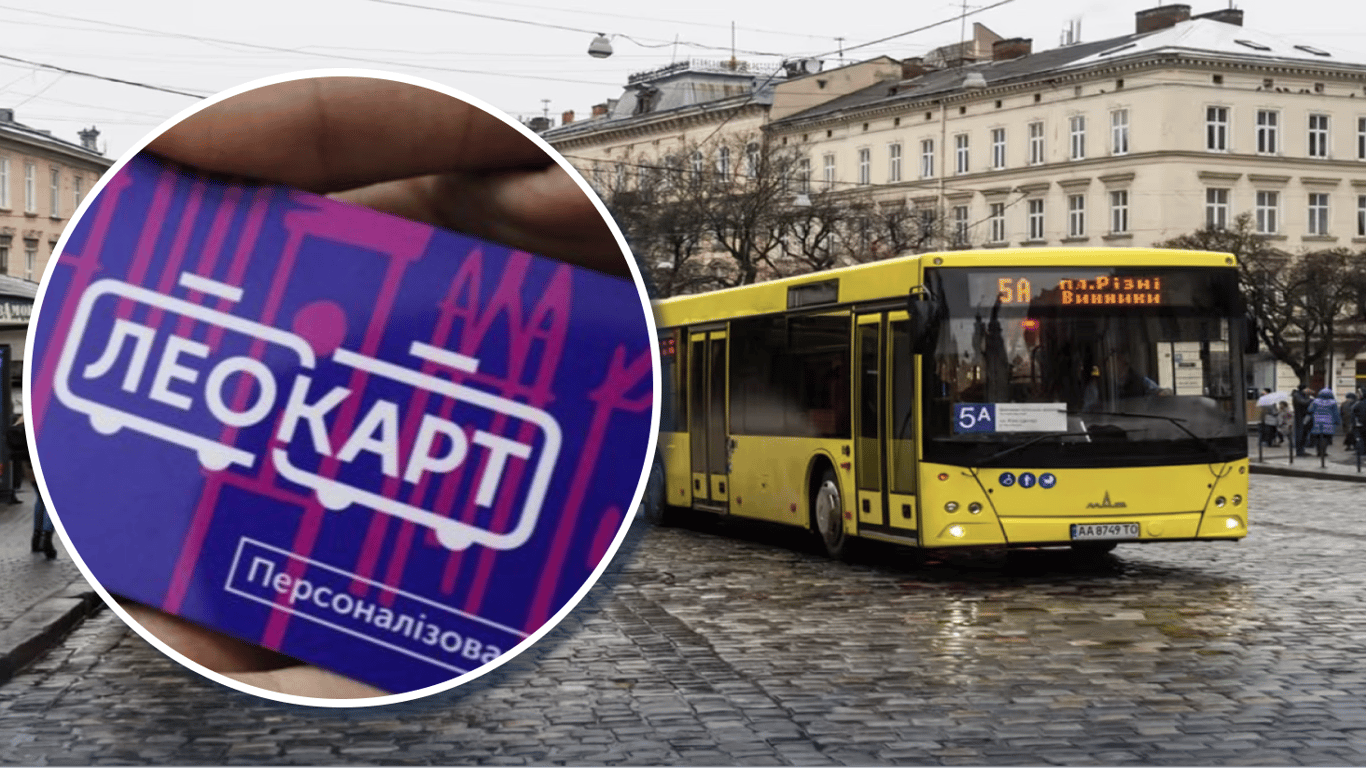
A single cash fare on Lviv's public transport costs 25 hryvnias. Using a 'LeoCard' reduces the fare to 17 hryvnias, while payment via bank card or NFC offers a further discount to 20 hryvnias. The penalty for riding without a valid ticket is 400 hryvnias.
Changes to 'LeoCard': The cost to issue a new preferential 'LeoCard' for newly eligible resident categories will be 60 hryvnias. This adjustment is part of an effort to adapt the system to better serve the population's needs.
Upcoming National Changes in March
Other changes expected across Ukraine in March include a scheduled pension indexation starting March 1. Furthermore, older series hryvnia banknotes—specifically the 1, 2, 5, and 10 hryvnia notes from the 2003-2007 period—will be withdrawn from circulation.
Consequently, Lviv residents can count on stable utility and transport costs in the near term, a significant factor during wartime. These measures form part of a broader state policy aimed at supporting the population through the economic hardships caused by the war. Maintaining stable tariffs helps preserve social stability and ensures the continued affordability of essential services for the city's inhabitants.
Read also
- Brent Crude Surpasses $110 a Barrel: Could Iran Tensions Trigger a Global Energy Crisis?
- Ukraine Strikes Russian Ports: The Cost of a Month-Long Shutdown at Tuapse
- Fuel Shortage in Crimea: Russian Logistics Crippled by Ukrainian Strikes, Says Feigin
- Ukraine’s Strikes Trigger Fuel Crisis as Russia Loses 40% of Oil Refining Capacity
- Ukraine Strikes 42 Russian Vessels in 11 Days as Drone Campaign Intensifies
- Russian Stock Market Crashes Nearly 9% — What This Means for the Economy