Soaring Fuel Prices Across Europe: Which Governments Are Already Taking Action.

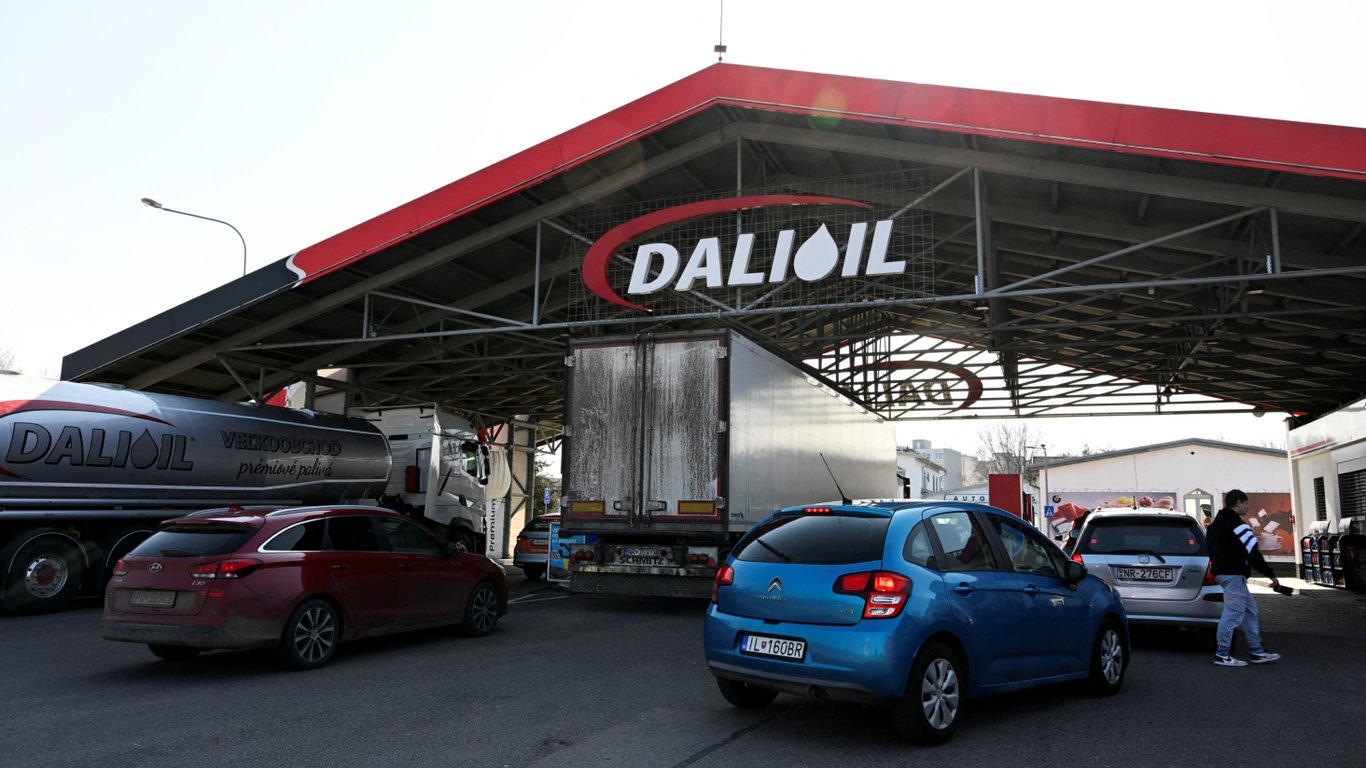
Fuel Price Surge Across Europe
According to Novyny.live: As of March 19, 2023, fuel costs are climbing sharply across Europe, particularly in Germany and Poland. Governments in these nations are rolling out emergency measures to address the problem, which is putting pressure on the region's economic stability. This trend follows months of volatility in global energy markets, with consumers and businesses feeling the pinch at the pump.
In Germany on March 19, 2023, the average price for a liter of Super E10 gasoline hit €2.042, while diesel reached €2.162. This rapid increase has sparked concern among both consumers and business owners, as fuel costs directly drive up the price of goods and services across the country.
A similar pattern is unfolding in Poland. On March 18, 2023, the average gasoline price stood at 6.27 zł per liter, with diesel at 6.91 zł. By the following day, March 19, gasoline had risen to 6.32 zł and diesel to 7.00 zł. These hikes are also being fueled by fluctuations in the crude oil market.
Impact of Global Oil Markets
Global oil market dynamics are a key factor behind Europe's rising fuel prices. On March 19, 2023, Brent crude oil reached $115.10 per barrel. In response to these pressures, several governments are taking steps to cushion the blow. For instance, on March 18, 2023, Austria announced a reduction in taxes on gasoline and diesel by 5 euro cents per liter to ease the financial burden on consumers. Meanwhile, Italy has allocated €417.4 million to lower excise duties on gasoline and diesel through April 7, 2023.
Ultimately, the surge in European fuel prices stems from a mix of domestic and international factors, and governments are implementing measures to mitigate the negative impact on their economies and citizens.
The rising cost of fuel in Germany and Poland highlights the serious economic challenges currently facing European nations.
High energy prices risk fueling inflation, which could erode consumer spending power and overall living standards. While government interventions—such as tax and excise cuts—aim to relieve some of this pressure, their success will hinge on future movements in the global oil market and shifts in consumer behavior. Given the ongoing uncertainty in energy markets, countries may encounter additional hurdles in the months ahead.
Read also
- Global Fuel Markets Shaken as Ukrainian Drones Undermine Russian Control
- Russian Business Owners Are Moving Billions Abroad Amid Fears of Asset Seizure and Forced War Funding
- Former Minister Sobolev Takes on New Role in the President’s Office: What He Will Be Working On
- India Becomes Fuel Supplier to Russia as Diesel Shortage Bites
- Currency Panic Grips Ukraine: Expert Reveals Why People Are Losing Faith in the Hryvnia
- Major Salary Hikes Planned for Ukrainian Rescuers: Here’s What They Could Earn