In Washington, risks of involving AI in the field of nuclear weapons were assessed.

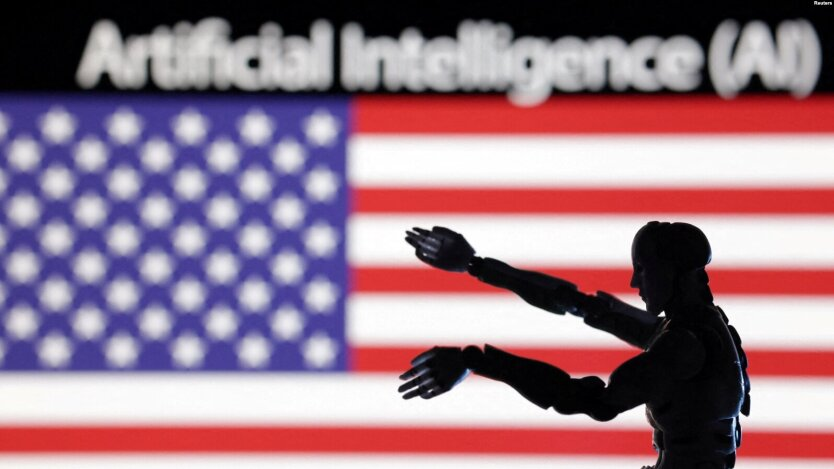
At the Center for Strategic and International Studies (CSIS) in Washington, a discussion was held on the use of artificial intelligence (AI) in nuclear management and control. American scientists are exploring this issue. Proponents of using AI see it as an opportunity to accelerate the decision-making process and complement early warning and intelligence systems. However, there are critics who point to the technical shortcomings of AI and potential unintended consequences. Some experts argue that integrating AI into the nuclear forces management system may increase the risk of accidental escalation and vulnerability to cyberattacks. They also note that AI cannot account for the emotional aspect of using nuclear weapons and may respond inadequately to new conditions. Furthermore, in many cases, there is not enough data for proper training of AI and determining its reactions to real threats. Speaking generally, the speakers expressed that before using AI in the nuclear forces management system, it is necessary to carefully analyze the risks and potential consequences of this step.
Read also
- Rubio and Lavrov Meet in Manila: Prospects for a Ukraine Compromise
- EU Accession and Black Sea Threats Top Agenda in Ukraine-Moldova Talks
- Is Moscow in Range? Russia Bolsters Air Defenses as Ukraine's Missile Program Advances
- Ireland’s Prime Minister Arrives in Kyiv for Talks with Zelenskyy—Here’s What’s on the Agenda
- Ukraine’s Military Leadership Shake-Up: Zelenskyy Appoints Drapatiy as New Commander-in-Chief and Skybyuk as Chief of General Staff
- EU Agrees on 21st Sanctions Package Against Russia: Fresh Curbs Targeting Finance and Energy