Russian Oil Infrastructure Under Fire: Moscow Loses 73% of Export Revenue.

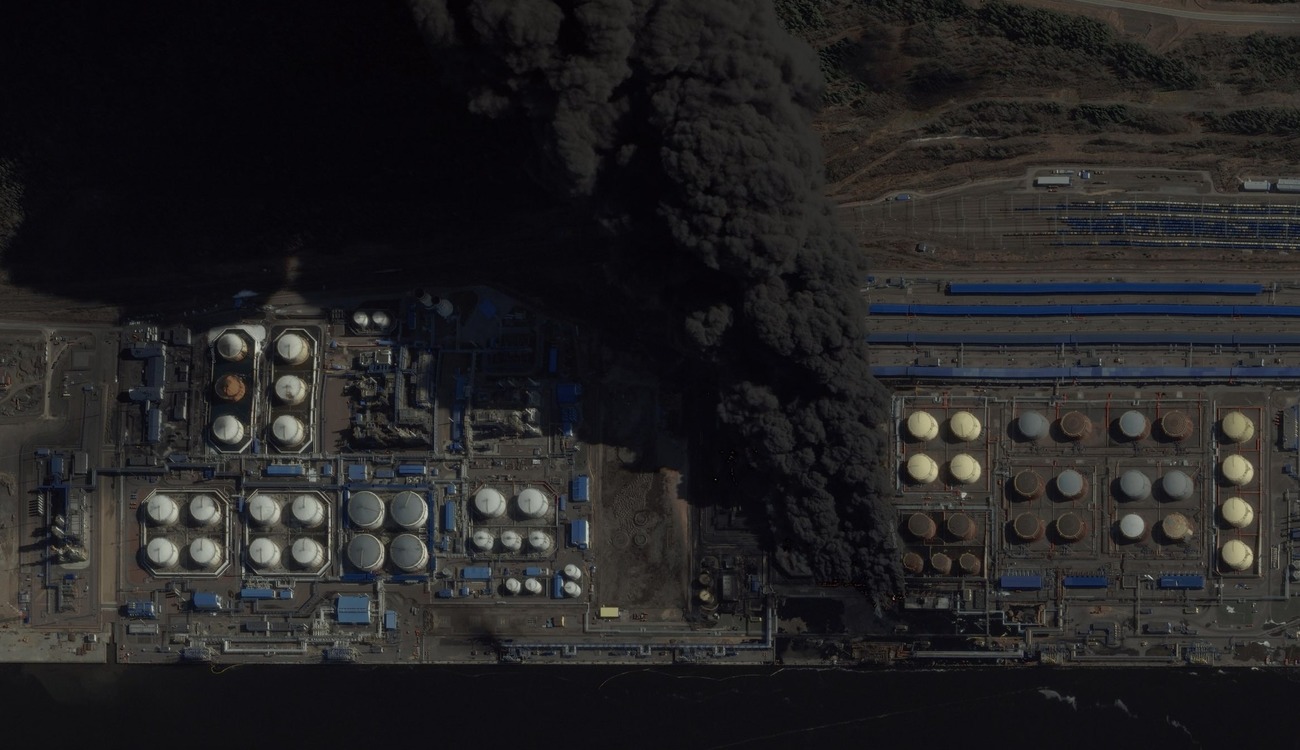
Strikes on Russia's Oil Infrastructure
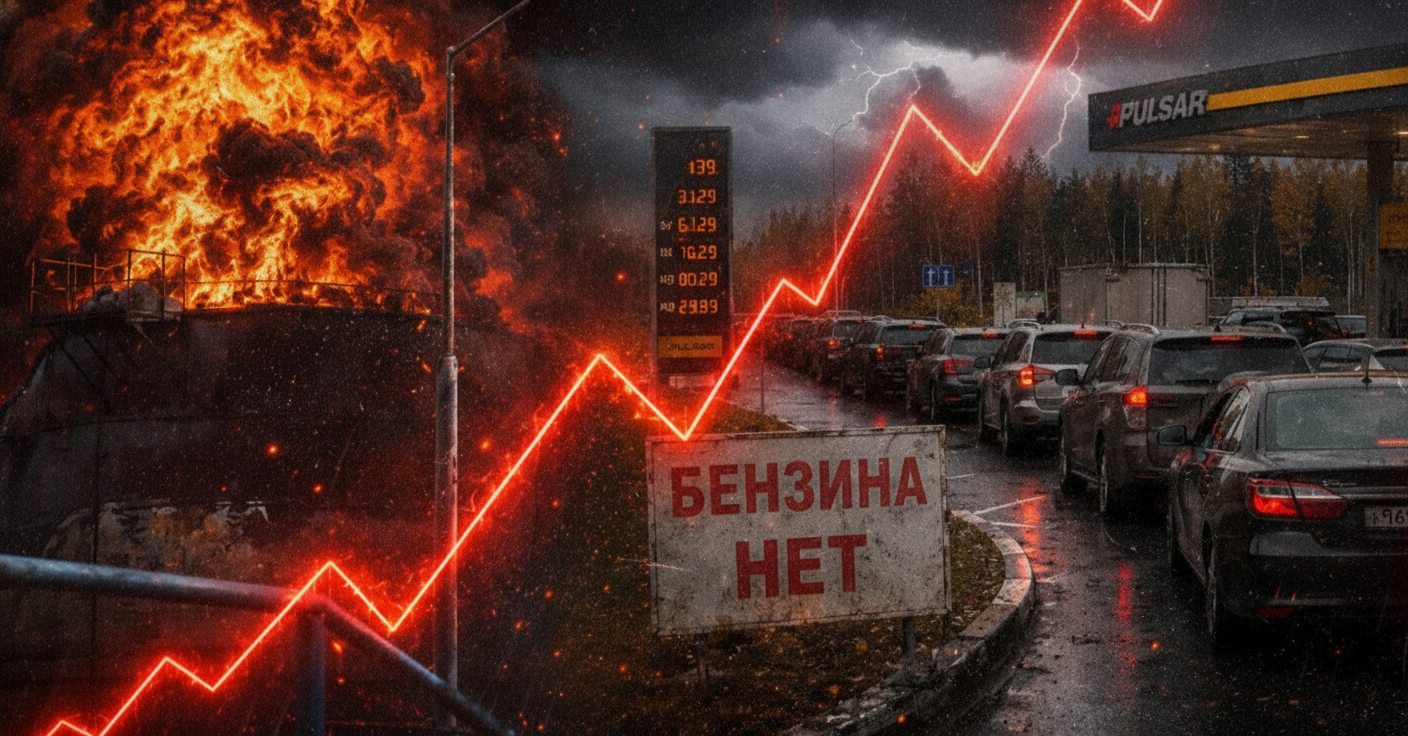
According to UATV: Attacks on oil facilities in Russia's Leningrad region are inflicting severe damage on the country's budget, as oil remains its primary source of income. The two targeted sites account for 35% of Russia's total oil infrastructure, significantly hampering its ability to generate foreign currency from exports.
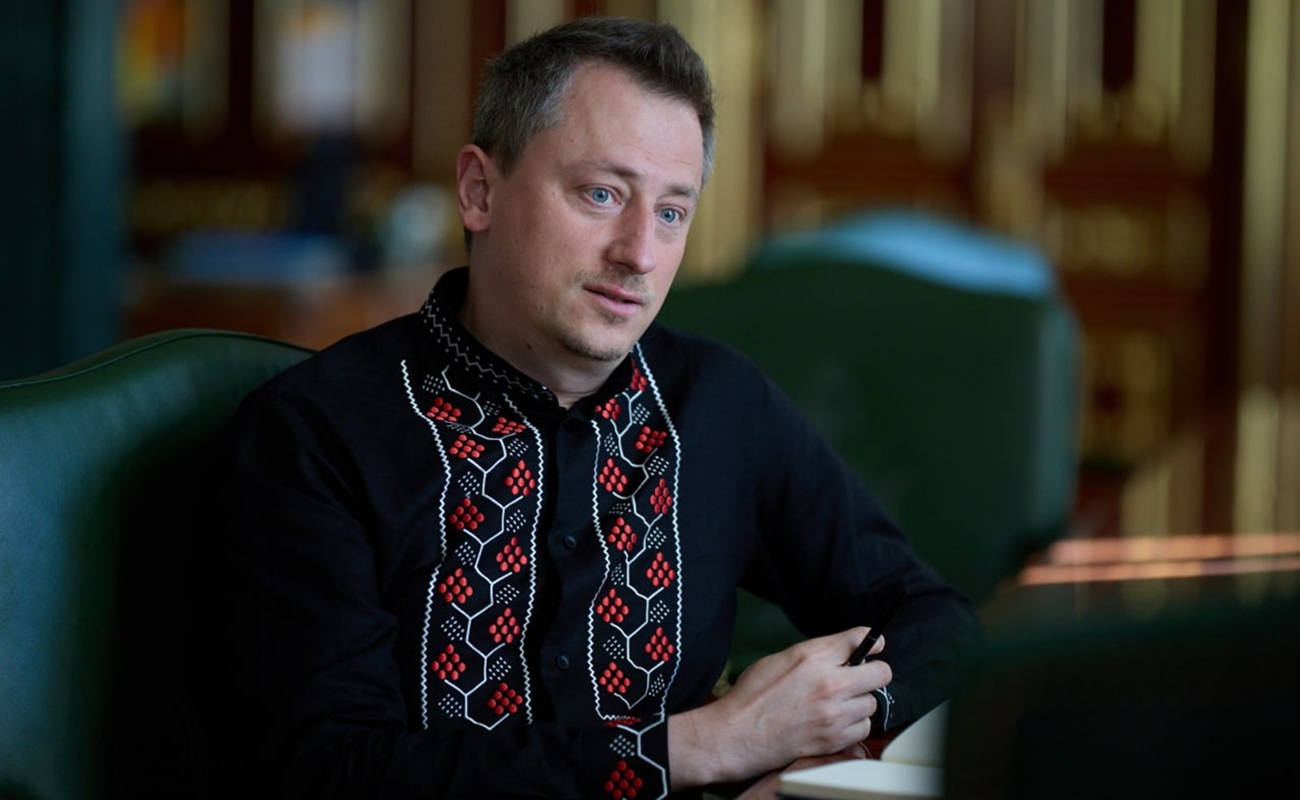
Notably, 70% of Russia's crude oil exports by tanker pass through the Baltic Sea, making these strikes particularly painful for the economy. According to Oleg Pendzin,
“Oil remains the last significant source of foreign currency inflows into the country”, highlighting the critical role of petroleum in funding state expenditures.
Financial Fallout for Russia
Furthermore, net profit at Rosneft plunged by 73% in 2025, landing at 293 billion rubles (approximately $3.6 billion). Oleg Pendzin emphasizes that
“these strikes are extremely sensitive, especially at a time when Russia could be earning very well on export markets”. Such financial losses compound the challenges for Russian authorities, as 'the money Russia currently receives from exports is clearly insufficient to sustain the financing of combat operations'.
As a result, the attacks on oil infrastructure in the Leningrad region could dramatically reshape Russia's economic landscape, reducing its capacity to fund military campaigns and maintain the budget.
These events underscore the vulnerability of Russia's economy, which is heavily dependent on oil exports, and may have far-reaching consequences for state financing. Amid the ongoing war, growing financial strain could force shifts in Russia's military strategy, as resources to support combat operations become increasingly limited. This could alter the regional balance of power and the conflict's overall dynamics.
Read also
- Global Fuel Markets Shaken as Ukrainian Drones Undermine Russian Control
- Russian Business Owners Are Moving Billions Abroad Amid Fears of Asset Seizure and Forced War Funding
- Former Minister Sobolev Takes on New Role in the President’s Office: What He Will Be Working On
- India Becomes Fuel Supplier to Russia as Diesel Shortage Bites
- Currency Panic Grips Ukraine: Expert Reveals Why People Are Losing Faith in the Hryvnia
- Major Salary Hikes Planned for Ukrainian Rescuers: Here’s What They Could Earn