Fuel Shortages and a Food Crisis in Crimea Follow Ukrainian Strikes on Russian Supply Lines.


Crimea’s Growing Supply Crisis
According to UATV: Ukraine’s defense forces are systematically targeting Russian military supply routes in the Luhansk and Donetsk regions, including those running through Crimea. These ongoing attacks have created severe fuel shortages and are deepening a food crisis across the peninsula. The situation is deteriorating rapidly as Ukrainian strikes continue to disrupt logistics.
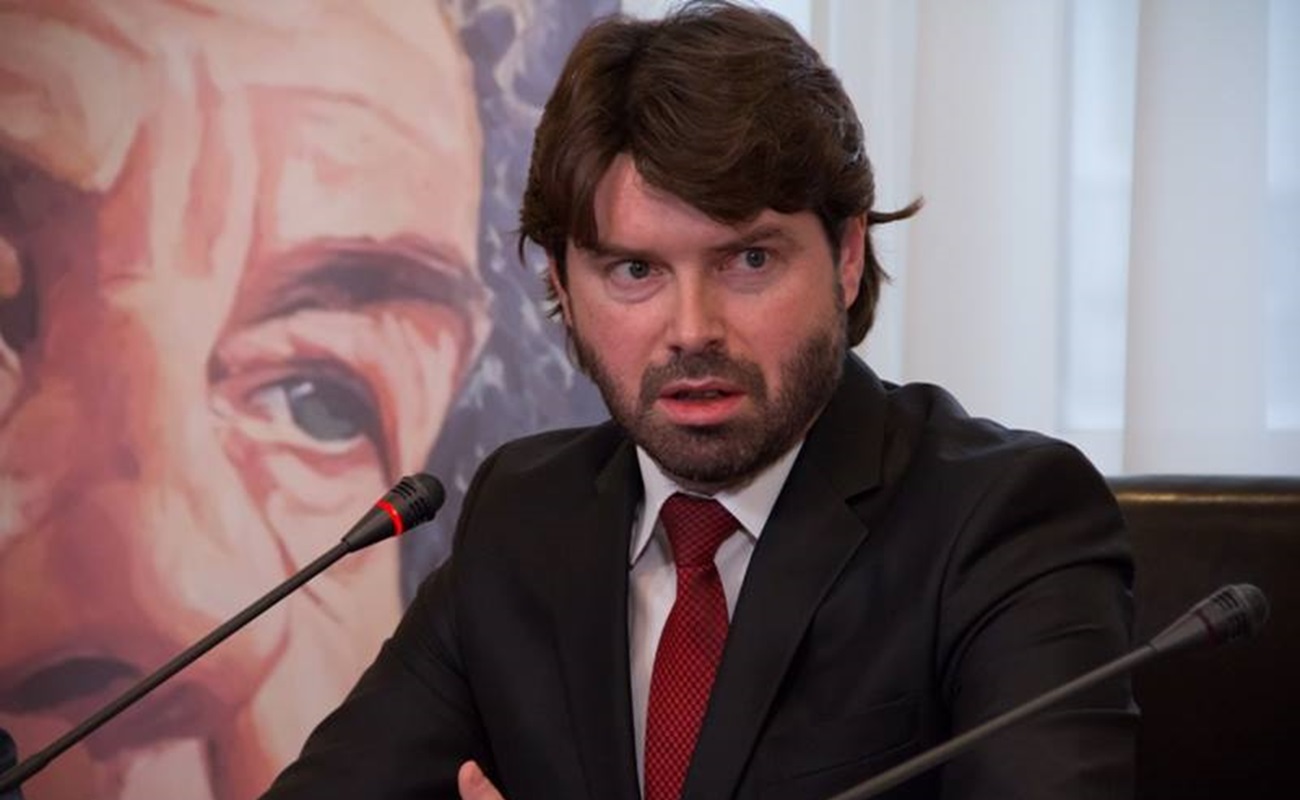
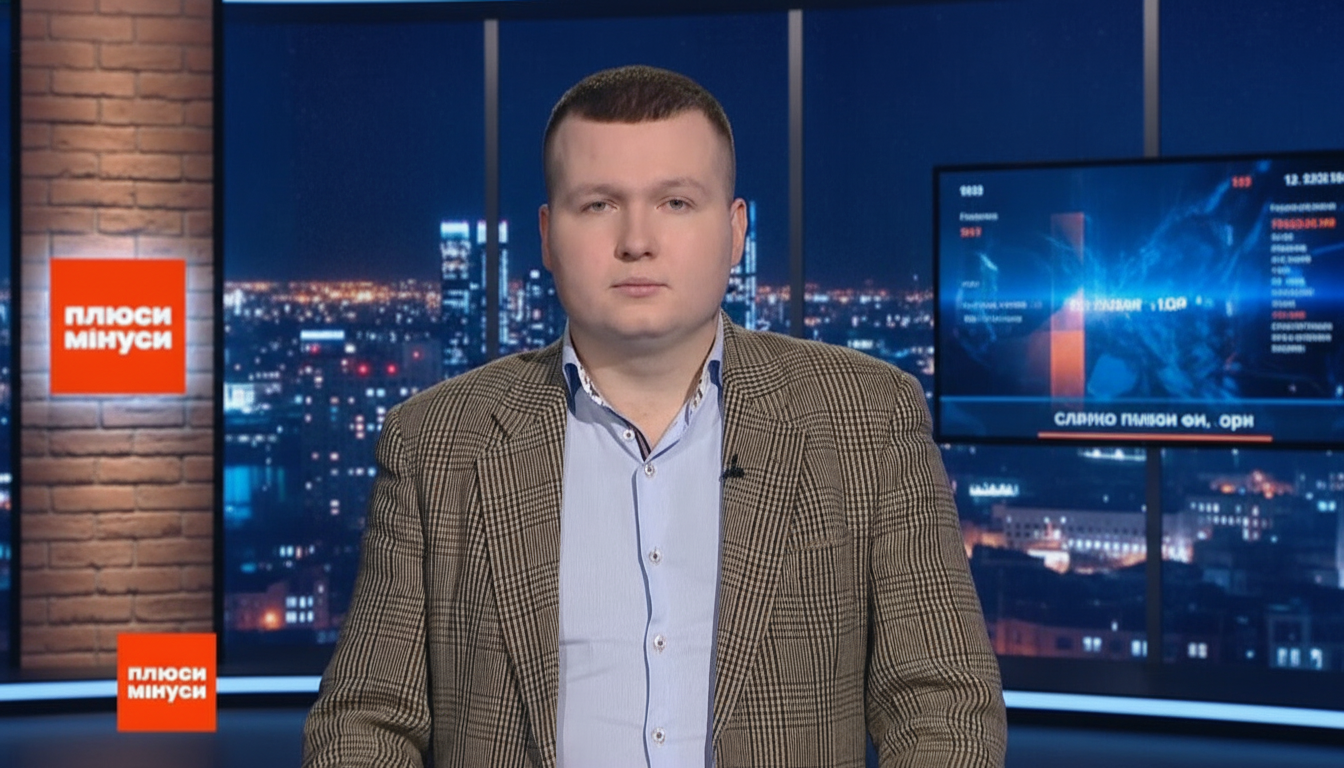
In response, authorities in Crimea have imposed strict limits on fuel sales. This rationing stems from dwindling supplies and has sparked serious concerns about worsening food availability. According to Denys Popovych,
“the fuel shortage has already started to expand and intensify the food crisis”— his remarks underscore the severity of the challenges now facing local residents.
Logistics Breakdown and New Restrictions
Compounding the problem, the port of Mariupol has suffered critical damage, further hampering regional logistics. The Kerch Bridge remains the only supply corridor, but freight traffic across it has been banned, making the situation even more difficult. Two additional strikes have hit the Chongar Bridge, highlighting a deliberate strategy to disable key transport links.
Train movements across Crimea are also prohibited during nighttime hours, which further limits the delivery of essential goods.
“We are systematically closing off logistics into Crimea, sealing it shut”— Popovych stated, emphasizing efforts to block Russian military supply channels.
The situation in Crimea and surrounding areas remains tense, with fuel and food supply problems growing more acute. As military operations in Ukraine continue, their impact is felt not only on the front lines but also among civilians enduring mounting economic hardship.
These developments reflect the ongoing intensity of the conflict in Ukraine and its ripple effects on civilian life, especially in Crimea, where fuel and food supplies are reaching a critical point. Fuel sale restrictions and the ban on cargo movement underscore the severity of a crisis that could have long-term consequences for the region and its people. Amid a protracted war, such conditions risk worsening the humanitarian situation, demanding attention from the international community.
Read also
- Russia’s Oil and Gas Revenue Set to Surge by 60%—Here’s What’s Driving the Jump
- IMF Disburses $690 Million Second Tranche to Ukraine: Where the Funds Are Going
- Russia’s Budget Deficit Could Hit 7 Trillion Rubles—What Are the Default Risks?
- Expert Sets Critical Threshold: 60% of Russia's Oil Refining Capacity Must Be Destroyed
- Russia Faces Imminent Fuel Crisis: Why Refinery Recovery Is Nearly Impossible, Expert Warns
- Economist identifies Russia's point of no return: why it can never reclaim its place among global economic leaders