Hungary Blocks Ukraine's Next EU Membership Negotiation Rounds, Expert Calls It Blackmail.

Ukraine's Stalled EU Negotiation Clusters
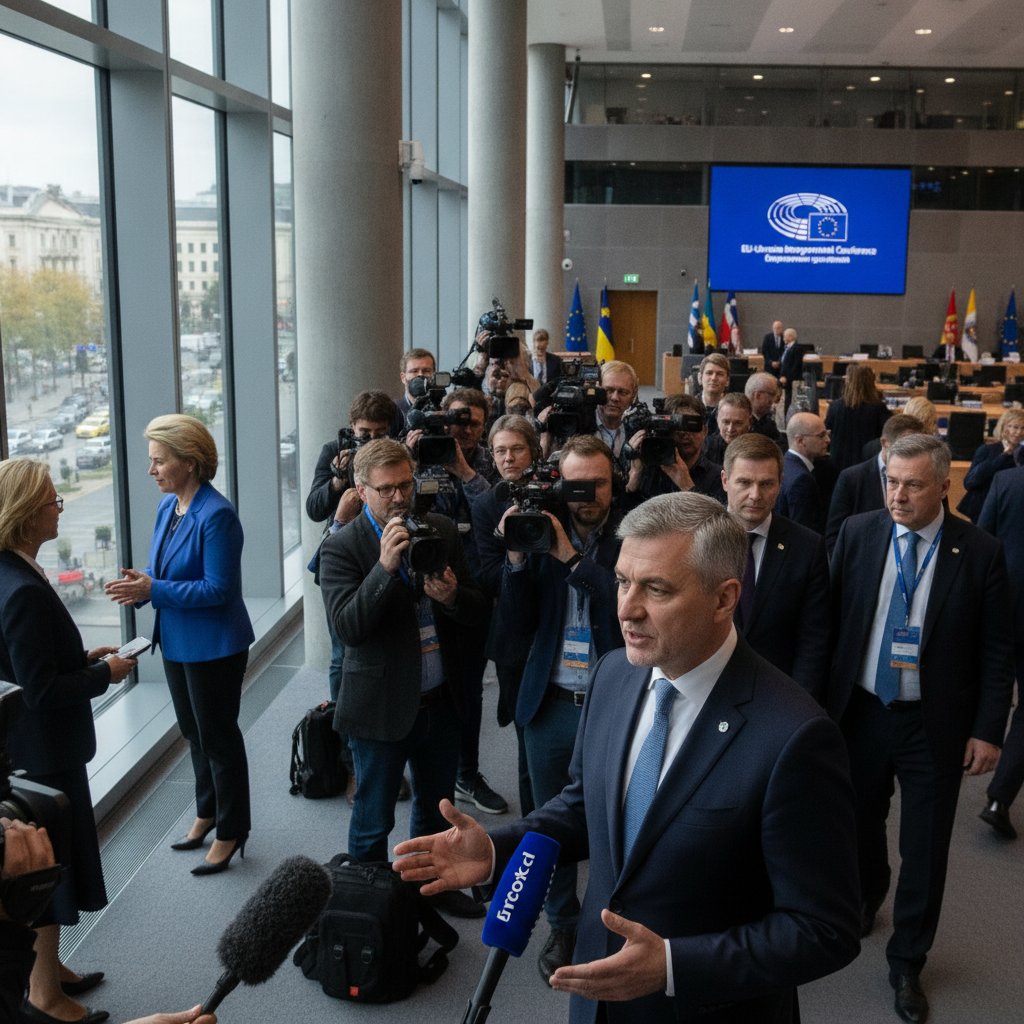
According to Espreso.tv: Ihor Stokoz, executive director of the NGO 'Euroatlantic Course,' has described Hungary's move to block the opening of additional negotiation clusters for Ukraine as political blackmail. Because the EU's enlargement process requires unanimous consent from all member states, a single country like Hungary can stall progress. Although Ukraine and Moldova are both engaged in accession talks, their advancement has become complicated due to Hungary's position and EU demands.
Diplomatic efforts intensified on June 8 when EU enlargement commissioner Marta Kos arrived in Kyiv. On June 12, European Commission President Ursula von der Leyen announced that all EU member states had unanimously agreed to open the first negotiation cluster, called 'Fundamentals.' This marked a key milestone in Ukraine's European integration. An intergovernmental conference on June 15 formally launched negotiations within this initial cluster.
Blocking Further Clusters
Despite these positive steps, Hungary has blocked approval of the screening results needed to open the second and third negotiation clusters. Stokoz emphasized:
“The decision to block the approval of screening results for opening the second and third negotiation clusters is not about technical remarks at all. In my view, this is ultimately political blackmail.”
He also noted that the Hungarian government publicly puts forward speculative arguments, claiming that opening new clusters for Ukraine would be premature and could send the wrong signal to Western Balkan countries. The decision on the remaining clusters has been postponed until September, raising concerns over the future pace of the negotiation process.
This situation underscores the complexity of EU enlargement, where political factors can impede progress. Hungary's position—cited as the reason for the delay—may reflect regional tensions and a desire to protect national interests within the context of EU expansion. Observing the upcoming talks in September will be crucial to gauge Ukraine's prospects on its European path.
Read also
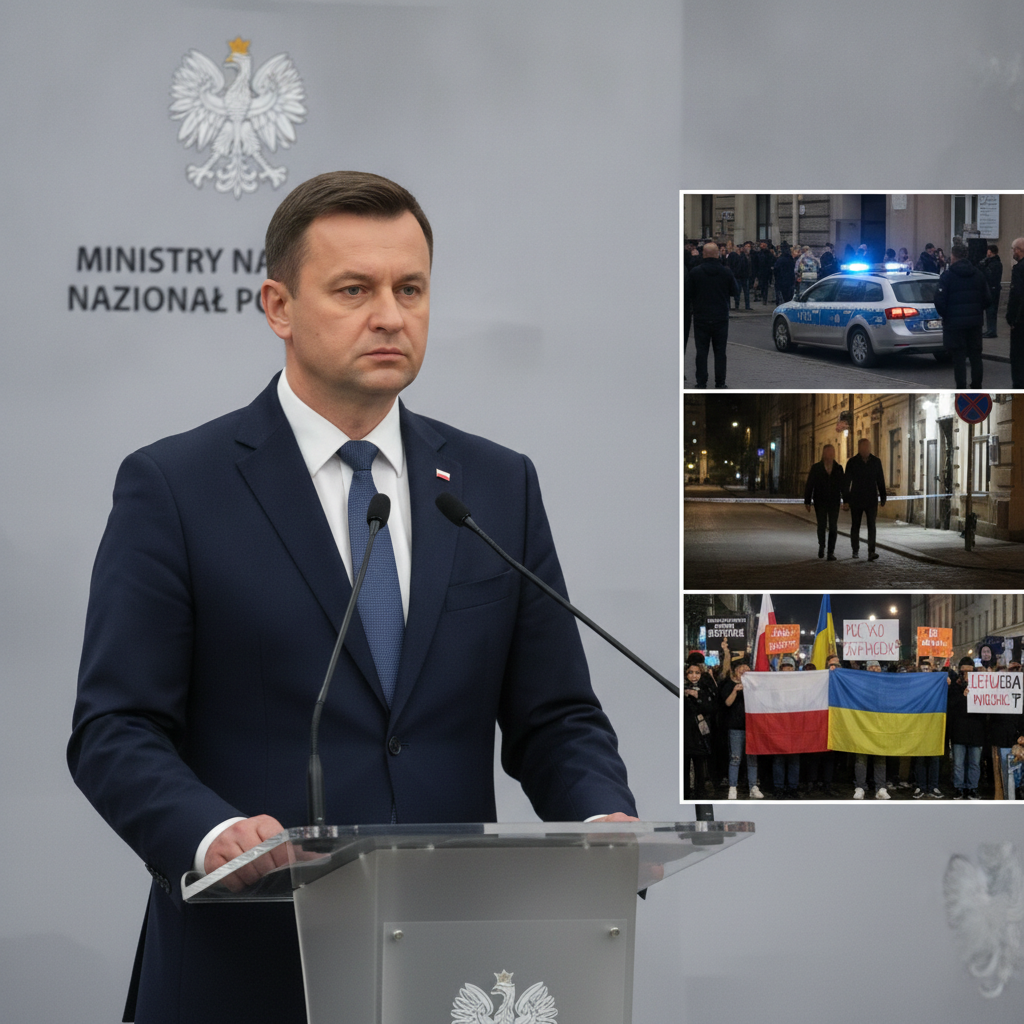
- Polish Defense Minister Declares EU Membership Impossible for Ukraine as Long as Bandera Adorns Its Banner
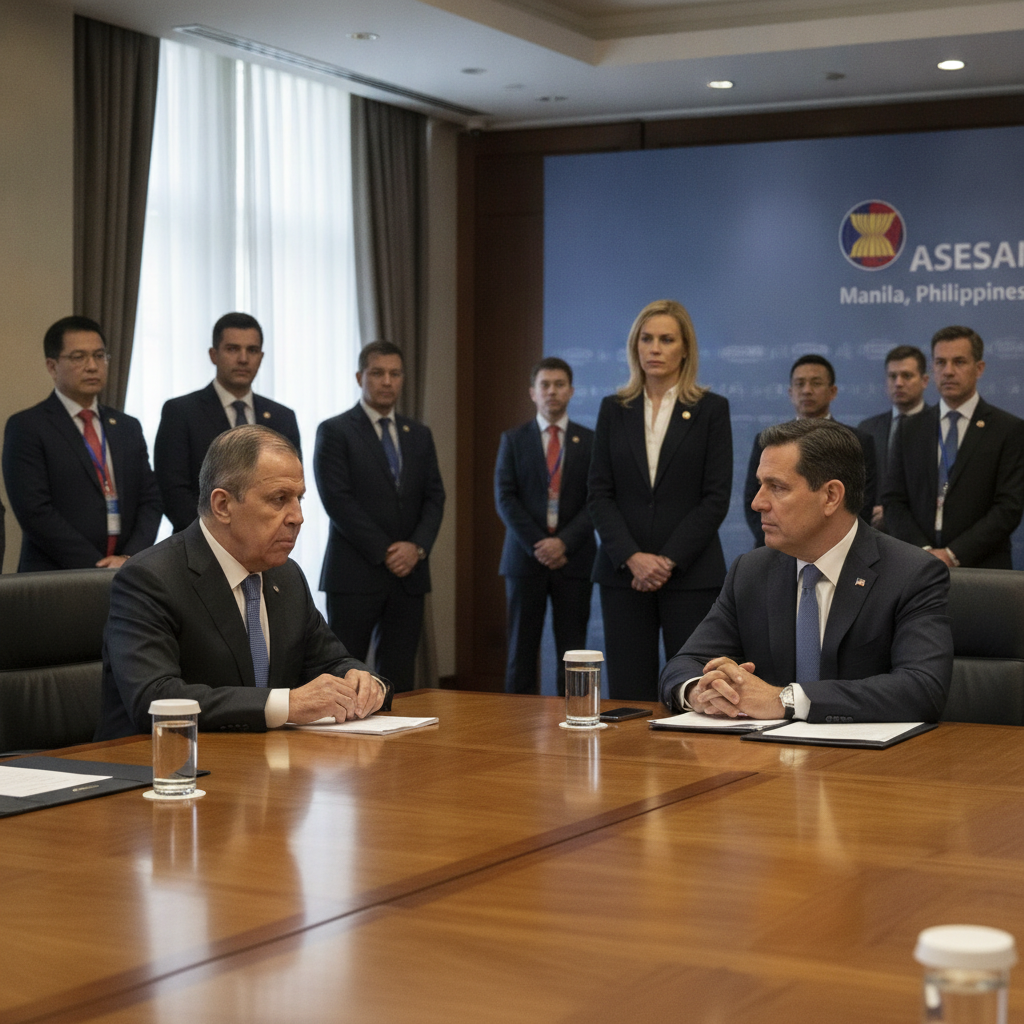
- Zakharova Comments on Manila Meeting: Moscow Signals Openness to Diplomatic Resolution
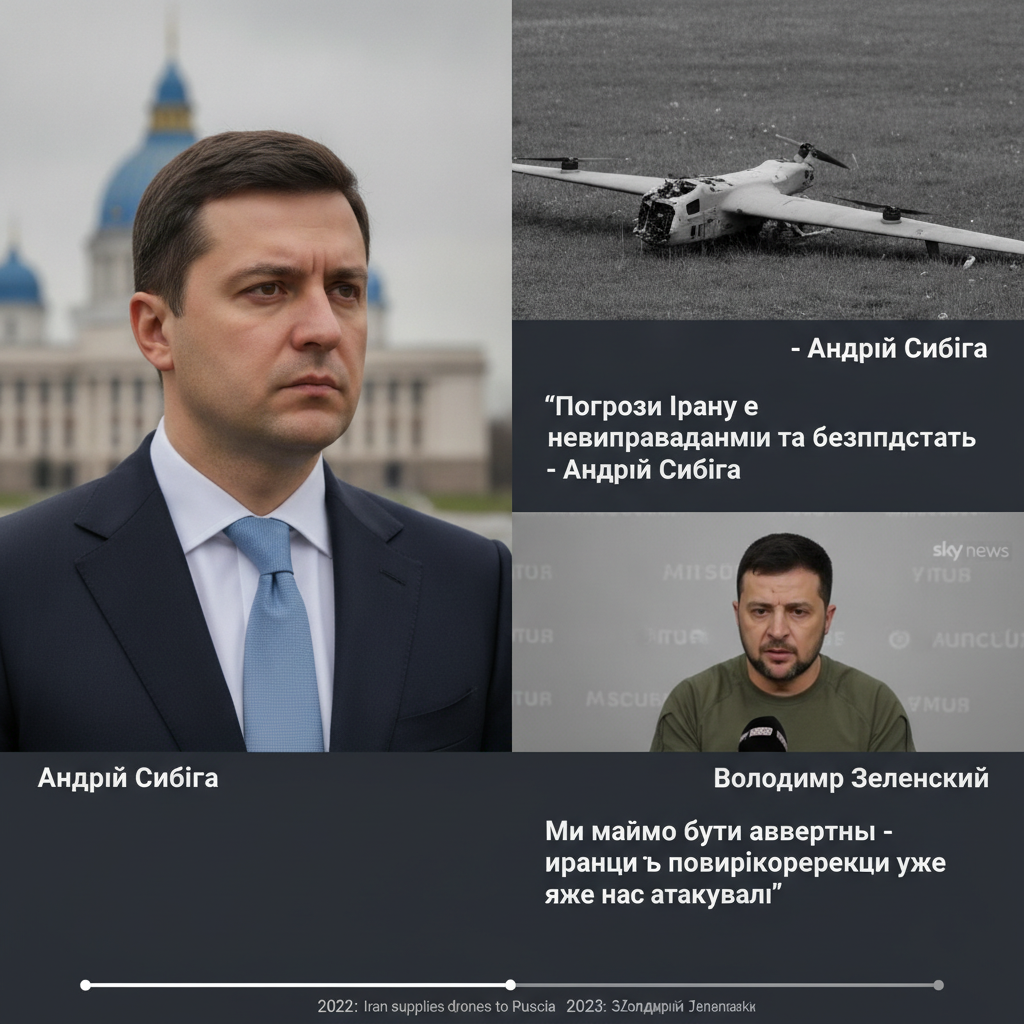
- Threats from Iran Against Ukraine Called Baseless by Foreign Minister Sybiha
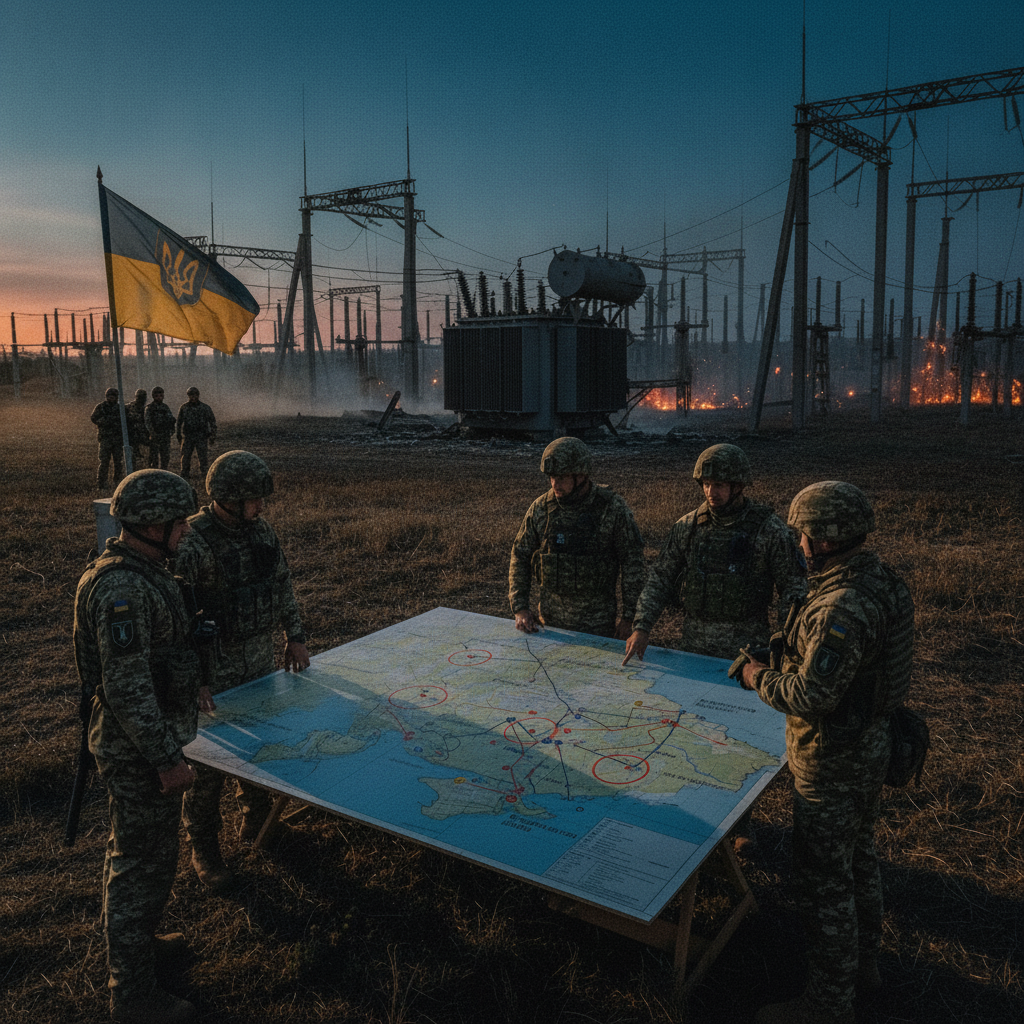
- 136 Power Infrastructure Targets Struck in Crimea: The 'Switch Off' Campaign
- Details Emerge on Occupiers' Plan to Hand Over Land as 'Veteran Support' – A Strategy for Consolidation?
- Kosiniak-Kamysz Reaffirms Ukraine Support Priority as PiS Party Splits