Ukraine will switch to winter time again on October 26: why this issue remains unresolved.

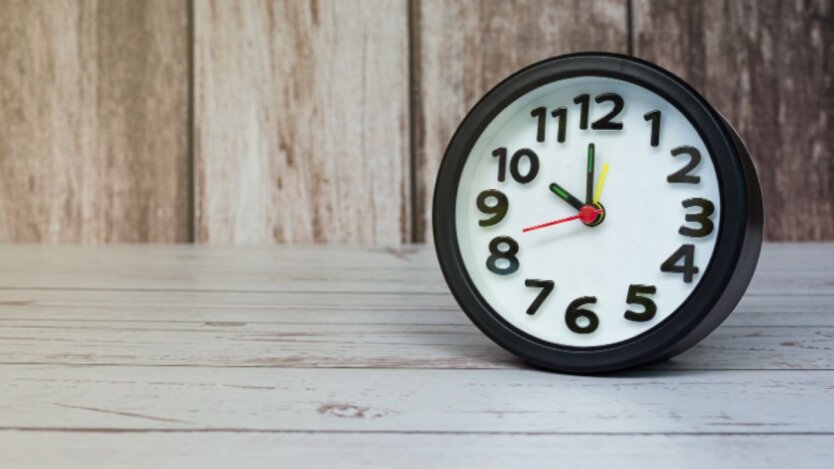
Despite Ukrainians' hopes to permanently end seasonal clock changes, this autumn it will be necessary to adjust the time again. The final decision to abandon this practice remains an open question, although the global trend is moving towards rejecting this tradition.
History of Clock Changes
According to inkorr.com: The idea of clock changes first emerged from Benjamin Franklin in 1784. Subsequently, this practice became popular in many countries, notably in Germany, where it was introduced during World War I.
In Ukraine, clock changes began in 1981 to save energy and extend daylight hours.
Situation in Ukraine
Last year, the Ukrainian parliament passed a draft bill to abolish seasonal transitions between summer and winter time, but the president did not sign it. Thus, on October 26, 2025, Ukrainians will again set their clocks to winter time.
Global data indicates that only 29% of countries around the world implement clock changes, and Ukraine remains among those states that practice this.
Impact on Health
Studies have shown varying effects of clock changes on health. For example, the transition to summer time may increase the risk of heart attacks by 10%, while the switch to winter time decreases it by the same amount. There are also studies confirming the positive impact of clock changes on overall mortality at different times of the year.
Discussion in Europe
Discussions are ongoing in Europe regarding the abolition of clock changes, but specific decisions have not yet been made. European parliamentarians are drawing attention to the negative impact of this practice on citizens' health and are calling for changes in the transition system.
In Ukrainian society, the issue of clock changes and its impact on the health of the population continues to be discussed. Although a final decision has not yet been made, existing studies indicate significant consequences that may affect people's physical well-being and the overall rhythm of life in the country.
Read also
- Ukraine Launches Free AI-Powered Job Platform: What This Means for Job Seekers
- Facing Diesel Shortages, Russia Bans Exports and Turns to Imports for the First Time
- Kyrgyzstan Scrambles for Fuel as China and Belarus Step In to Replace Russia
- UDP Leadership Accused of Asset Theft: Losses Hit $7 Million
- Russia Faces Fuel Crisis: Putin Admits Shortages as Moscow Prepares to Import Petroleum Products
- Half a Million Bankruptcies in One Year: Russia’s Economy on the Brink of Collapse