Chief Surgeon of the Armed Forces of Ukraine on Changes in Military Injuries: What Now Poses the Greatest Threat.

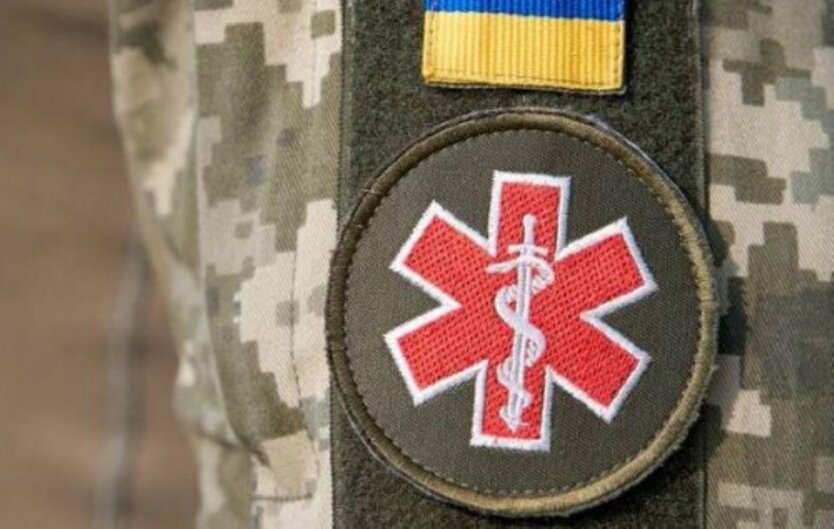
Changes in the Nature of Injuries to Ukrainian Defenders
According to inkorr.com: Recently, Ukrainian soldiers have been receiving significantly more severe injuries due to the advanced firearms used by the enemy. Today, 81.3% of the injured have shrapnel wounds, while 18.7% have suffered gunshot wounds.
Combat injuries are becoming more complex, often involving multiple body parts simultaneously. The primary source of such injuries is various types of drones.
The most dangerous factor remains hemorrhaging, which is the leading cause of death on the battlefield. If a large artery is not stopped within a few minutes, the chances of survival decrease drastically.
According to statistics, 80% of the injured require urgent surgical assistance to stop the bleeding. Among them, 70% have injuries to the major arteries of the lower extremities, while 30% have injuries to the upper extremities.
Ukrainian doctors are implementing new treatment methods, including thoracoscopy for heart injuries, laparoscopic surgeries, and the use of stapling devices for suturing tissues.
The use of modern technologies in military medicine will increase the chances of saving injured soldiers.
Colonel of the Medical Service Kostiantyn Humenyuk noted that Ukrainian soldiers are sustaining more serious and complicated injuries due to the conflict in the eastern part of the country as a result of the use of modern Russian firearms. These new combat injuries, which often include multiple damages to different parts of the body, present new challenges for medics. However, the introduction of modern treatment methods and technologies allows for an increased chance of saving wounded fighters and improving their subsequent rehabilitation.
The relevance of this topic emphasizes the severity of the situation at the front and the need for constant improvement of medical practices. The challenges faced by Ukrainian medics require not only new knowledge but also a rapid response to modern threats. Proper treatment of the wounded can significantly impact their recovery and return to service.
Read also
- How Top Officials Are Lobbying for Weapons—and Why Ukraine’s Law Enforcement Is Stalling the Market
- Nuclear Deterrence Talks Heat Up in Europe as France and Poland Launch Consultations
- Turkey’s S-400s Trigger Alarm Among US Senators: NATO Summit Outcome Revealed
- Ukraine Raises Conscription Age to 60: Journalist Vitaly Portnikov Breaks Down the Fallout
- Baltic States Protest Moscow Over Airspace Disinformation
- Two Paths for Russia: Eliminating Putin or Continuing the War, Says Russian Analyst