Ukrzaliznytsia Adjusts Train Schedules in Response to Russian Shelling: February 25 Timetable.

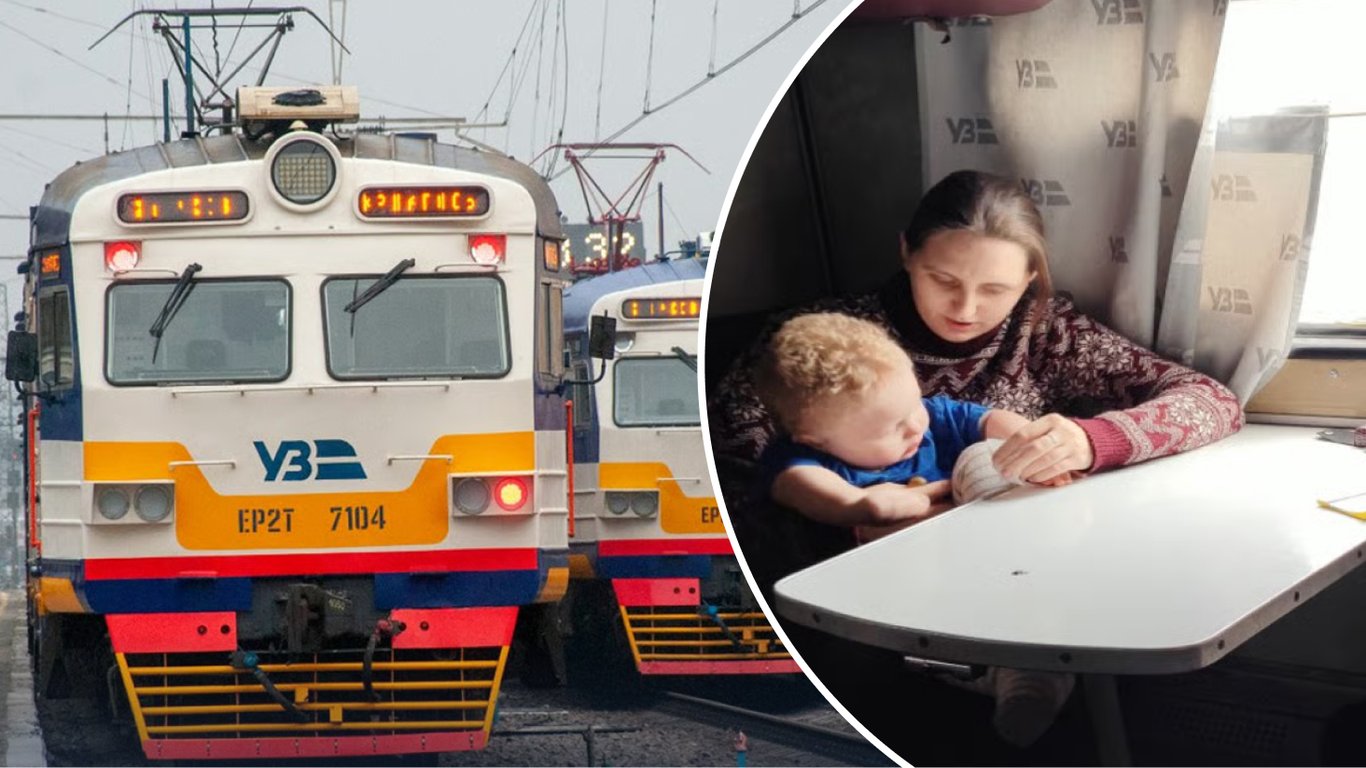
Ukrzaliznytsia Announces Alterations to Train Schedules
According to Novyny.live: Due to ongoing Russian shelling, Ukrzaliznytsia has been forced to modify its train schedules. As of February 25, services in the Kherson region are being operated with the current security situation in mind. Trains continue to run in the Sumy region, though specific schedule adjustments may occur at short notice.
The railway section from Lozova to Kramatorsk remains a high-risk zone, and consequently, train services on this route are suspended. To maintain passenger transport, bus services are operating from Lozova in the direction of Kramatorsk. Additionally, bus transfers are being provided for connections between Dnipro and Zaporizhzhia.
Funding and Passenger Safety Measures
A key development is the Cabinet of Ministers' decision to launch an experimental compensation mechanism for Ukrzaliznytsia. The state has allocated UAH 16 billion for passenger transport services in 2026. This funding is intended to improve transportation conditions amidst the unstable security environment. These adjustments are part of a broader effort to maintain critical infrastructure during the ongoing conflict.
Limited service to and from Dnipro-Holovnyi station currently applies to the following trains:
- #86/85 Lviv — Zaporizhzhia — Lviv
- #128/127 Lviv — Zaporizhzhia — Lviv
- #6 Yasinya — Zaporizhzhia
- #40/39 Solotvyno — Zaporizhzhia — Solotvyno
All these changes are aimed at ensuring passenger safety and adapting to the difficult circumstances in the country.
The schedule modifications by Ukrzaliznytsia are a direct response to the heightened security risks across Ukraine resulting from military actions.
Authorities are striving to balance the provision of essential transport services with the protection of passengers, a critical challenge under current conditions. The introduction of the state compensation mechanism also signals the government's intent to support the national railway system, which remains a vital lifeline for mobility and supply chains during the war.
Read also
- Kramatorsk Night Strike Kills 2, Injures 10 in Aerial Bomb Attack
- Drone Strike Hits Mykolaiv, Damaging Two Gas Stations
- July 20 Attack on Odesa Leaves Four Dead; City Declares Day of Mourning for July 21
- July 20 Missile Strike on Odesa: Women and a Young Child Among the Wounded
- Russian Strikes Across Four Ukrainian Regions Leave Dead and Wounded
- Massive Drone Attack Hits Crimea and Moscow: Explosions, Power Outages, and a Major Fire